When it comes to staying active, age is never the final whistle. In fact, for older adults, the right kind of movement can feel like a comeback story for the ages: stronger legs, steadier steps, looser joints, and a whole lot more confidence day by day. The best part? Staying active does not have to feel like a grind. It can be joyful, social, and genuinely fun.
1. Walking with purpose
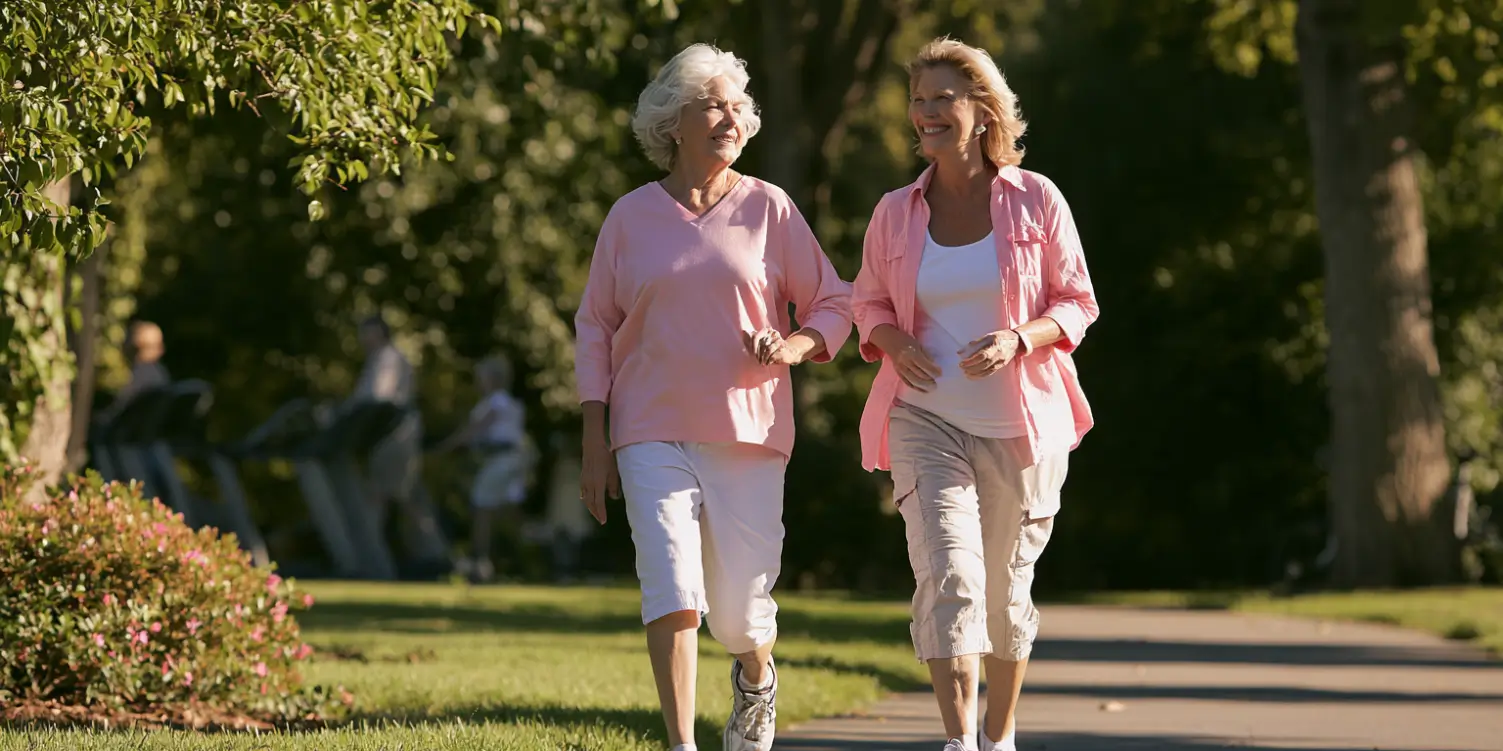
Walking is the classic crowd favorite for a reason. It is simple, accessible, and easy to adjust to any fitness level. A daily walk around the neighborhood, through a park, or even inside a mall can help support heart health, balance, and mobility. Add in a friend, a pet, or a favorite podcast, and suddenly it feels less like exercise and more like a game plan you actually want to keep.
Why it works: Walking strengthens the legs, keeps the joints moving, and helps older adults maintain independence. Even short walks can make a big difference when done consistently.
2. Chair yoga
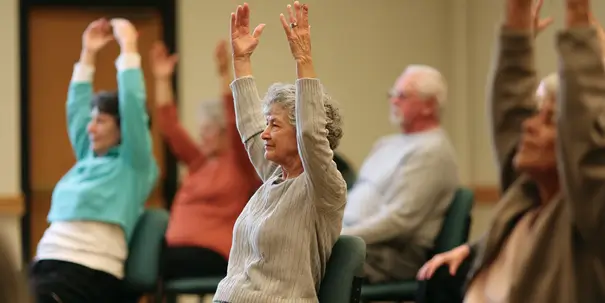
Chair yoga is a brilliant option for older adults who want the benefits of stretching and mindful movement without needing to get down on the floor. Using a sturdy chair for support, participants can work through gentle poses that improve flexibility, posture, and balance.
Fan favorite perk: It brings calm to the body and mind. The breathing, the stretching, the steady rhythm — it is like a timeout for stress and stiffness.
3. Water aerobics
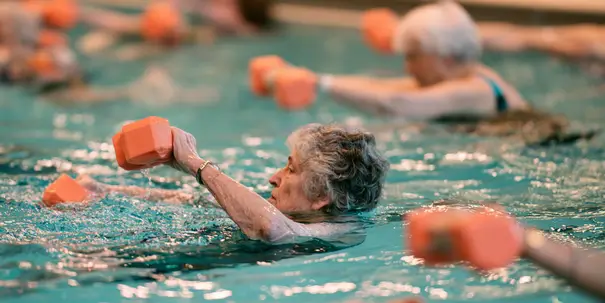
If joints could vote, they would probably choose water aerobics every time. The buoyancy of the pool reduces impact while still allowing for a full-body workout. From leg lifts to arm movements and light cardio routines, water exercise helps build strength and endurance without putting too much pressure on the body.
Why older adults love it: It is refreshing, low-impact, and often done in a group setting that brings energy and encouragement. It is fitness with a splash of fun.
4. Dancing
Put on a favorite song and let the feet do the talking. Dancing is one of the most enjoyable ways to improve coordination, balance, and mobility. Whether it is ballroom, line dancing, or simply moving around the living room, dance keeps the body engaged and the spirit lifted.
Bonus point: Music can turn movement into celebration. And when a routine feels like a party, it is easier to stay committed. That is a win every coach would respect.
5. Gardening
Gardening may not always look like exercise, but anyone who has spent an afternoon planting, weeding, or carrying pots knows it keeps the body working. It encourages bending, reaching, squatting, and walking — all great for mobility and functional strength.
Why it matters: Gardening also gives older adults a sense of purpose and pride. Watching flowers bloom or vegetables grow brings the kind of satisfaction that never goes out of style.
6. Tai chi
Tai chi is a gentle, flowing practice that focuses on slow movements, balance, and controlled breathing. It is especially valuable for older adults because it supports stability and body awareness while being easy on the joints.
What makes it special: Tai chi feels almost like a moving meditation. Each motion is deliberate, smooth, and grounded — perfect for building confidence in everyday movement.
7. Light strength training
Strength training is not just for the young and the fearless. Older adults can benefit greatly from using light dumbbells, resistance bands, or even bodyweight exercises to maintain muscle mass and support bone health. Strong muscles help with everyday tasks like climbing stairs, carrying groceries, and standing up from a chair.
Keep it safe: Start small, focus on form, and choose exercises that feel manageable. The goal is steady progress, not an all-out championship performance.
Making movement part of the routine
The real secret to staying active is finding activities that feel enjoyable enough to repeat. That might mean trying a few different options until something clicks. Some days call for a peaceful walk; other days might call for music, laughter, or a group class full of friendly faces.
Older adults do not need to chase intensity to see benefits. Consistency, comfort, and enjoyment are the real MVPs. With the right activities, movement becomes less of a chore and more of a daily victory lap — one that supports balance, mobility, and a better quality of life.