When you’ve spent enough years around competitive sports, you learn something the hard way: the smartest athletes are rarely the ones who go hardest every day. They’re the ones who know how to keep moving without beating up their joints, their backs, or their recovery. That lesson matters even more after 60, when staying active should feel sustainable, not punishing.
The good news is that low-impact sports can still deliver the full package — better cardio, stronger muscles, sharper balance, and that all-important locker-room benefit: staying connected to other people. I’ve seen plenty of former players, weekend warriors, and late starters rebuild their energy by choosing activities that respect the body instead of arguing with it.
1. Swimming
Swimming is one of the best all-around choices because water takes the load off your joints while still making your body work. You’re getting resistance from every direction, which means your shoulders, core, hips, and legs are all involved. From an athlete’s standpoint, it’s a great conditioning tool because you can push the pace without the pounding.
If you’re new to it, don’t worry about looking polished. A steady breaststroke or backstroke session can be enough to improve endurance. The key is consistency. Even 20 to 30 minutes a few times a week can make a real difference.
2. Walking Soccer
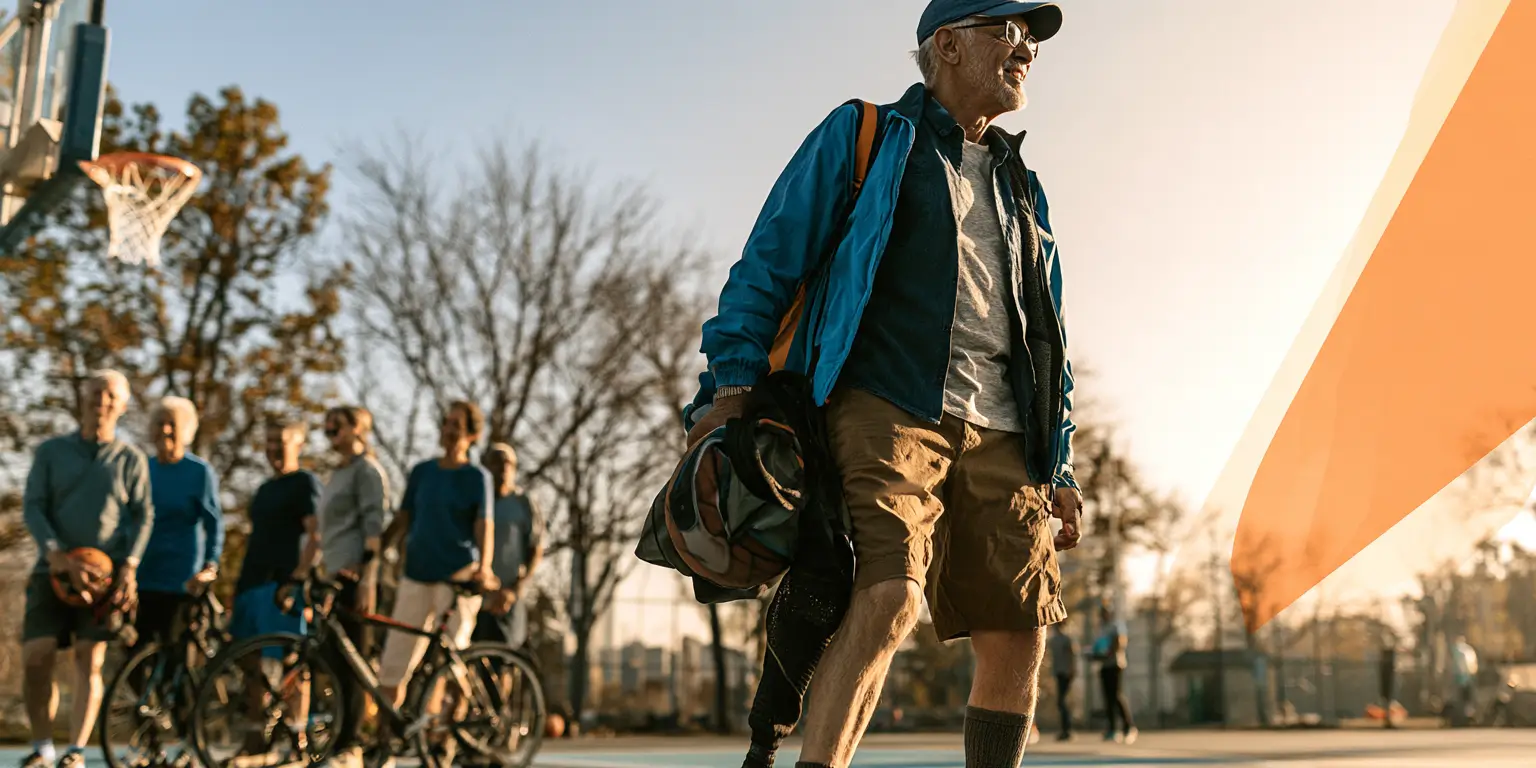
Walking soccer has become popular for a reason: it keeps the competitive spirit alive without the sprinting, collisions, or stop-start stress that can wear older bodies down. The rules are simple — no running, limited contact, and a focus on control and positioning. That changes the game completely.
What makes it valuable isn’t just the exercise. It’s the teamwork, the communication, and the old-school camaraderie. I’ve always said that sport is part fitness and part social glue, and walking soccer delivers both. It’s also a smart way to keep reading the field, making decisions, and staying mentally sharp.
3. Cycling
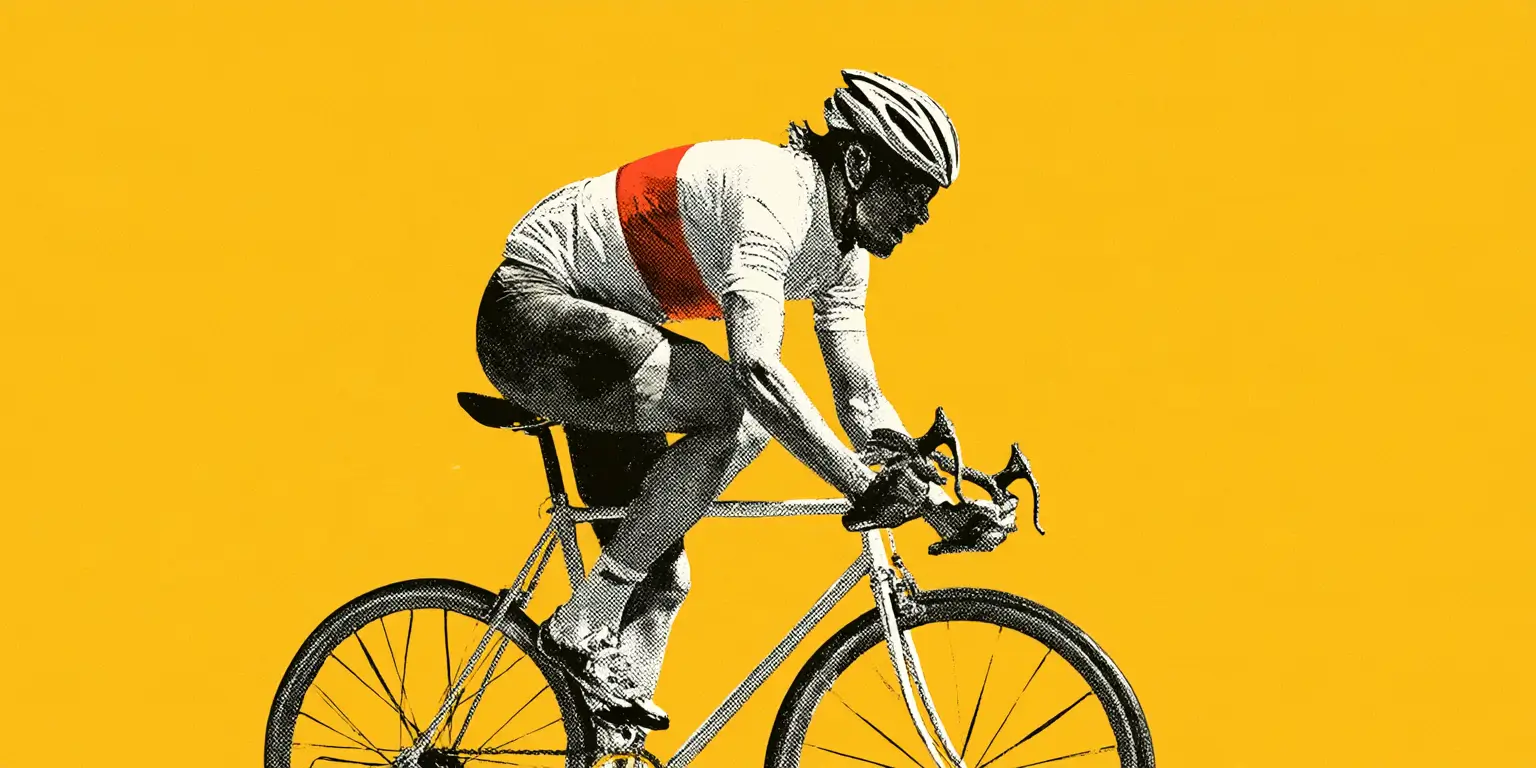
Cycling is a classic low-impact option because it builds leg strength and cardiovascular fitness without the repeated impact of running. Whether you’re on a stationary bike or riding outdoors on safe routes, the motion is smooth and joint-friendly.
The trick is to match the terrain and intensity to your current fitness level. For many people over 60, a modest, steady ride beats an all-out effort. Keep the cadence comfortable, stay hydrated, and make sure the bike fits properly — saddle height and handlebar position matter more than most people think.
4. Rowing
Rowing is one of the most underrated full-body workouts out there. It builds endurance, challenges posture, and recruits the legs, back, arms, and core in one rhythm. Done correctly, it’s smooth and efficient, which is exactly what many aging athletes need.
Technique matters here. Poor form can make rowing feel awkward fast, so start slowly and learn the stroke before chasing distance. If you have access to a rowing machine, use it to build a controlled pace. On the water, row with a group if possible — there’s something about moving in sync that keeps people honest.
5. Golf
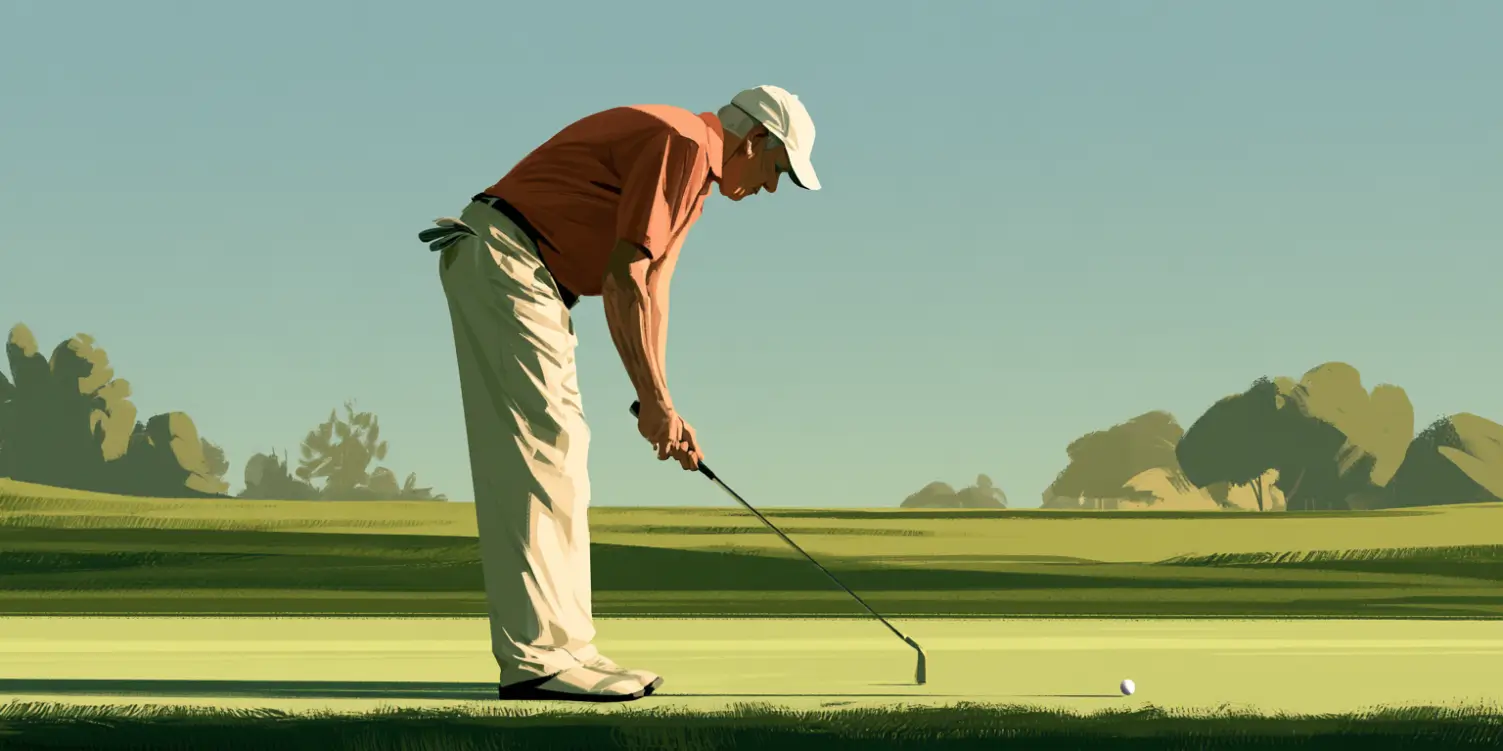
Golf may not look like a workout from the cart path, but anyone who’s walked 18 holes knows it can be a real test of stamina, mobility, and focus. It’s low-impact, but it still challenges your rotational strength, balance, and coordination.
What makes golf especially valuable for older adults is the rhythm of the game. It gives you time to move, reset, and think. It also rewards patience, which is a quality every athlete eventually learns to respect. If your body needs a little help, walking nine holes or using a push cart is still a solid way to stay active.
6. Pickleball
Pickleball has exploded because it’s accessible, social, and easier on the body than many racquet sports. The court is smaller, the movement patterns are shorter, and the learning curve is manageable. That makes it a strong fit for people who want competition without the wear and tear of full-speed tennis.
Still, don’t mistake low impact for low effort. Pickleball can get sharp in a hurry, especially near the kitchen line where reaction time and placement matter. Good footwork, soft hands, and court awareness go a long way. The best players aren’t just quick — they’re disciplined.
7. Tai Chi
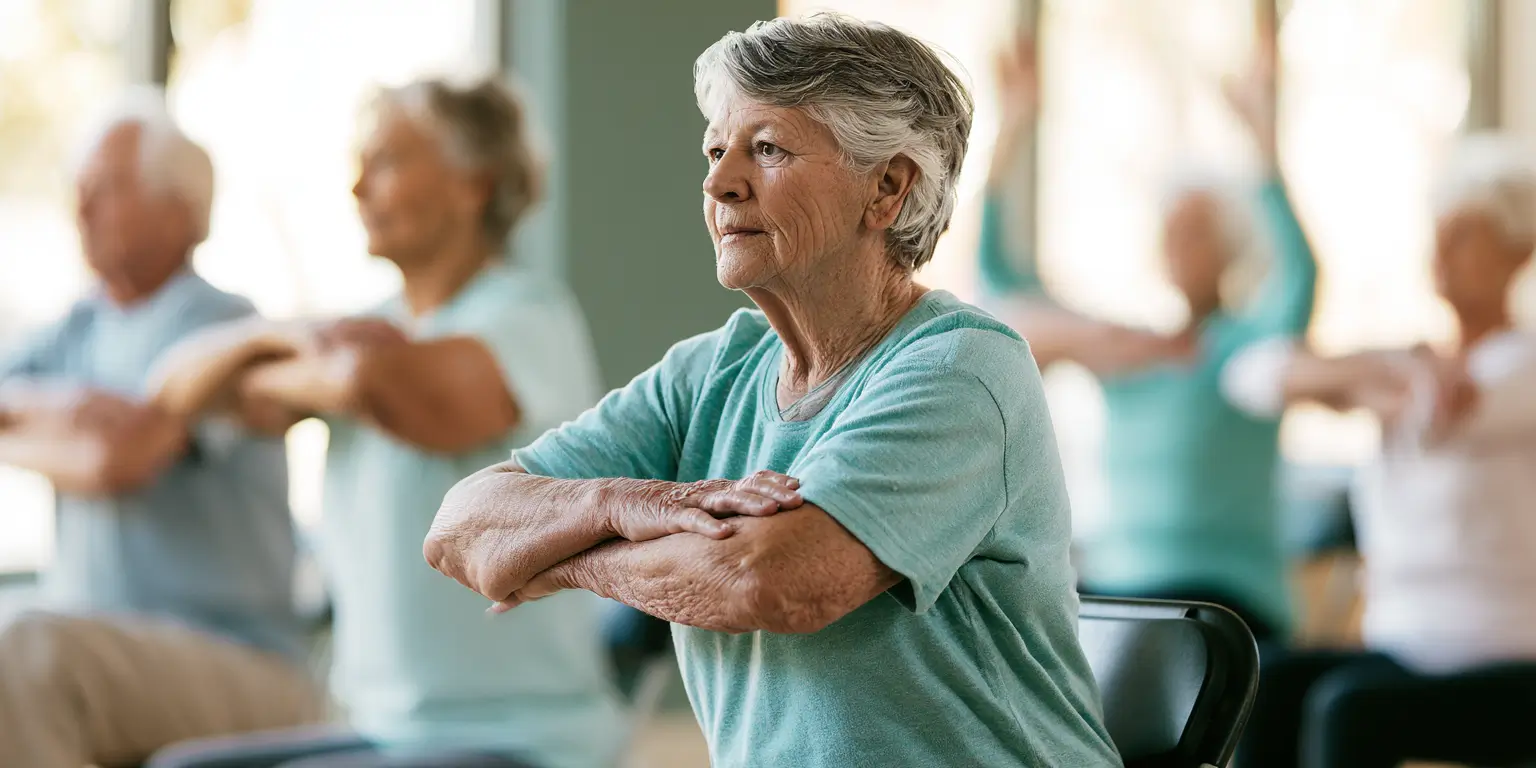
Tai chi isn’t a traditional sport in the same sense as swimming or cycling, but it deserves a spot on this list because it develops balance, body control, and mental focus. For adults over 60, those qualities are huge. A lot of injuries come from falls, and tai chi helps train the body to stay stable and centered.
The movements are slow, but that doesn’t mean they’re easy. You’re working on posture, breathing, weight transfer, and coordination. It’s the kind of discipline that teaches you how to move with intent, which is useful in every other activity you do.
8. Hiking
Hiking offers the benefits of walking with a little more variety and a lot more scenery. Uneven ground, hills, and changing terrain keep your legs, ankles, and core engaged. It’s also one of the best ways to make exercise feel less like a chore and more like a break.
For older adults, the smart approach is to choose trails that match current ability. Start with shorter routes, use trekking poles if needed, and pay attention to footing. A good hiking group can make the experience even better, because pacing together is part of the team dynamic — someone always knows when to slow down, hydrate, or check in.
9. Water Aerobics
Water aerobics is excellent for people who want movement without the jarring effect of land-based exercise. The water supports your body while adding resistance, so you still work your muscles and heart. It’s especially helpful for anyone managing arthritis, stiffness, or post-injury limitations.
There’s also a strong community element. Group classes create a supportive environment where people encourage each other and keep showing up. From a former athlete’s point of view, that matters. The best training rooms — whether they’re gyms, pools, or fields — are the ones where people feel like they belong.
How to choose the right low-impact sport
The best choice depends on your body, your interests, and your goals. If you want solitude and steady cardio, swimming or cycling may be ideal. If you want social energy and light competition, pickleball or walking soccer could be a better fit. If balance and mobility are the priority, tai chi or water aerobics may serve you well.
A few practical rules apply to almost everyone:
- Start below your limit. You can always build up, but joint flare-ups take longer to calm down.
- Warm up properly. Older muscles and tendons need more preparation, not less.
- Focus on recovery. Sleep, hydration, and light mobility work make a bigger difference than most people admit.
- Pick something you actually enjoy. Discipline matters, but enjoyment is what keeps you coming back.
Staying active after 60 isn’t about proving anything. It’s about keeping your engine running, your mind engaged, and your routine strong enough to support the rest of your life. The right low-impact sport can do all of that without asking your body to pay an unnecessary price. In the long run, that’s not just smart training — that’s good leadership over your own health.