Staying active later in life is less about chasing peak performance and more about protecting independence, balance, and daily function. The data is clear: regular movement can reduce fall risk, preserve mobility, and support heart health. In practical terms, even modest activity levels matter. Research consistently shows that older adults who move regularly tend to maintain strength and coordination longer than their sedentary peers, and those differences can translate into fewer injuries and a better quality of life.
For many older adults, the best exercise plan is the one that feels safe, sustainable, and enjoyable. Gentle activities can provide meaningful benefits without the strain of high-impact workouts. Below are seven low-stress ways to stay moving, each with measurable value for flexibility, circulation, balance, and stamina.
1. Walking at a Comfortable Pace
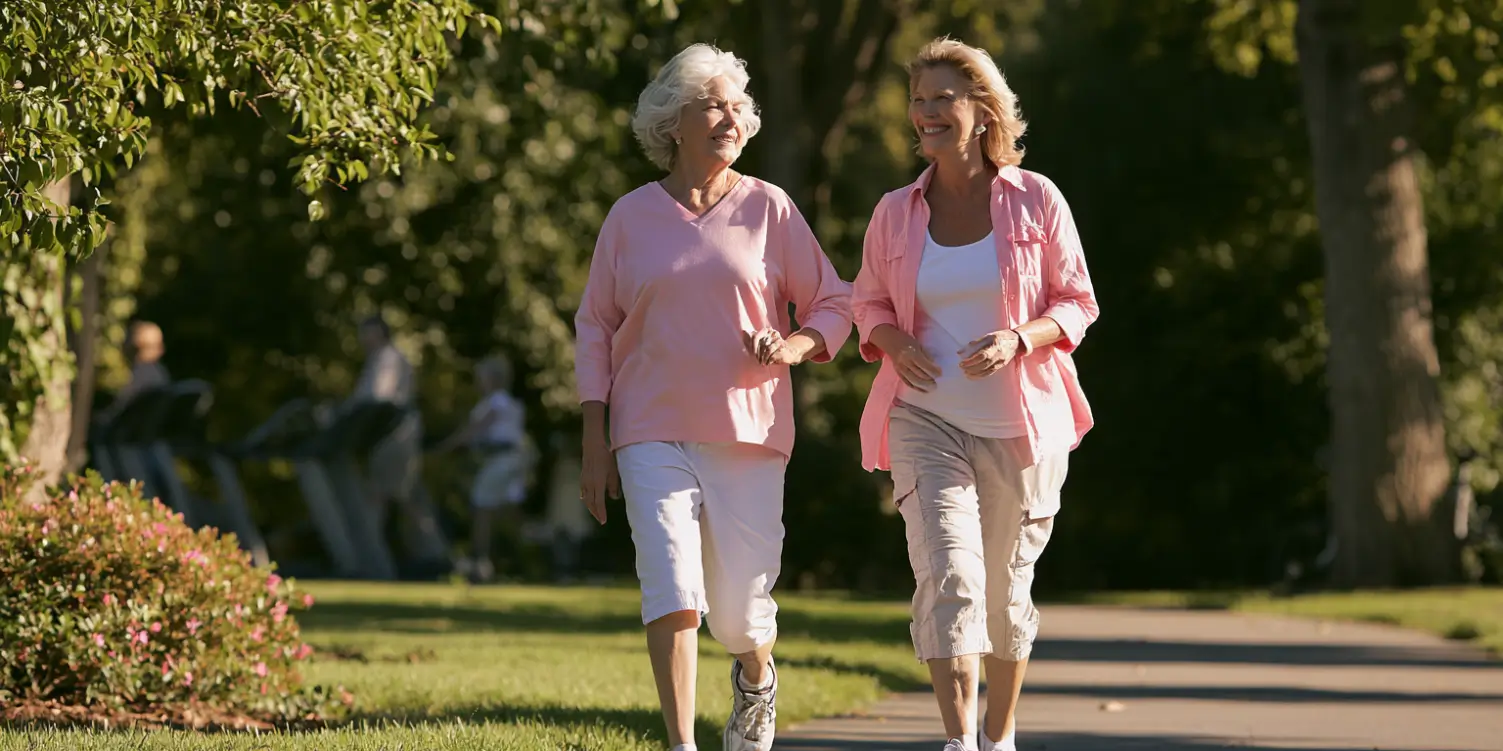
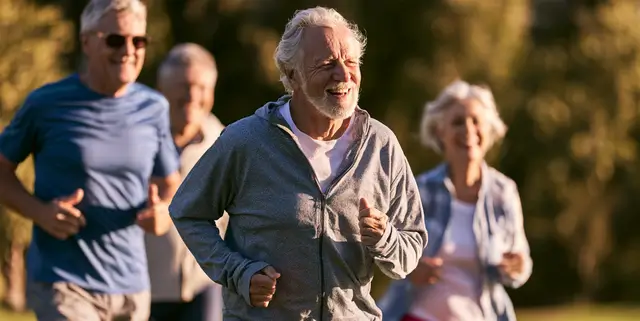
Walking remains one of the most efficient forms of exercise because it is accessible, low-cost, and easy to scale. A 20- to 30-minute walk can improve cardiovascular endurance and help maintain joint mobility. For older adults, the goal is not speed but consistency. Even a daily walk of 15 minutes adds up to more than 90 hours of movement per year if done every day.
Why it works: Walking supports bone density, helps regulate blood pressure, and can improve mood. Compared with complete inactivity, regular walking is associated with a meaningful reduction in chronic disease risk.
2. Chair Yoga
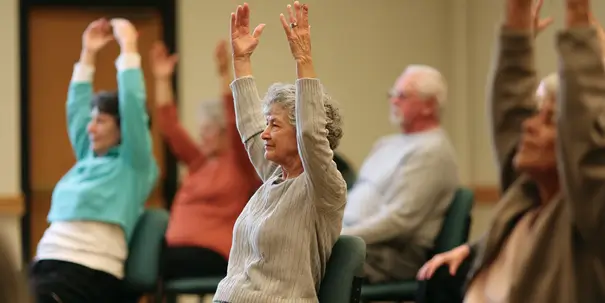
Chair yoga adapts traditional yoga poses so they can be done while seated or with chair support. This makes it especially useful for adults with arthritis, limited mobility, or balance concerns. A typical chair yoga session improves flexibility in the hips, shoulders, and spine while also training controlled breathing.
Statistical benefit: Programs focused on balance and flexibility have been shown to reduce fall risk, and chair-based routines can be a strong entry point for people who are inactive. Since falls are a major cause of injury in older populations, even small improvements in stability matter.
3. Water Aerobics
Water-based exercise is one of the most joint-friendly options available. The buoyancy of water reduces body weight load, which can make movement feel easier on knees, hips, and the lower back. At the same time, water provides resistance, so muscles still work.
Why it stands out: Compared with land-based exercise, water aerobics often allows longer sessions with less discomfort. For adults managing arthritis or stiffness, that lower perceived effort can improve adherence, and adherence is one of the biggest predictors of long-term success.
4. Light Resistance Training
Gentle strength work does not require heavy weights. Resistance bands, light dumbbells, or even bodyweight movements like sit-to-stands can maintain muscle mass, which naturally declines with age. Loss of muscle is not just a cosmetic issue; it affects walking speed, stair climbing, and the ability to rise from a chair without assistance.
Numbers worth noting: Strength declines accelerate with inactivity, but even two sessions per week can help preserve function. A small amount of resistance training can improve the muscles most used in daily life, especially the legs, back, and shoulders.
5. Tai Chi
Tai chi combines slow, deliberate movements with focus and controlled breathing. It is often described as meditation in motion, but it is also a highly practical balance exercise. Its slow weight shifts train proprioception, which is the body’s ability to sense position and movement.
Measured advantage: Among older adults, tai chi has been repeatedly linked with improved balance and fewer falls. Because falls are a leading reason for emergency visits in this age group, a practice that improves steadiness has outsized value relative to its intensity.
6. Gardening
Gardening is an underrated form of physical activity because it combines bending, reaching, squatting, carrying, and walking. While it may not feel like exercise, it can raise heart rate and engage multiple muscle groups. The key is pacing and using tools or raised beds to avoid overstrain.
Practical upside: Gardening encourages movement over longer periods of time, which helps break up sedentary behavior. Since long sitting bouts are associated with poorer metabolic health, a hobby that keeps someone on their feet can provide more benefit than its leisure label suggests.
7. Dancing or Rhythm-Based Movement
Gentle dancing, whether in a class or at home, combines physical activity with music and social interaction. That combination is powerful because it can increase motivation and make exercise feel less repetitive. Simple steps, side-to-side motions, and arm movements can improve coordination and elevate heart rate without high impact.
Why it is effective: Dancing challenges memory, timing, and balance at the same time. Activities with both physical and cognitive demands may be especially helpful for older adults looking to support brain health while staying active.
How to Make Gentle Activity a Habit
- Start small: 5 to 10 minutes is enough to build momentum.
- Use routine cues: Pair movement with daily habits like morning coffee or afternoon television.
- Track consistency: Aim for weekly totals rather than perfection.
- Prioritize comfort: Pain should not be ignored; adjustments can improve safety and adherence.
- Mix activities: Combining balance, strength, and mobility work gives broader benefits than relying on one type alone.
Older adults do not need intense workouts to see real gains. The most effective activity is often the one that can be repeated safely, several times a week, for months or years. Whether it is a walk around the block, a few chair yoga poses, or a session in the garden, gentle movement compounds over time. Those repeated small efforts can protect independence, improve confidence, and keep everyday life moving forward.