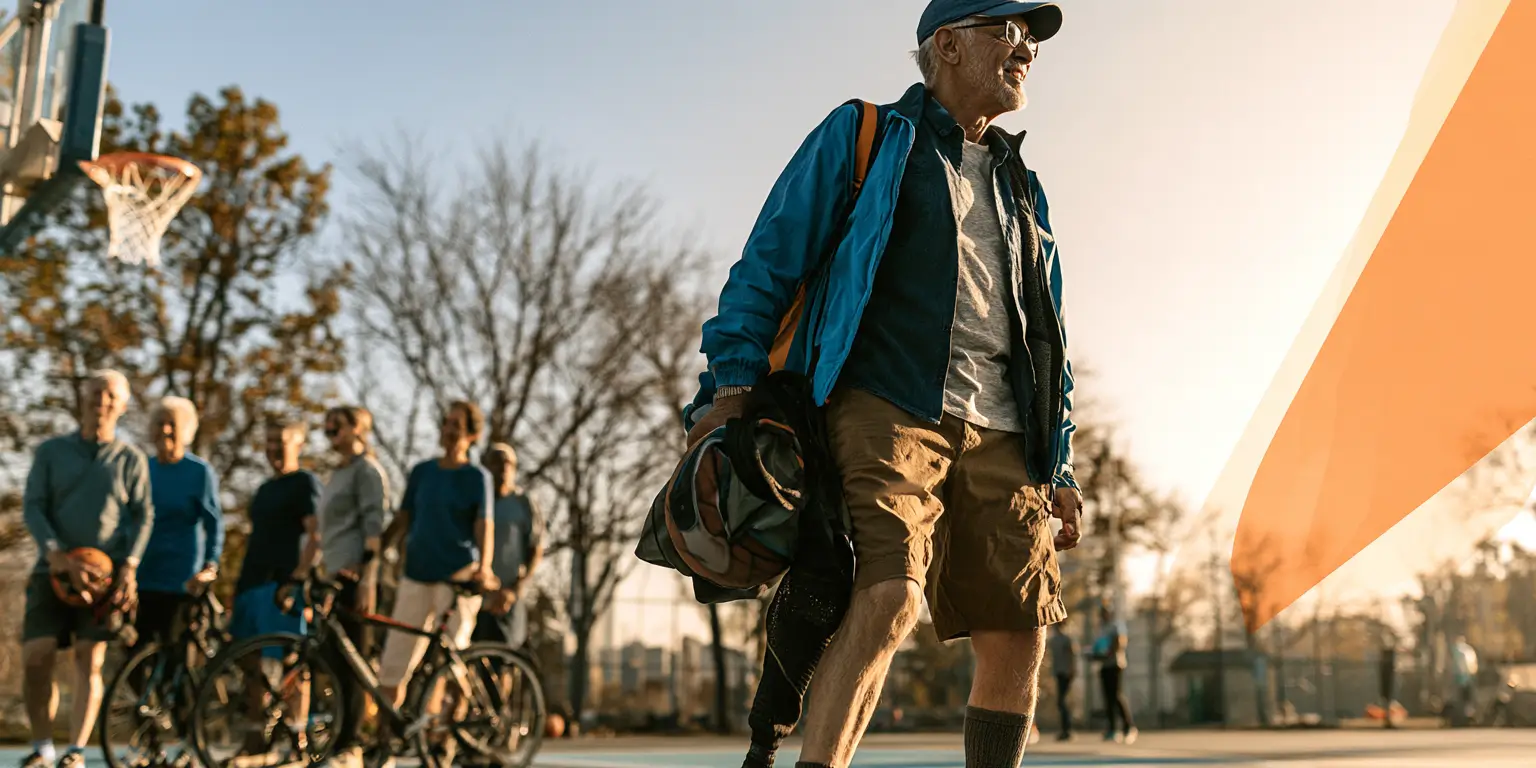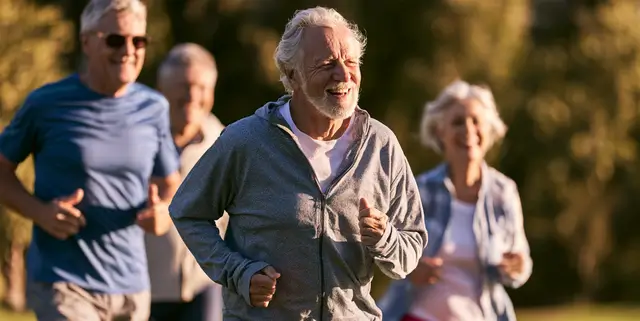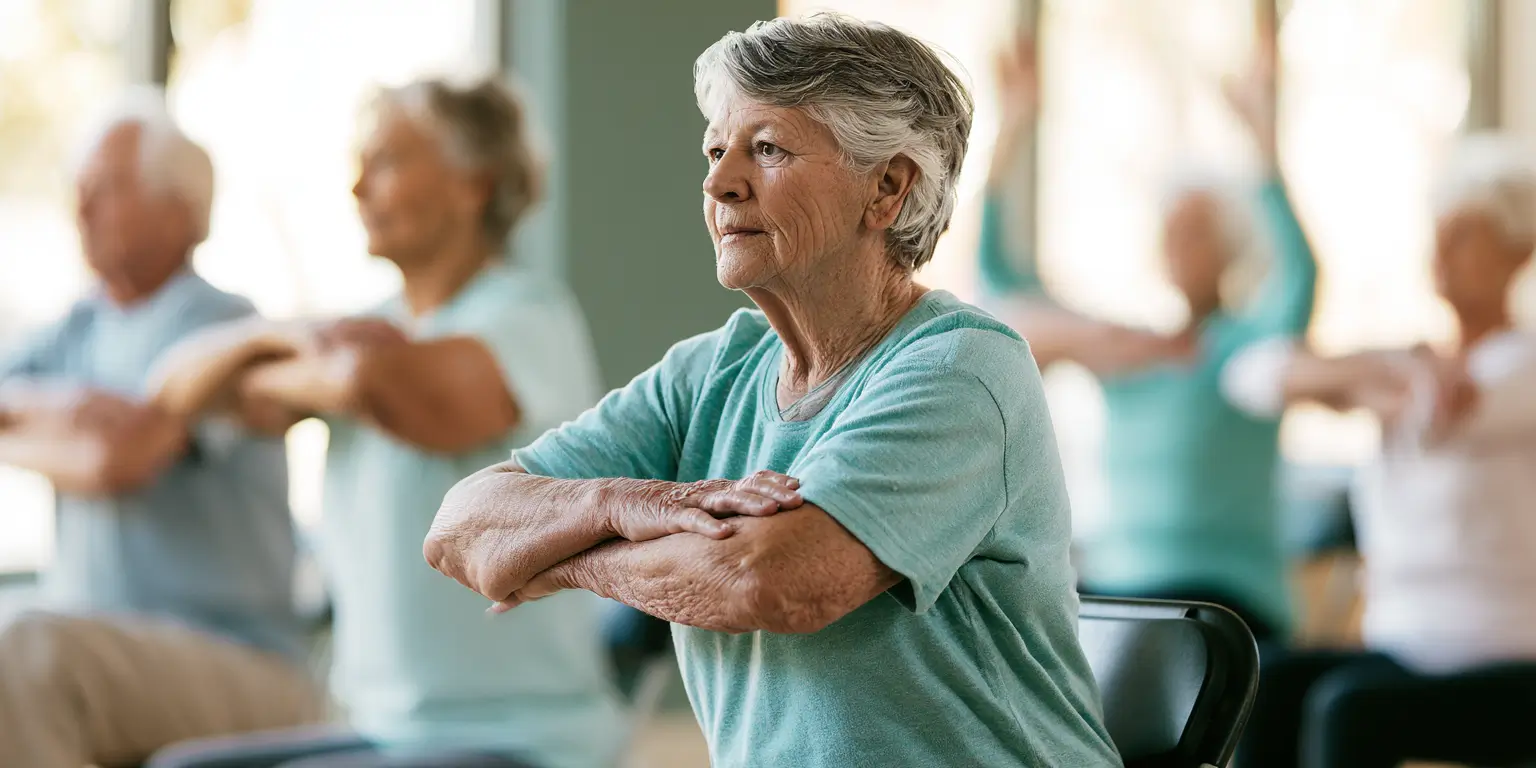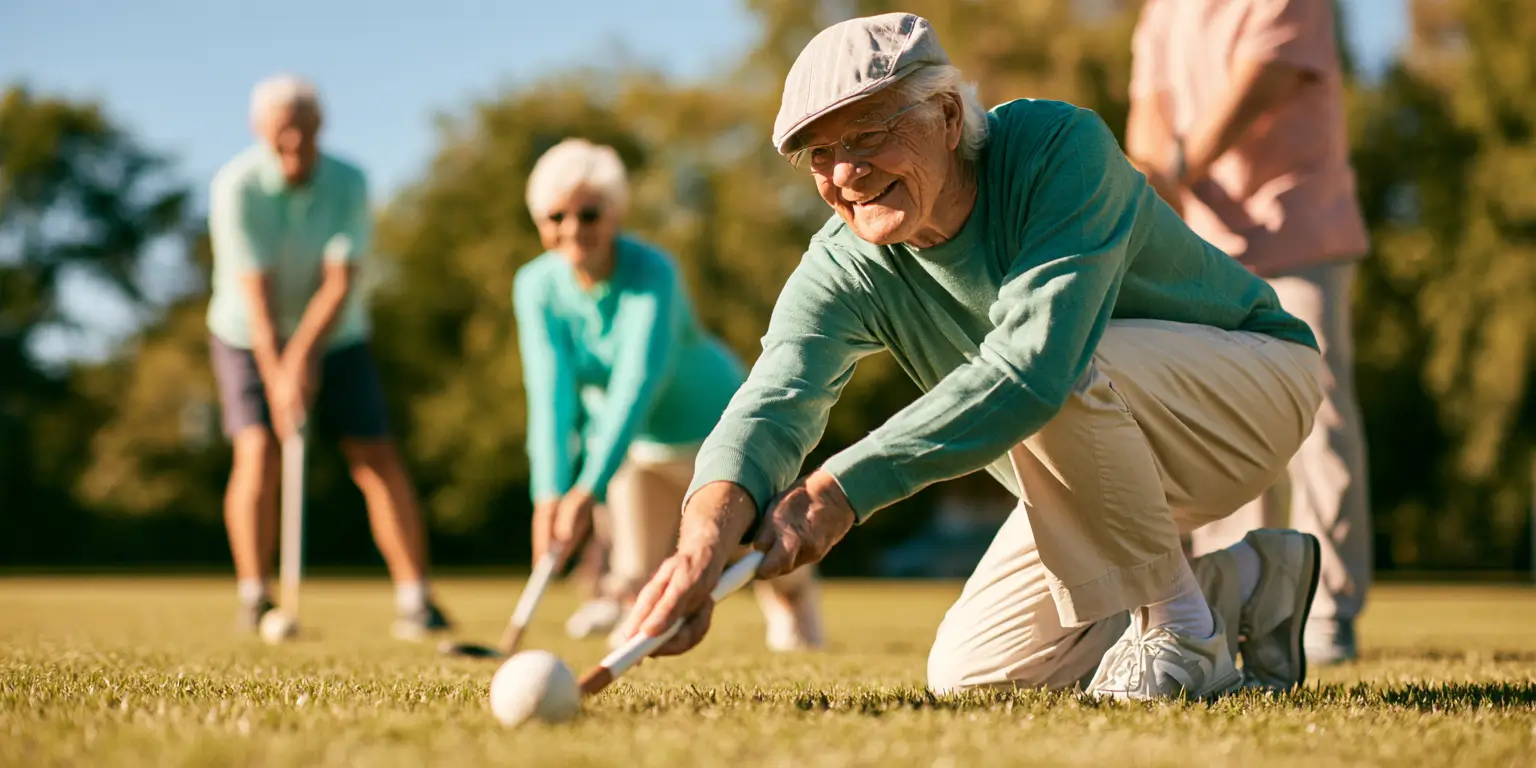
Age changes the body, but it does not automatically end athletic potential. In fact, participation data and sports science both point to a simple truth: the right activity, the right intensity, and the right recovery plan can keep adults active well into later life. The biggest mistake is assuming that sport is only for the young. Many recreational athletes in their 40s, 50s, 60s, and beyond are not just staying involved; they are improving mobility, cardio fitness, and even competitive results compared with their earlier years.
What makes this possible is not magic, but adaptation. Lower-impact sports reduce joint stress, interval-style movement preserves cardiovascular capacity, and technique often improves with experience. If you have been away from sport for years, the smartest question is not “Am I too old?” It is “Which activity gives me the best return for my body right now?”
Walking and hiking: the highest-return entry point
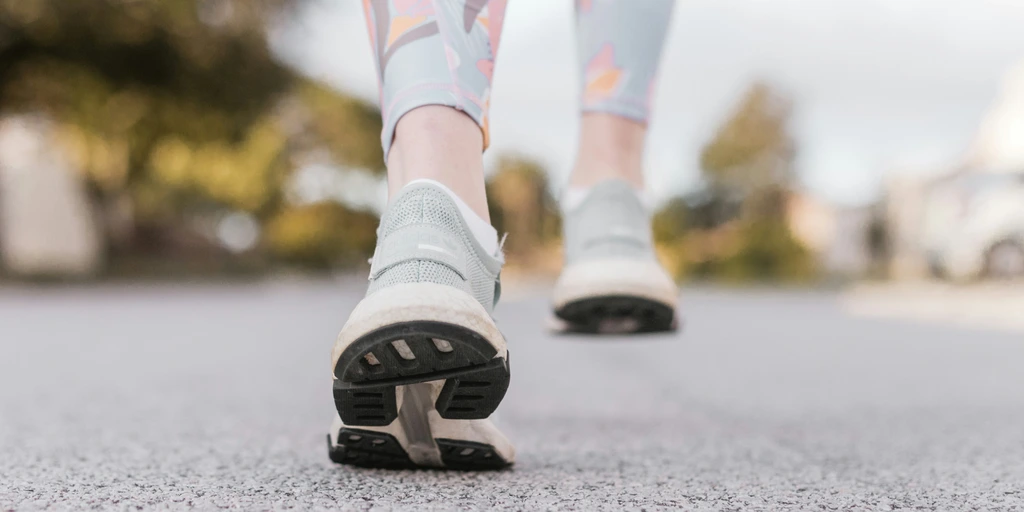
Walking remains one of the most accessible ways to restart athletic movement. A brisk 30-minute walk can burn roughly 120 to 170 calories for many adults, depending on body weight and pace, while also supporting blood sugar control and aerobic conditioning. Hiking adds terrain variation, which improves balance and lower-body strength without the repeated impact of running.
For older adults, the appeal is not just convenience. It is compliance. Activities that are easy to maintain tend to produce better long-term fitness than ambitious plans that collapse after two weeks. A person who walks five days a week is building a 150-minute baseline that matches widely recommended activity targets, and that consistency often matters more than intensity spikes.
- Best for: returning athletes, people with stiff joints, beginners
- Why it works: low injury risk, easy progression, strong cardiovascular payoff
- Upgrade path: hills, trekking poles, faster pace intervals
Swimming and water aerobics: joint-friendly conditioning
Swimming is one of the clearest examples of sport that rewards aging bodies. Water reduces body weight stress by a large margin, which means shoulders, hips, knees, and ankles absorb less force than they do on land. That lower impact allows many older athletes to train for longer sessions with less soreness the next day.
For those who have not swum competitively, water aerobics offers similar benefits with an even easier learning curve. The aerobic demand can still be substantial: a moderately paced water class can elevate heart rate enough to improve endurance while keeping the injury profile relatively low. In practical terms, this is one of the few activities where a deconditioned 65-year-old can often train alongside a 40-year-old and still get comparable health benefits.
Cycling: endurance without the pounding
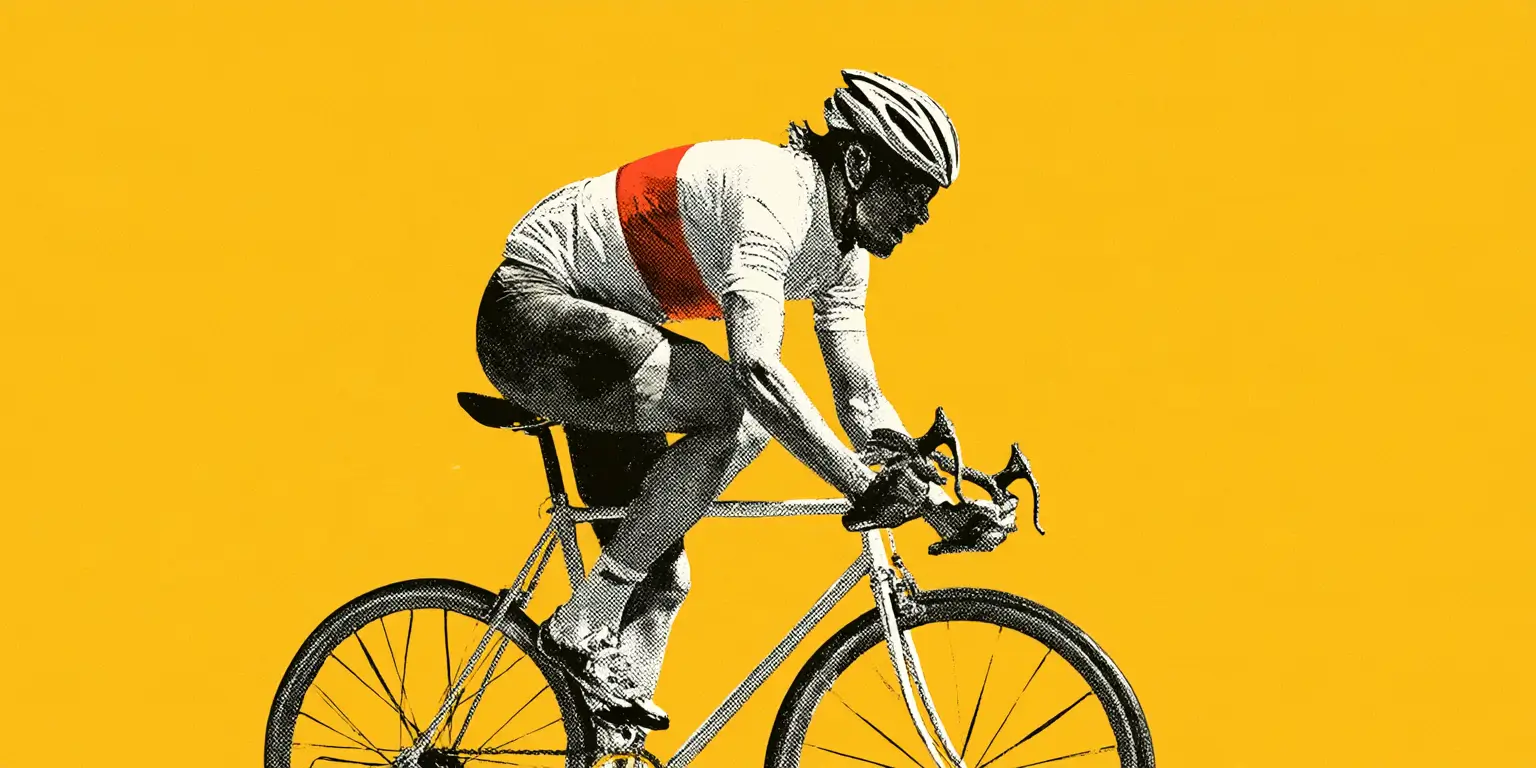
Cycling is a strong option for adults who want speed, distance, and measurable progress. Unlike running, which can involve repeated impact forces several times body weight, cycling shifts the load to the legs in a more controlled pattern. That means it can preserve aerobic fitness while reducing stress on the knees and hips for many users.
Another statistical advantage: cycling volume is easy to track. Distance, average speed, and elevation gain create clear benchmarks, which helps motivation. Older recreational cyclists often improve by focusing on cadence and pacing rather than raw power. Group rides also add a social element, and adherence tends to rise when exercise has a community component.
- Best for: endurance-minded adults, commuters, former runners
- Why it works: low impact, scalable intensity, measurable progress
- Watch for: bike fit, saddle comfort, traffic safety
Pickleball and tennis: competitive, social, and surprisingly demanding
Few sports have grown faster among older adults than pickleball, and the reason is obvious. The court is smaller than tennis, so reaction time matters more than raw sprint speed, and rallies can be intense without requiring full-field running. That makes it appealing to players who still want competition but need to manage load. Tennis remains a strong option too, especially doubles, where movement demands are lower than singles.
From a fitness perspective, these sports are more demanding than many newcomers expect. Short bursts of movement, directional changes, and repeated acceleration can produce a meaningful cardiovascular effect. The social advantage is just as important. Sports that people enjoy are more likely to be repeated, and repetition is where the health gains accumulate.
Still, injury management matters. A player returning after years away should spend time on calf strength, shoulder mobility, and balance drills. The most common mistake is not age itself, but trying to move like a 25-year-old on day one.
Strength training: the overlooked sport for healthy aging
Although many people think of lifting weights as a gym-only activity, it is one of the best tools for older adults who want to stay athletic. Muscle mass naturally declines with age, but resistance training can slow that loss and improve power, posture, and bone density. In practical terms, stronger legs help with climbing stairs; stronger hips support walking speed; stronger grip improves everything from gardening to racket sports.
Research consistently shows that progressive resistance training can improve function even in older populations that are new to exercise. The key is not maximal lifting. It is gradual overload, proper form, and recovery. Two to three sessions per week is enough for many adults to make noticeable gains within 8 to 12 weeks.
- Best for: anyone over 40 who wants longevity and injury prevention
- Why it works: preserves muscle, supports bone health, improves power output
- Simple starter moves: squats, hinges, rows, presses, carries
How to choose the right sport at any age
The best activity is usually the one that matches your body, your schedule, and your personality. If you like structure, swimming laps or cycling might suit you. If you want social energy, pickleball or doubles tennis may keep you engaged. If your joints need relief, walking and water-based exercise offer high value with low impact. And if your goal is long-term independence, strength training should be part of the mix no matter what else you do.
A useful rule is to compare risk and reward. High-reward activities are not necessarily high-risk if they are scaled properly. An older beginner who starts with 20-minute sessions, adds load gradually, and pays attention to recovery is often in better shape after six months than someone who waits for the “perfect” time to begin.
Being older does not mean being less athletic. It means being more selective. The smartest athletes adapt, measure progress, and stay consistent. That formula works at 25, and it works at 65 too.