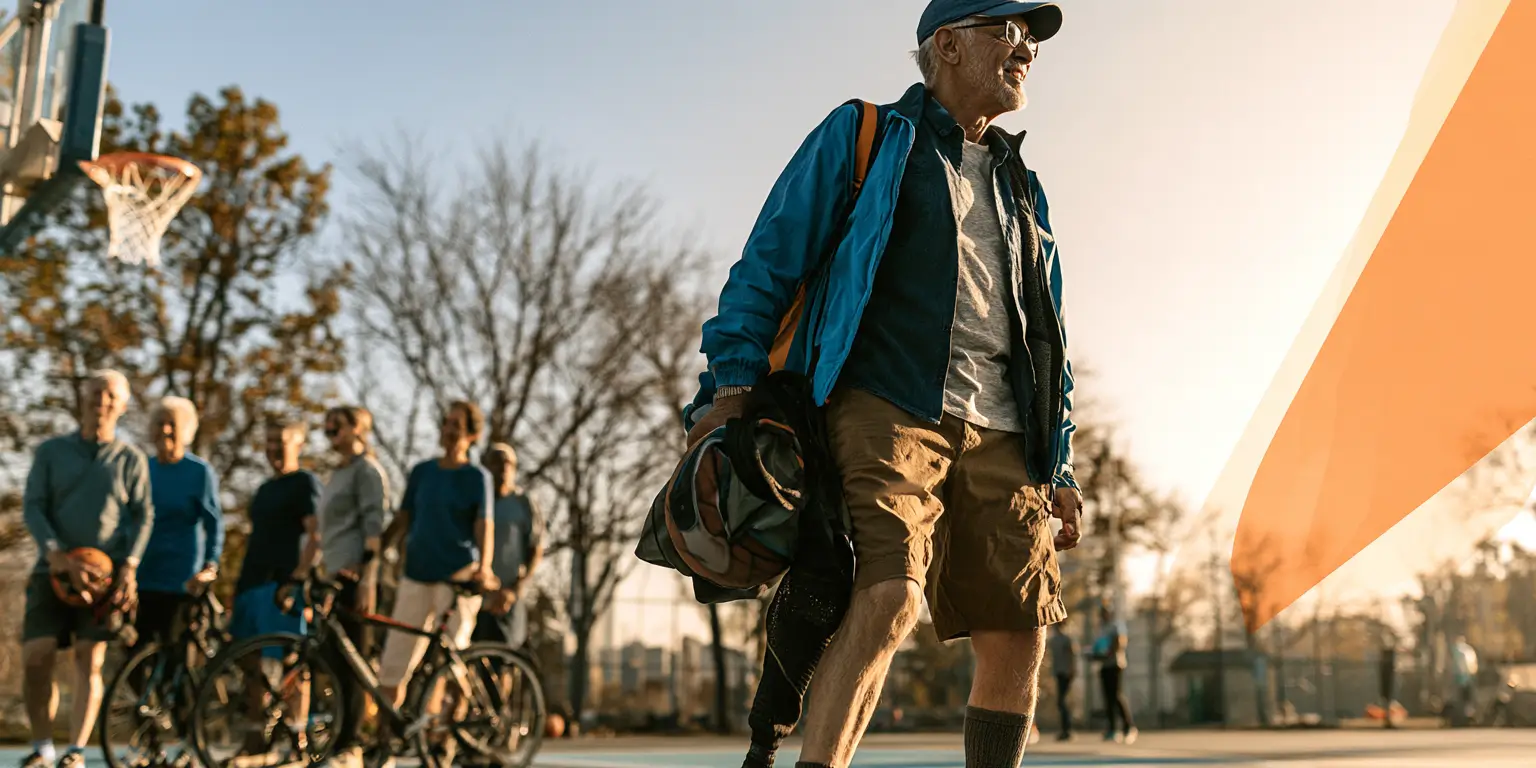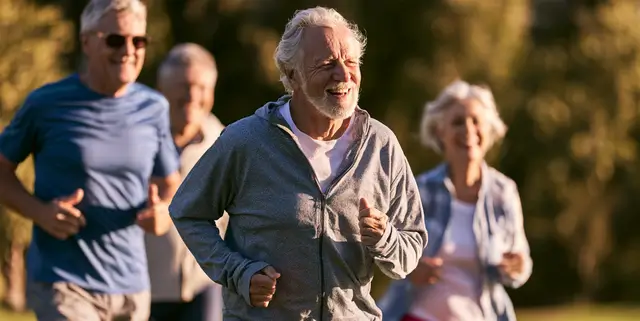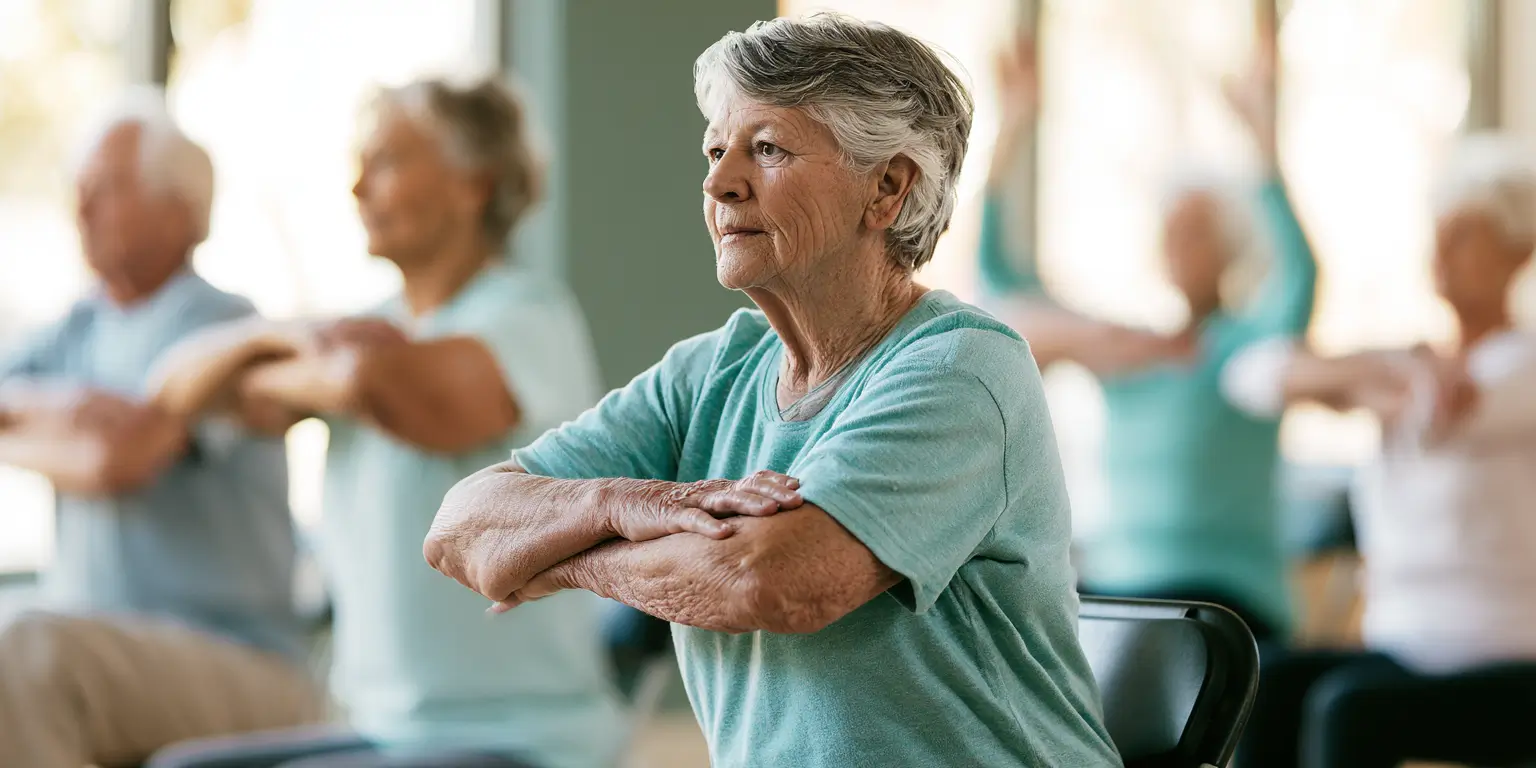
When the years add up, the love of movement does not have to fade one bit. In fact, for many older adults, the right activity can feel like a new season of life: fresher legs, brighter moods, and that wonderful feeling of still being in the game. The big question is not whether to stay active, but which activity fits best—walking, swimming, or cycling.
Each one brings its own kind of magic. Walking is the reliable veteran, easy to start and hard to beat for everyday health. Swimming is the smooth operator, gentle on the joints and refreshing on the spirit. Cycling, meanwhile, is the thrill ride, offering cardio power and a sense of freedom that can make the heart sing. The best choice depends on comfort, health needs, confidence, and what kind of motivation keeps you coming back for more.
Why movement matters even more with age
Older adults do not need to train like elite athletes to enjoy huge benefits from regular activity. A steady routine can help with balance, strength, endurance, mood, heart health, and independence. That is the real trophy right there. Staying active can also support better sleep, sharper thinking, and a stronger sense of well-being.
The key is consistency. A modest routine done week after week often beats a heroic burst that disappears after three days. The goal is to find an activity that feels doable, enjoyable, and safe enough to repeat. That is where walking, swimming, and cycling each step into the spotlight.
Walking: the classic crowd favorite
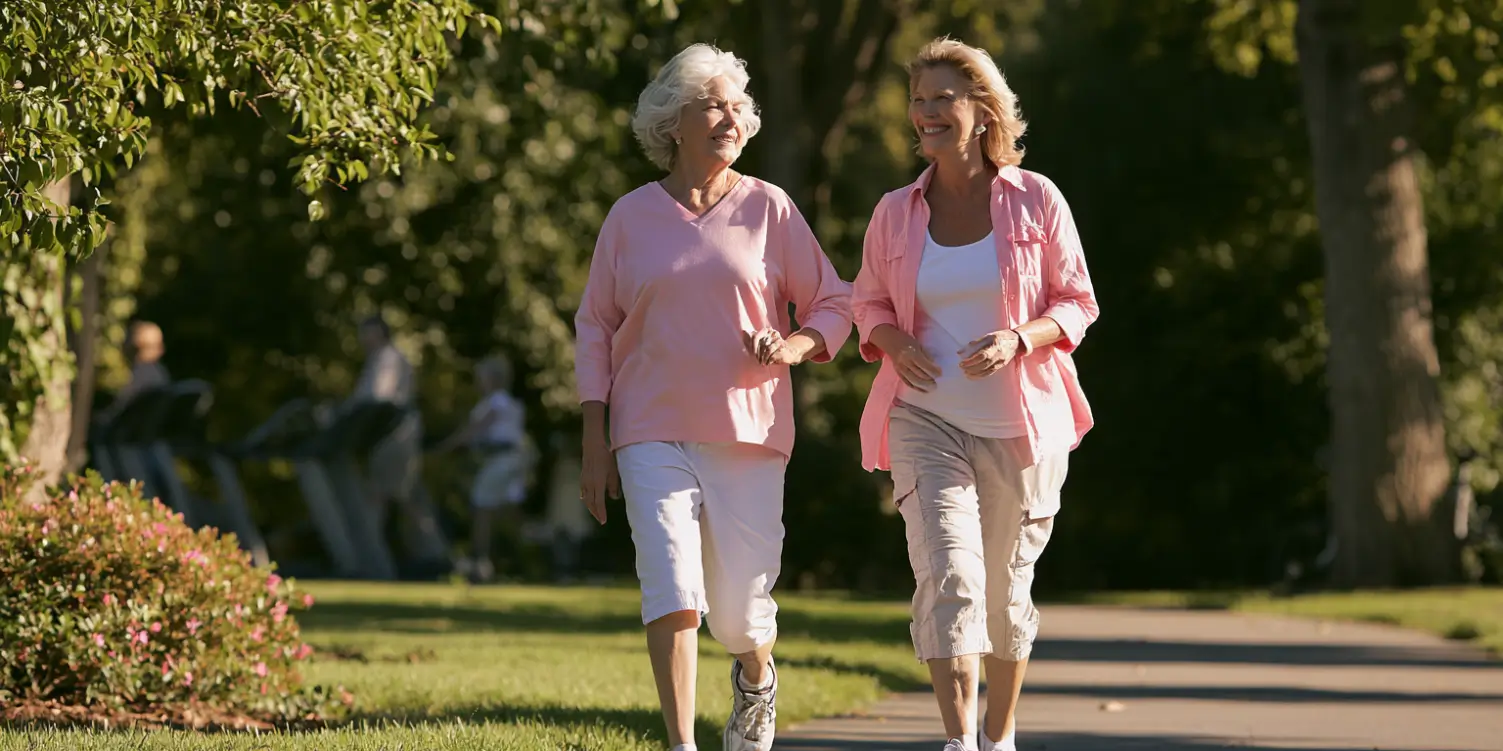
Walking is the easiest entry point for many older adults, and for good reason. It requires little equipment, can be done almost anywhere, and allows the pace to be adjusted on the fly. Whether it is a stroll around the neighborhood, laps at the local park, or a purposeful walk on a treadmill, walking is the dependable workhorse of fitness.
Why walking shines:
- Low cost and simple to start
- Supports heart health and circulation
- Helps maintain joint mobility and leg strength
- Can be social, especially with a walking partner
- Easy to scale up or down based on energy levels
Walking is especially appealing for people who want a routine without a steep learning curve. It is also a strong choice for those easing back into exercise after a long break. A short daily walk can feel like a small win, but those wins stack up fast. Over time, walking can improve stamina and help keep everyday tasks from feeling like a grind.
Still, walking is not perfect for everyone. If balance is a concern, uneven sidewalks or poor lighting can be risky. Joint pain in the hips, knees, or feet may also make longer walks uncomfortable. The good news is that walking can be adapted. Supportive shoes, flatter routes, walking poles, or shorter intervals can make a big difference.
Swimming: joint-friendly and full of lift
Swimming is the smoothest of the three, and for many older adults it feels like a gift from the sports gods. The water supports body weight, which reduces stress on the joints and can make movement feel much easier than it does on land. For people with arthritis, stiffness, or chronic pain, swimming can be a game changer.
Why swimming makes waves:
- Very gentle on joints and connective tissue
- Provides both cardio and muscle engagement
- Helps with flexibility and range of motion
- Can feel cooling and refreshing, especially in warm weather
- Suitable for people who need lower-impact exercise
Swimming is more than just laps. Water aerobics, gentle kicking, and even walking in the pool can offer strong health benefits. The resistance of water creates a sneaky workout for the muscles while still being kind to the body. For older adults who want a full-body session without the pounding of land-based exercise, this is a standout choice.
There are a few things to keep in mind. Swimming requires access to a pool, safe entry and exit points, and comfort in the water. Some people may also need a refresher on technique or a little confidence-building before they feel at home. If that is the case, starting with shallow-water exercise or supervised classes can help build trust and skill. Once the rhythm clicks, swimming can become a beloved weekly fixture.
Cycling: steady power with a sense of freedom
Cycling brings a different kind of energy to the table. Whether on a traditional bike or a stationary bike, it offers a strong cardio workout with less impact than running. For older adults who still want a sense of speed and motion, cycling can feel like a victory lap.
Why cycling deserves a spot in the lineup:
- Boosts cardiovascular fitness
- Strengthens the legs, especially the quadriceps and calves
- Low impact compared with many land-based activities
- Stationary bikes offer a controlled and safe environment
- Outdoor rides can be uplifting and mentally refreshing
Cycling can be a terrific option for people who enjoy a little adventure. A relaxed ride through a quiet neighborhood or along a bike path can do wonders for mood and motivation. Stationary cycling, on the other hand, is excellent for anyone who wants to avoid traffic, weather concerns, or balance challenges. It gives a reliable workout that can be done at home or in a gym.
That said, cycling is not the easiest choice for everyone. Mounting and dismounting a bike can be tricky if balance, hip mobility, or knee comfort is limited. Outdoor cycling also requires attention to road safety and traffic awareness. A properly fitted bike, a comfortable seat, and the right height adjustment are not optional extras—they are essential for keeping the ride smooth and safe.
Which one is best for specific needs?
The best activity is not always the one that looks best on paper. It is the one that fits the person in front of you. Different goals and health concerns may point toward different choices.
If joint pain is the main issue: Swimming often takes the edge here because the water reduces load on the body. Cycling can also work well, especially on a stationary bike with proper setup. Walking may still be possible, but it might need to be shorter, slower, or done on softer surfaces.
If convenience matters most: Walking wins the day for many older adults. It does not require a pool, a bike, or much planning. A pair of good shoes and a safe route are often enough.
If you want a stronger cardio challenge: Cycling can deliver a very efficient workout, especially if the resistance is increased gradually. Swimming also provides a strong aerobic session, particularly if done with steady effort.
If balance is a concern: Swimming and stationary cycling are usually safer bets than walking outdoors or riding a traditional bike. Still, any activity should be matched to ability, and support from a doctor or physical therapist can help guide the decision.
If motivation comes from social connection: Walking groups, aqua classes, and cycling clubs can all be fantastic. The best program is often the one that feels like a community instead of a chore.
Safety first, because staying in the game matters
No matter which activity gets the nod, safety has to stay on the front row. Older adults should start gradually, especially if they have been inactive or are managing a medical condition. Warm-ups matter, hydration matters, and good footwear or equipment matters even more than some people realize.
It is smart to check with a healthcare professional before beginning a new exercise routine, particularly if there are heart concerns, joint replacements, dizziness, shortness of breath, or a history of falls. A little guidance up front can keep the whole season running smoother.
Other smart habits include:
- Starting with short sessions and building slowly
- Stopping if there is sharp pain, chest discomfort, or unusual breathlessness
- Using proper gear, such as supportive shoes, goggles, or a helmet
- Choosing well-lit, even surfaces for walking
- Using railings, pool steps, or mounting assistance when needed
Mixing activities can be the real winning strategy
For some older adults, the answer is not choosing just one activity. It is combining two or even all three. That approach can keep things fresh while reducing strain on any one part of the body. Walking on some days, swimming on others, and cycling when the mood strikes can create a balanced routine that feels less repetitive.
Cross-training also helps the body in different ways. Walking supports bone health and weight-bearing strength. Swimming builds endurance with less impact. Cycling keeps the legs working and the heart pumping. Together, they can form a well-rounded game plan that keeps fitness from getting stale.
And let’s be honest: enjoyment matters. A workout that feels like a slog will not earn many repeat appearances. If the pool makes someone feel relaxed and strong, that is a win. If a morning walk brings peace and fresh air, that is a win. If a bike ride sparks a grin, that is a win too. The best activity is the one that keeps you showing up.
So, which one gets the nod?
Walking, swimming, and cycling each have a place in the older adult fitness playbook. Walking is the easiest to start and the most accessible. Swimming is the most joint-friendly and often the most soothing. Cycling delivers strong cardio and a sense of momentum that can be incredibly motivating.
If the goal is simplicity, choose walking. If the goal is low-impact comfort, choose swimming. If the goal is a stronger cardio push with a bit of adventure, choose cycling. And if the body and schedule allow it, rotating between all three may be the smartest move of all.
Fitness after 60, 70, or beyond is not about chasing youth. It is about protecting energy, enjoying movement, and keeping the heart in the fight. Pick the activity that feels like a fit, lace up, step in, or pedal off, and keep the streak alive. That is how older adults stay active with confidence, pride, and a whole lot of heart.