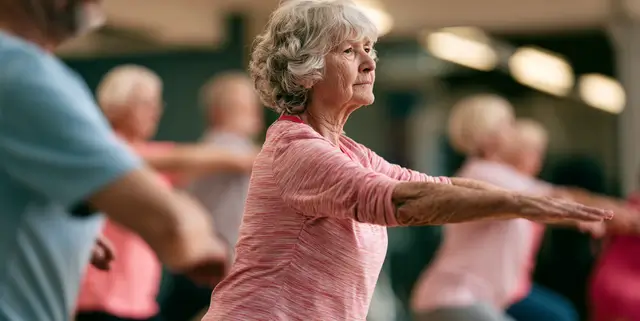
Getting back into sports later in life can feel a little like walking into a locker room after being away for years: the gear looks familiar, the sounds bring back memories, but your body needs a minute to catch up with your mind. The good news is that you do not need to be in game shape on day one. You just need a smart plan, some patience, and the right mindset.
Start by choosing the right sport for your current body
One of the biggest mistakes I see is trying to return to the same pace you had in your twenties. That usually ends with sore knees, tight hamstrings, and a long stretch on the couch. Instead, pick a sport that fits where you are now. If you once played full-court basketball but your joints are telling a different story, try half-court runs, pickup with fewer minutes, or a lower-impact option like swimming, cycling, tennis, or masters-level league play.
The key is to match the sport to your current fitness, mobility, and confidence. You want a challenge, not a punishment. In team sports, it also helps to find a group that understands the pace of returning athletes. A supportive crew makes all the difference.
Give your body time to warm up like it matters
In locker-room culture, warm-ups can feel like the boring part before the real action. But as you get older, they become non-negotiable. A proper warm-up wakes up your muscles, gets blood moving, and reduces the chance of pulling something on the first sprint or awkward landing.
Keep it simple:
- 5 to 10 minutes of light cardio
- Dynamic stretches like leg swings, arm circles, and walking lunges
- Sport-specific movement such as shuffles, skips, or gentle drills
Do not skip this step because you feel fine. The old athlete trap is thinking your body is still ready to go cold. It is not. Warm up like you respect the work ahead.
Build fitness before chasing performance
If you have been away from sports for a while, your first goal should not be scoring, winning, or setting personal records. Your first goal should be consistency. Rebuild your engine with walking, light jogging, mobility work, and basic strength training before diving into intense competition.
A strong comeback usually includes:
- Two to three days of cardio each week
- Two days of strength work focused on legs, core, and upper body
- Mobility or flexibility sessions to keep joints moving well
This is where former athletes have to swallow a little pride. In your head, you may still feel like the same player. Your body, however, needs proof. Earn your way back. That mindset helps keep injuries down and confidence up.
Listen to soreness, not just motivation
There is a difference between normal post-workout soreness and pain that is trying to tell you something. Muscle fatigue, mild stiffness, and a little next-day ache are common. Sharp pain, swelling, instability, or discomfort that changes your movement is not something to ignore.
One of the best lessons from team sports is knowing when to stay in and when to sit out. Toughness is valuable, but smart athletes know the difference between pushing through and pushing too far. If something feels off, back off early instead of turning a small issue into a season-ending one.
Focus on recovery like it is part of training
When you are younger, you can sometimes get away with a bad night of sleep and still show up and perform. Later in life, recovery becomes part of the game plan. Sleep, hydration, nutrition, and rest days matter just as much as the workout itself.
Try to keep these habits in place:
- Drink water before, during, and after activity
- Eat enough protein to support muscle repair
- Get consistent sleep, especially after hard sessions
- Use rest days for walking, stretching, or easy movement
Think of recovery as the behind-the-scenes work that keeps the team running. Nobody cheers for it, but everybody benefits from it.
Find your people
Sports are better when they are shared. Whether it is a local league, a weekend run group, a cycling club, or a masters team, having people around you keeps the motivation high. It also helps with accountability. When teammates are expecting you, it is easier to show up on days when the couch looks especially inviting.
There is also a mental lift that comes from being around people who understand the grind. The jokes in the locker room, the shared warm-up routines, the sideline talk after a hard workout — all of that makes the process more enjoyable. And enjoyment matters. If you are having fun, you are far more likely to stick with it.
Leave room for progress, not perfection
Getting back into sports later in life is not about proving you can still do everything you once could. It is about building a version of yourself that can keep playing for years to come. That means adjusting expectations, celebrating small wins, and accepting that progress may be uneven.
Maybe your first month is just showing up three times a week. Maybe your first win is running without stopping. Maybe it is finishing a game and feeling good the next day. Those are real victories. In sports, momentum is built one good rep, one good practice, one good decision at a time.
So start simple. Pick the right activity, warm up properly, train with patience, and recover like you mean it. The comeback does not have to be flashy. It just has to be sustainable. And if you do it right, you might find that the second chapter is just as rewarding as the first.