After a certain point, the game changes a little—but the love of movement does not. I’ve seen plenty of athletes hang up the cleats, shoes, or racket and think their playing days were behind them, only to find that the right sport after 60 can bring back that same spark. The key is choosing activities that keep you moving, social, and confident without asking your body to pay a price it cannot afford.
Why staying active matters more after 60
From a locker-room perspective, fitness is never just about looking good. It’s about staying ready for life. After 60, regular activity helps with balance, joint health, heart health, mobility, and even mood. I have watched older teammates and recreational players keep their edge simply by staying consistent. The body likes rhythm. It responds well to routine, smart effort, and recovery.
The best sports for seniors are the ones you can stick with. That means low injury risk, manageable intensity, and enough enjoyment that you actually want to show up. If a sport feels like punishment, it usually does not last. The sweet spot is finding something that feels like play but still challenges you just enough.
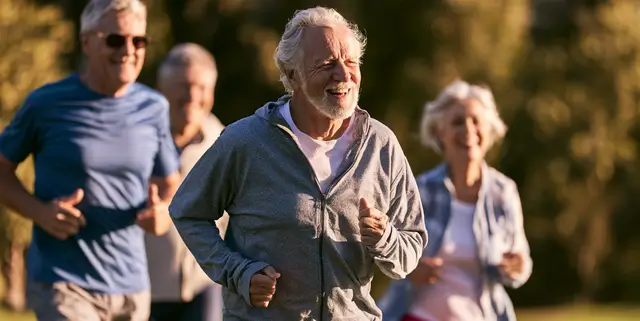
Walking: the most underrated sport on the board
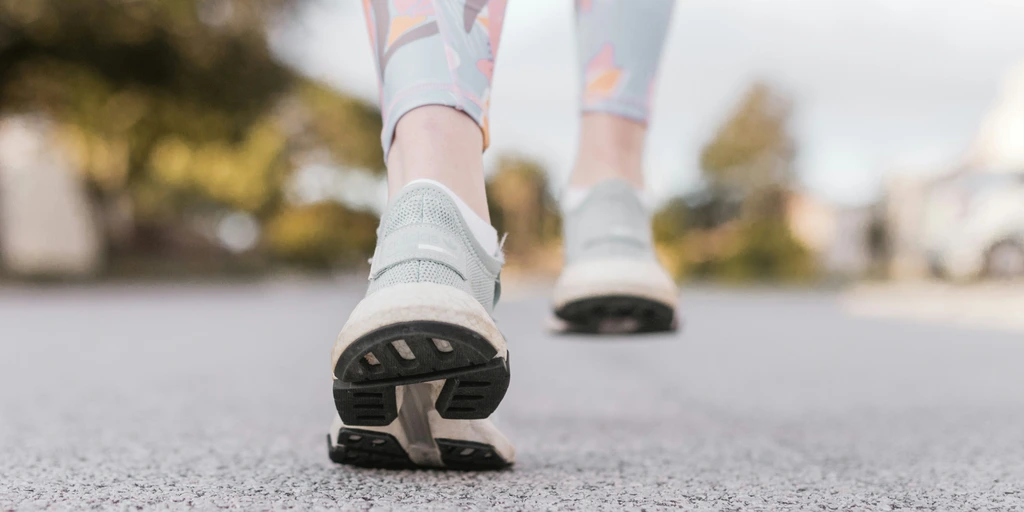
Walking may not sound flashy, but it is one of the best ways to stay active after 60. It is easy on the joints, scalable to any fitness level, and useful in almost every season. I have always respected athletes who can keep a steady pace for miles because that kind of conditioning comes from discipline, not drama.
To make walking more effective:
- Keep an upright posture and relaxed shoulders.
- Use a steady arm swing to engage the whole body.
- Pick supportive shoes with good cushioning.
- Mix in hills or longer routes when you feel ready.
Walking groups are especially valuable because they add accountability and conversation. In sports, that kind of shared rhythm matters. Nobody wants to be the one who lets the group down, and that little bit of social pressure can be a powerful motivator.
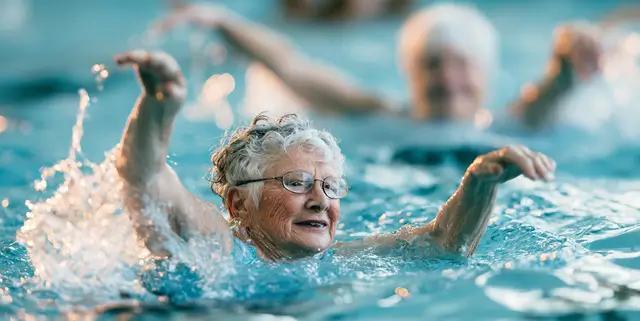
Swimming and water aerobics: joint-friendly conditioning
If your knees, hips, or back have started to complain, water work can feel like a reset button. Swimming and water aerobics deliver a full-body workout with far less impact than land-based sports. That is why so many former athletes turn to the pool when they want to keep training without the wear and tear.
In the water, you still train the lungs, shoulders, legs, and core, but the buoyancy gives your joints a break. Water aerobics is also a smart option for people who want structure and community. Group classes often have the same vibe as a good practice session: a little banter, a shared pace, and everyone working toward the same goal.
Helpful pool tips include:
- Start with shorter sessions and build gradually.
- Choose strokes or exercises that feel comfortable on your shoulders and neck.
- Stay hydrated even when you are in the water.
- Use the warm-up time seriously, just like you would before any game.
Golf: skill, strategy, and plenty of walking
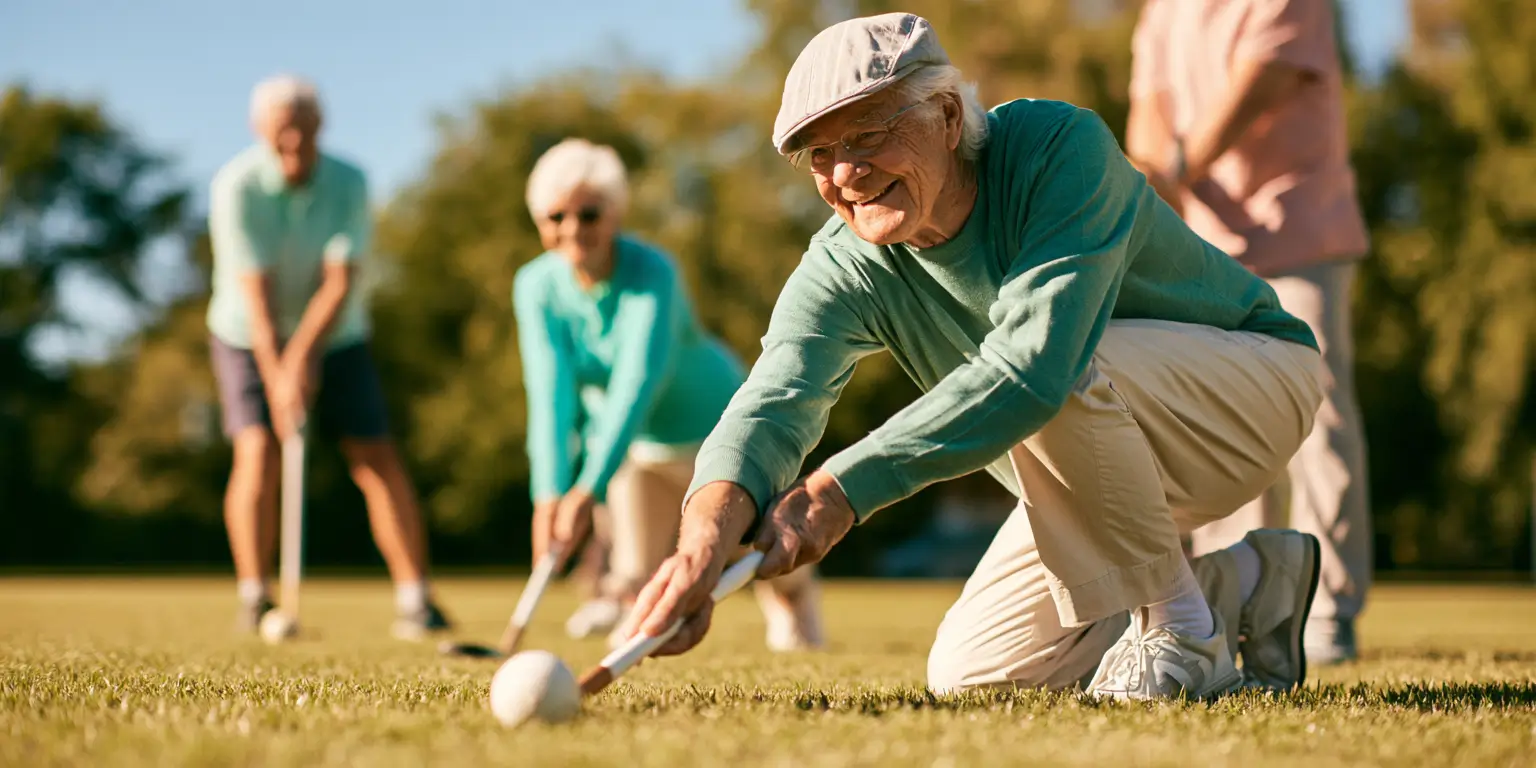
Golf is one of the best sports for seniors because it blends movement, skill, and strategy. You are not just hitting a ball; you are managing distance, wind, lie, terrain, and course conditions. That kind of mental engagement keeps the game fresh. I have always said that the best players are rarely the strongest ones. They are the ones who know how to think their way around trouble.
Golf also offers a great mix of physical and social benefits. A round usually includes walking, light rotation, balance work, and time with friends. The clubhouse culture matters too. A lot of the value comes from the conversation before and after the round, where stories get passed around and the competition stays friendly.
To protect your body on the course:
- Warm up your shoulders, hips, and lower back before teeing off.
- Avoid over-swinging; smooth tempo usually wins.
- Consider using a cart on tougher days and walking on better ones.
- Keep your grip pressure light to reduce strain.
Tennis, pickleball, and racket sports: fast feet with smart limits
Racket sports can be fantastic for seniors because they sharpen reaction time, coordination, and footwork. Tennis offers a classic challenge, while pickleball has exploded in popularity because it is easier on the body and more accessible for many older adults. Both can be social, competitive, and addictively fun.
From experience, the biggest mistake in racket sports is trying to play every point like it is the finals. That is how people get hurt. The smarter approach is controlled movement, good positioning, and making the other player work. In other words, play with your head as much as your hands.
If you want to stay safe:
- Choose the court size and pace that match your current conditioning.
- Wear shoes designed for lateral movement.
- Work on anticipation instead of chasing every shot.
- Take breaks before fatigue changes your mechanics.
Cycling: steady cardio with low impact
Cycling is a strong option for seniors who want a cardiovascular workout without pounding the joints. Whether you prefer a stationary bike, a recumbent bike, or outdoor rides, cycling builds endurance and leg strength while giving you control over intensity. That control is important. The best training plan after 60 is one you can adjust on the fly.
Outdoor cycling also gives you a sense of freedom that many former athletes miss. There is something about covering ground under your own power that feels like a small victory every time. Just make sure the route matches your current ability and that you are riding in safe conditions.
Smart cycling habits include:
- Adjusting the seat height for proper knee alignment.
- Starting with shorter rides and moderate resistance.
- Using proper helmet and visibility gear outdoors.
- Checking your bike fit to avoid back or neck strain.
Bowling: easy on the body, big on the social side
Bowling may not look like a workout, but it keeps the body active through controlled movement, balance, and repetition. It is also one of the most social sports around. A good bowling night has the same energy as a strong team meeting: some competition, some laughs, and a lot of shared rhythm.
For seniors, bowling is appealing because the movement is familiar and the risk is relatively low compared with more explosive sports. It can still challenge coordination and focus, especially when you are working on consistency. And consistency, as any athlete knows, is where real improvement lives.
Strength training and balance work: the foundation underneath every sport
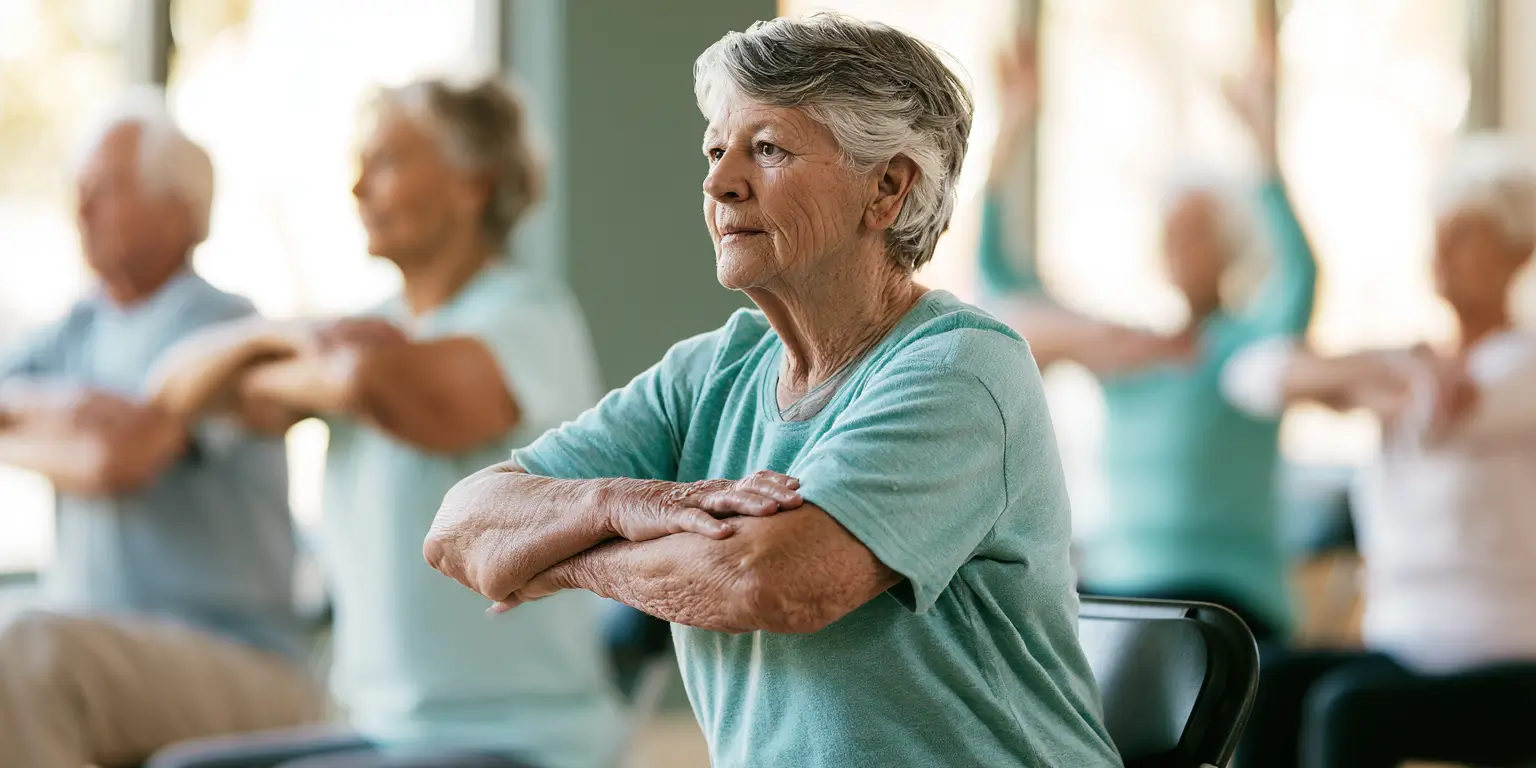
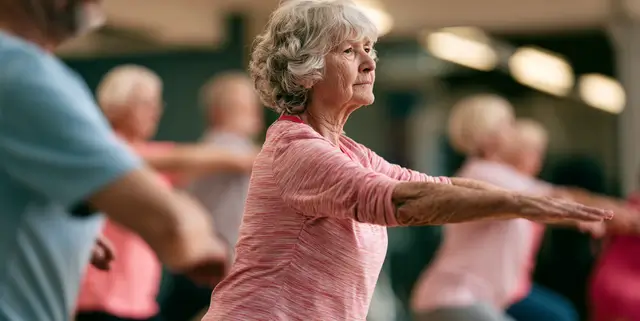
No matter which sport you choose, some light strength and balance work will make you better and help keep you safe. I have seen too many people focus only on the game and ignore the engine underneath it. After 60, your best performance often comes from the basics: legs, hips, core, posture, and balance.
Good support work can include:
- Bodyweight squats or chair stands.
- Resistance band rows and presses.
- Heel-to-toe balance drills.
- Gentle core exercises like dead bugs or modified planks.
This is not about turning every senior into a powerlifter. It is about staying stable, moving well, and reducing the chance of falls or nagging injuries. In team sports terms, strength and balance are the defense that keeps everything else working.
How to choose the right sport for your body
The right sport depends on your health, history, and personality. Some people want competition. Others want peace and routine. Some need the social part more than the exercise itself. The smartest choice is the one that fits your current season of life.
Ask yourself:
- Does this activity feel fun enough to repeat weekly?
- Can I do it without pain that lingers?
- Does it match my balance, stamina, and mobility?
- Will I enjoy the people around me?
If you have existing health conditions, it is wise to check with a healthcare professional before starting a new sport. That is not a sign of weakness. That is good game management.
Playing smart keeps the fun alive
The best sports for seniors are the ones that keep you moving without beating you up. Walk when you can, swim when your joints need relief, play golf or pickleball for strategy and social connection, and keep a little strength work in the background. That is the formula I respect most: enough challenge to stay sharp, enough recovery to stay healthy, and enough enjoyment to keep coming back.
After 60, staying active is less about proving something and more about protecting what matters. Your body, your independence, your friendships, and your ability to show up for life all benefit when you keep playing the game the right way.