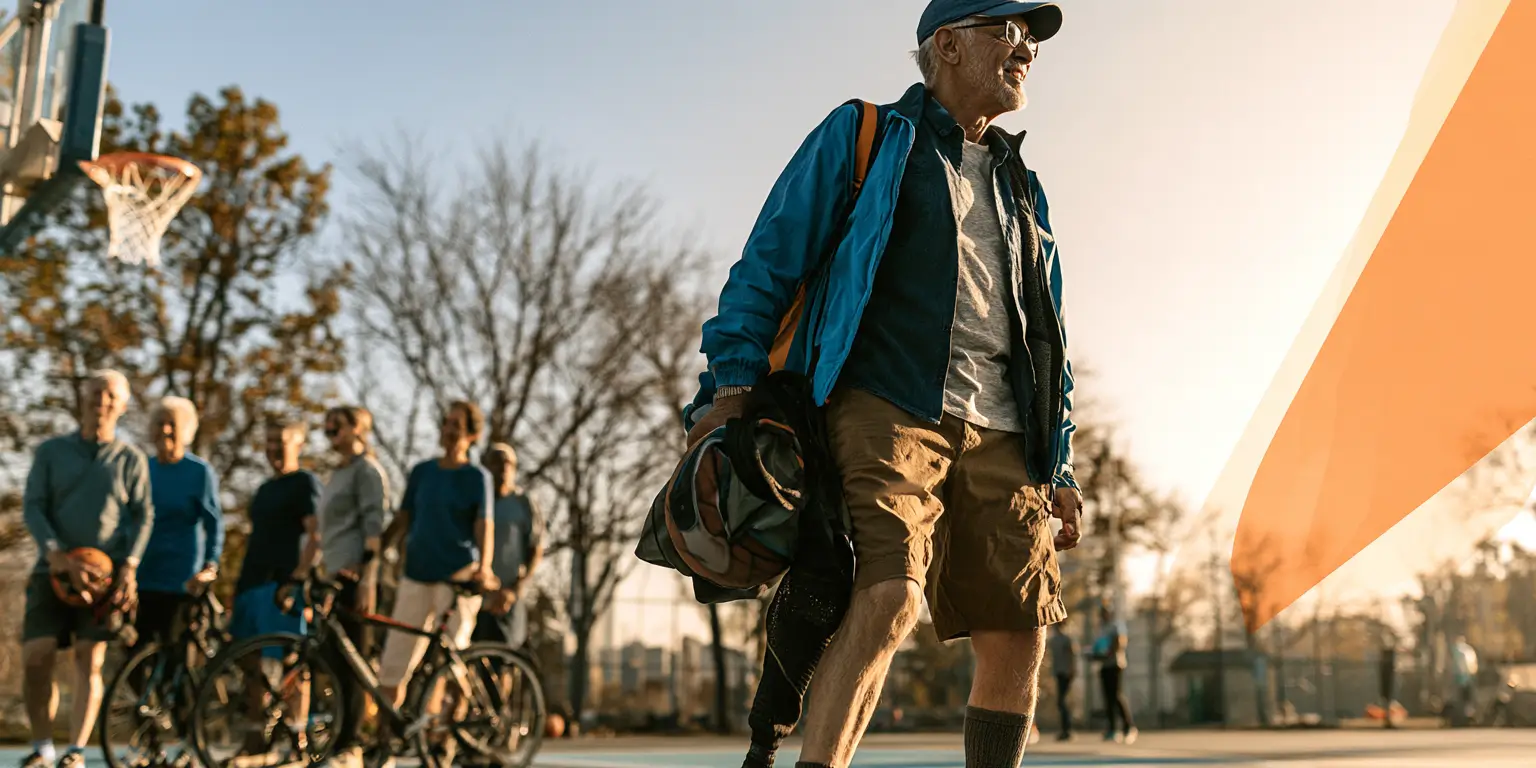
Staying active after 60 is less about chasing personal bests and more about preserving mobility, balance, and cardiovascular health with the lowest possible injury cost. That matters because fall risk rises sharply with age, and even modest activity levels can make a measurable difference. The good news: you do not need sprint intervals, heavy contact, or high-impact pounding to get real fitness returns. In many senior fitness studies, the biggest gains come from consistency, not intensity.
1. Walking: the most reliable baseline
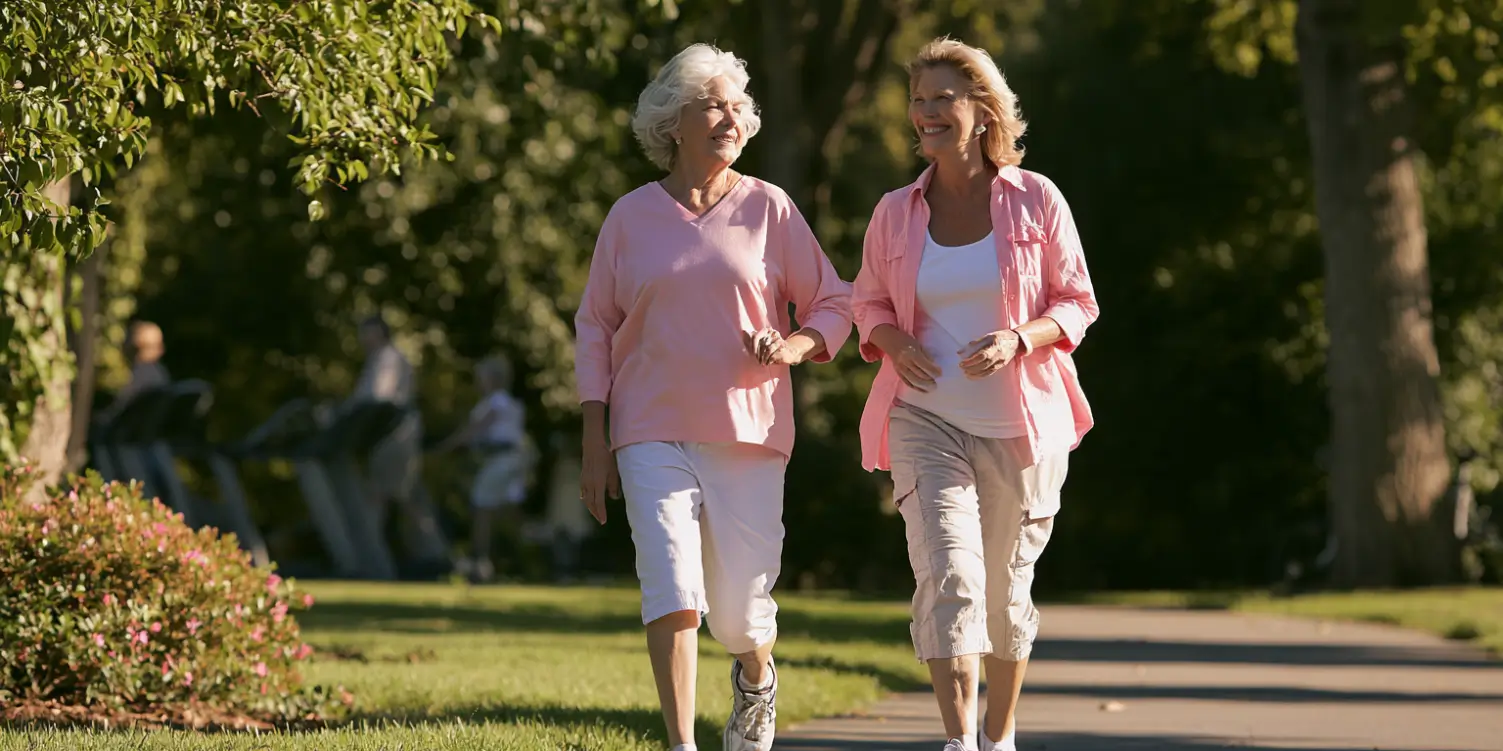
Walking remains the highest-value low-impact sport for older adults because it is scalable, accessible, and easy to dose. A brisk 30-minute walk most days can help older adults reach the commonly recommended target of around 150 minutes of moderate activity per week. That is not just a lifestyle goal; it is a risk-management strategy. Research consistently links regular walking with better blood pressure control, improved glucose regulation, and stronger functional capacity for daily tasks like climbing stairs or carrying groceries.
Statistically speaking: walking is one of the few activities with near-universal adherence potential, because participation cost is close to zero and injury risk is relatively low when footwear and pacing are sensible.
2. Swimming: joint-friendly cardio with full-body recruitment
Swimming is one of the best low-impact sports for seniors dealing with arthritis, excess body weight, or joint sensitivity. Water supports body weight, which can reduce load on hips, knees, and ankles by a large margin compared with land-based exercise. That buoyancy is why many older adults can train longer in the pool than on a treadmill.
Pool work also creates an unusual combination of aerobic conditioning and muscular endurance. Freestyle, backstroke, and water jogging can elevate heart rate without the repetitive ground reaction forces associated with running. For seniors who want a lower perceived effort for the same cardiovascular payoff, swimming is often one of the most efficient options.
3. Water aerobics: low stress, high repeatability
If swimming feels technical, water aerobics offers a simpler path into aquatic exercise. Classes often combine marching, side steps, and arm movements in chest-deep water, which can reduce effective body weight while still challenging the heart and muscles. The biggest advantage is repeatability: because the impact is minimal, many seniors can attend several sessions per week without the soreness that often discourages land-based programs.
From a training perspective, water aerobics is excellent for consistency. Programs that seniors can sustain over months typically outperform more ambitious routines that are abandoned after two or three weeks. In that sense, the pool is not just gentle; it is strategically effective.
4. Cycling: efficient conditioning with controlled joint load
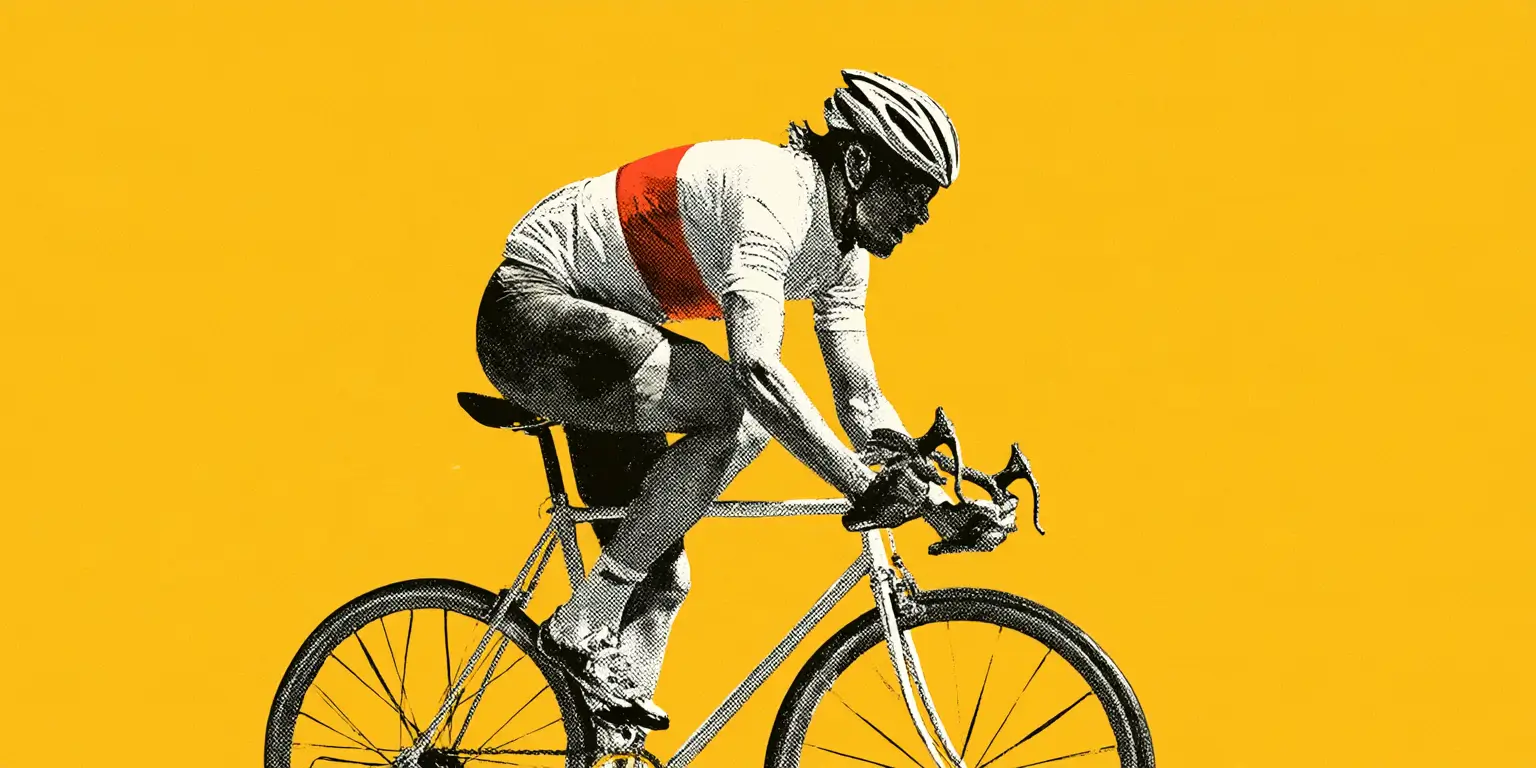
Stationary cycling and recreational cycling are both strong low-impact choices for seniors. Unlike running, cycling uses a seated position that substantially reduces impact forces while still elevating heart rate and improving leg endurance. It is especially useful for people whose knees tolerate motion better than load-bearing shock.
Indoor bikes also allow precise control over resistance and cadence, which makes cycling easy to personalize. A senior can ride at a steady moderate pace for 20 to 40 minutes, building aerobic fitness without the pounding associated with higher-impact sports. For many older adults, cycling offers a favorable ratio of calorie expenditure to orthopedic stress.
5. Golf: walking, rotation, and social benefits
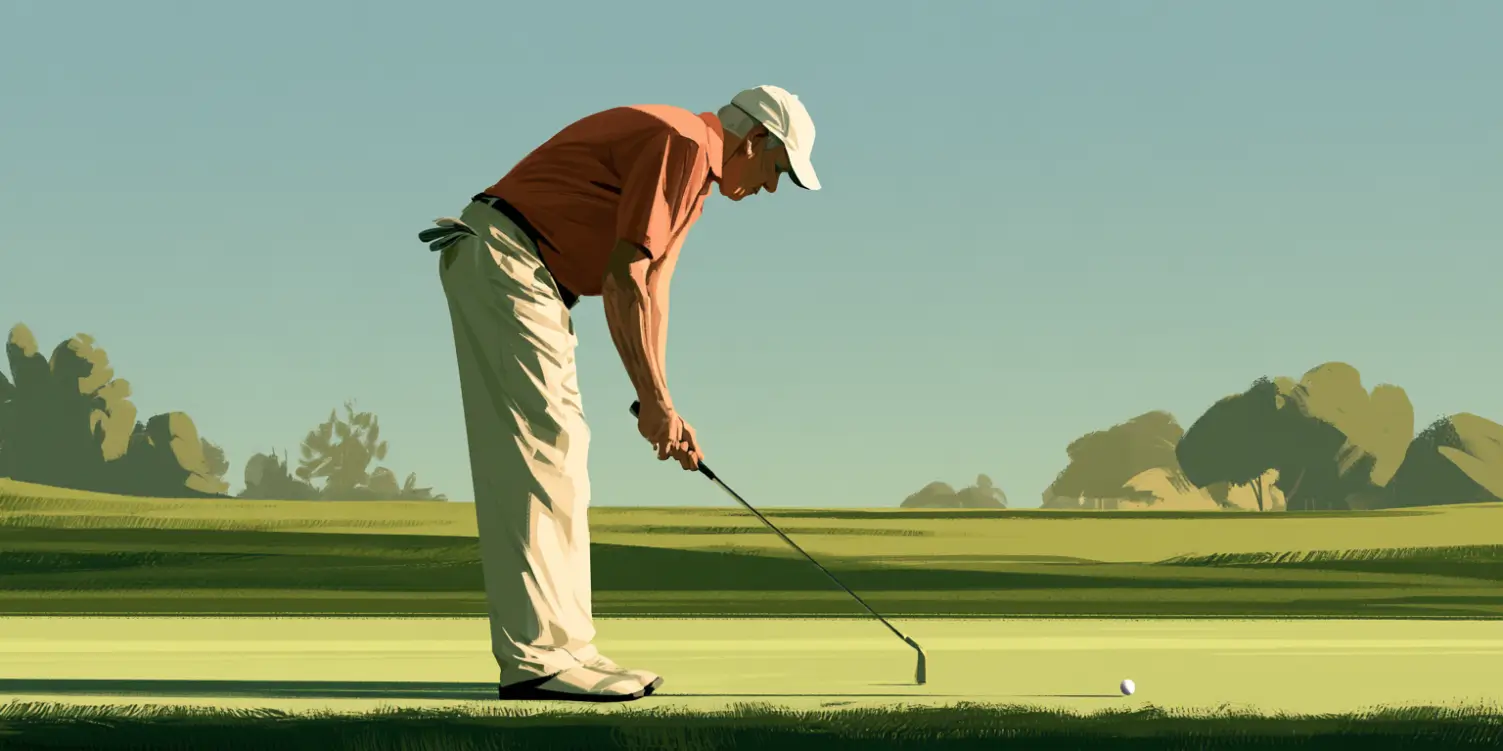
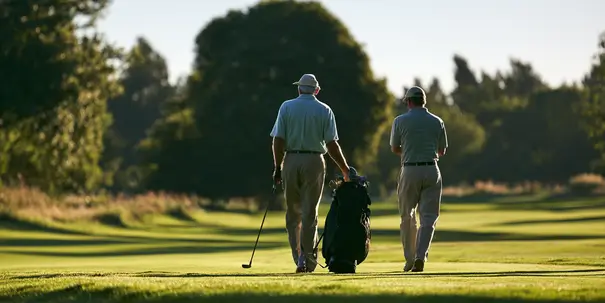
Golf may not look like a workout at first glance, but it provides meaningful movement through walking, swinging, and carrying or pushing equipment. An 18-hole round can add thousands of steps, depending on course length and whether a cart is used. Even a 9-hole round can offer a respectable activity dose when played on foot.
Golf also supports trunk rotation, balance, and hand-eye coordination. Those are not trivial traits in older adults, because coordination tends to decline with age unless it is regularly trained. The social component matters too: activities with a strong social payoff usually have better long-term participation rates, and adherence is the real hidden statistic behind fitness success.
6. Tai chi: balance training disguised as movement
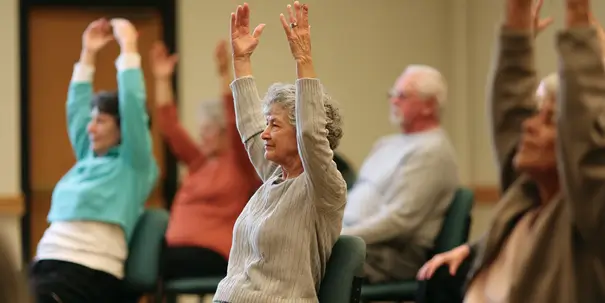
Tai chi is not a sport in the traditional competitive sense, but it belongs on any low-impact senior movement list because of its exceptional balance and stability benefits. Slow, controlled transitions challenge proprioception, weight shifting, and lower-body control. That is especially valuable because falls are one of the leading causes of injury-related decline in older adults.
Unlike exercises that focus mainly on heart rate, tai chi emphasizes movement quality. Studies often show improvements in balance confidence and reduced fall risk after regular practice. For seniors, that can translate into more independence and a lower likelihood of losing function after a minor stumble.
7. Pickleball: low-impact, but not low-engagement
Pickleball has surged because it hits a sweet spot: it is competitive, social, and less punishing than tennis. The court is smaller, the ball is slower, and the serving underhand reduces strain compared with overhead-racket sports. While it is still more dynamic than walking or swimming, many seniors find it manageable when played at a recreational pace.
The key is dosage. Pickleball can stay low-impact if players avoid overextending for every shot and prioritize footwork over lunging. It delivers quick reaction training, lateral movement, and coordination, all of which can decline with inactivity. The sport’s popularity among older adults is not accidental; it offers a high enjoyment-to-effort ratio, which is often the best predictor of long-term adherence.
8. Rowing machine: full-body work with seated support
Indoor rowing is a strong option for seniors who want a more complete workout without standing impact. Because the movement is seated and cyclical, it can build aerobic fitness while involving the legs, back, and arms. Proper technique is important, but when done correctly, rowing distributes workload efficiently and avoids the repetitive shock of running or jumping.
The rower is especially useful for older adults who want measurable progress. Time, pace, and stroke rate are easy to track, making it simple to compare performance across weeks. That feedback loop is valuable, because visible progress tends to increase adherence by a meaningful margin.
What makes low-impact sports effective?
The common thread across these activities is not softness; it is sustainability. Seniors do best when exercise can be repeated week after week with low injury probability and reasonable recovery demands. A program that keeps someone active 45 weeks out of 52 will usually outperform a more intense plan that causes pain, fear, or burnout after six weeks.
Useful metrics to watch:
- Weekly minutes: aim for consistency first, then gradually build toward 150 minutes of moderate activity.
- Balance challenges: include movements that force single-leg stability or directional change.
- Perceived exertion: moderate effort should feel sustainable, not exhausting.
- Recovery time: if soreness lasts more than 48 hours, the dose may be too high.
Choosing the right option for your body
The best low-impact sport is the one that matches your joints, fitness level, and personality. A person with knee arthritis may thrive in the pool, while someone motivated by social competition might stay more active through pickleball or golf. If balance is the main concern, tai chi and walking can be a strong pairing. If aerobic conditioning is the priority, cycling and swimming are hard to beat.
The numbers point to the same message: seniors do not need extreme training to produce meaningful health gains. They need movement that is repeatable, joint-conscious, and enjoyable enough to become routine. In fitness, the safest plan is often the one that can be kept for years rather than weeks.