Staying active after 60 is not about trying to move like you did at 25. It’s about keeping your engine running, protecting your joints, and staying sharp enough to enjoy the day-to-day wins that matter most. I’ve spent enough time around locker rooms to know this: the athletes who last are the ones who learn how to train smarter, not harder. That lesson applies just as well in your 60s, 70s, and beyond.
The goal is simple: build a routine that keeps you moving without wearing you down. Walking, swimming, cycling, and other low-impact sports give you the cardiovascular benefits, balance work, and muscle support you need while taking pressure off the body. If you choose the right mix and stay consistent, you can keep your stamina, confidence, and independence strong for years.
Walking: the foundation that never goes out of style
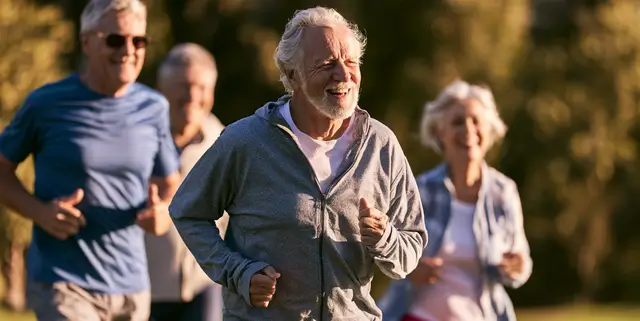
Walking is one of the most underrated tools in fitness. It’s low-cost, low-risk, and easy to fit into a daily rhythm. In sports, we used to call this base work — the kind of steady effort that builds the engine without making a lot of noise. For adults over 60, walking does the same thing for heart health, circulation, balance, and mood.
Start with a pace that lets you talk but still feel your breathing pick up a little. That’s the sweet spot. If you’re new to regular movement, even 10-minute walks after meals can make a real difference. Those short sessions help digestion, steady blood sugar, and keep the legs from getting stiff.
Smart walking habits:
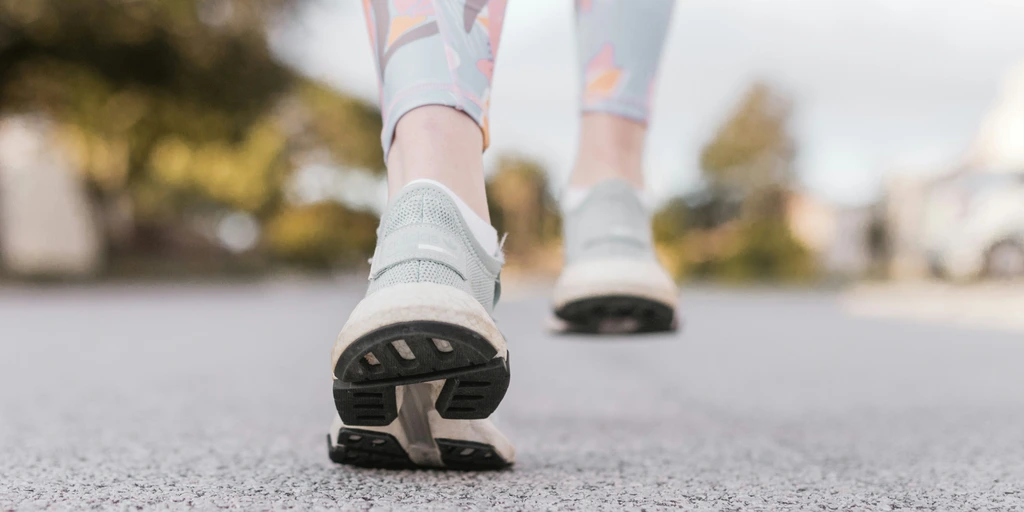
- Wear supportive shoes with good grip.
- Use a flat, safe route before adding hills.
- Warm up with a few easy minutes before picking up the pace.
- Stay tall through the chest and swing the arms naturally.
One of the best parts of walking is that it can be social. A walking partner brings accountability, and accountability is a lot like a good teammate — it keeps you honest on the days you’d rather sit down.
Swimming: full-body conditioning with less joint stress
If your knees, hips, or back complain when you move, swimming is often the best answer. Water supports your body weight, which means you can work your heart and muscles without pounding the pavement. That’s why so many athletes use pool work during recovery periods. It lets you stay in shape while giving the joints a break.
Swimming trains the upper body, core, and legs at the same time. It also helps with breathing control, which matters more than people realize. Good breathing is part of good movement. In the pool, you learn rhythm, patience, and efficiency — all things that carry over into everyday life.
If you’re not a strong swimmer, you don’t need to jump straight into long laps. Water walking, gentle aqua aerobics, and short intervals of freestyle or backstroke can still deliver excellent benefits. The key is consistency and comfort.
Pool session ideas:
- 5 minutes of easy water walking or floating movements
- 6 to 10 lengths at a relaxed pace
- Short rest breaks between rounds
- Finish with light stretching in the water or on deck
The pool is also a great place to rebuild confidence if you’ve had an injury or taken time off. In my playing days, a good rehab session in water always felt like getting back in the game without taking hits.
Cycling: steady cardio with a smooth ride
Cycling gives you a strong cardiovascular workout with far less impact than running. Whether you’re riding outdoors or using a stationary bike, the motion is smooth, repetitive, and joint-friendly. It’s especially useful for building leg strength and endurance without overloading the ankles, knees, or hips.
There’s also a mental benefit to cycling. A good ride can clear your head and break up the day. That matters because staying active is not just about muscles — it’s about staying engaged. The best routines are the ones you actually enjoy enough to repeat.
If balance is a concern, a stationary bike can be a safer place to start. If you prefer outdoor rides, choose bike paths or quiet streets and make sure your bike fits you properly. A seat that’s too low or handlebars that force you to hunch can turn a good workout into a sore back.
Cycling tips for older adults:
- Adjust the seat so your leg has a slight bend at the bottom of the pedal stroke.
- Start with 10 to 20 minutes and build gradually.
- Keep resistance moderate at first.
- Always wear a helmet outdoors.
Think of cycling as tempo work: steady, controlled, and repeatable. That’s how you build fitness without burning out.
Low-impact sports that keep the competitive edge alive
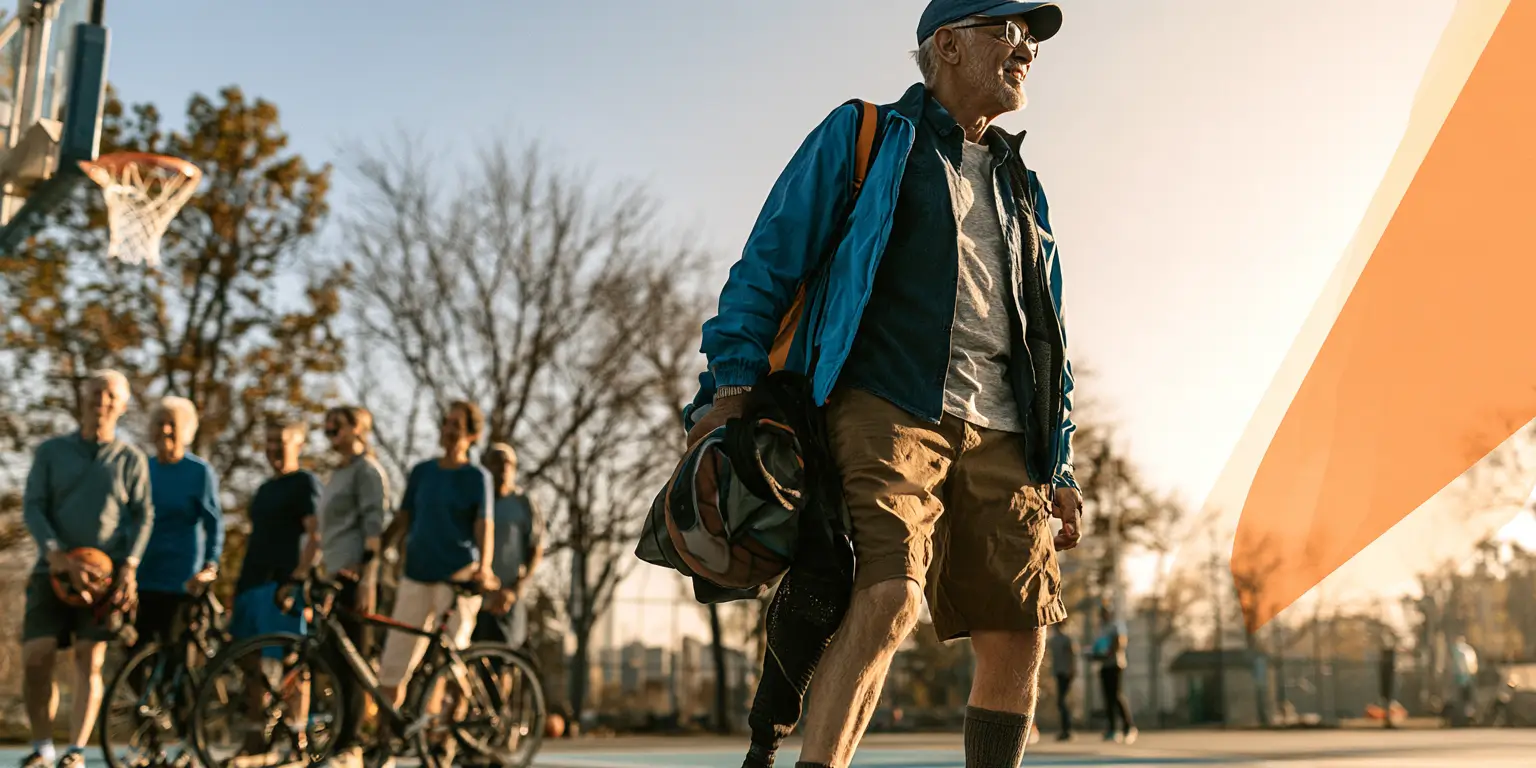
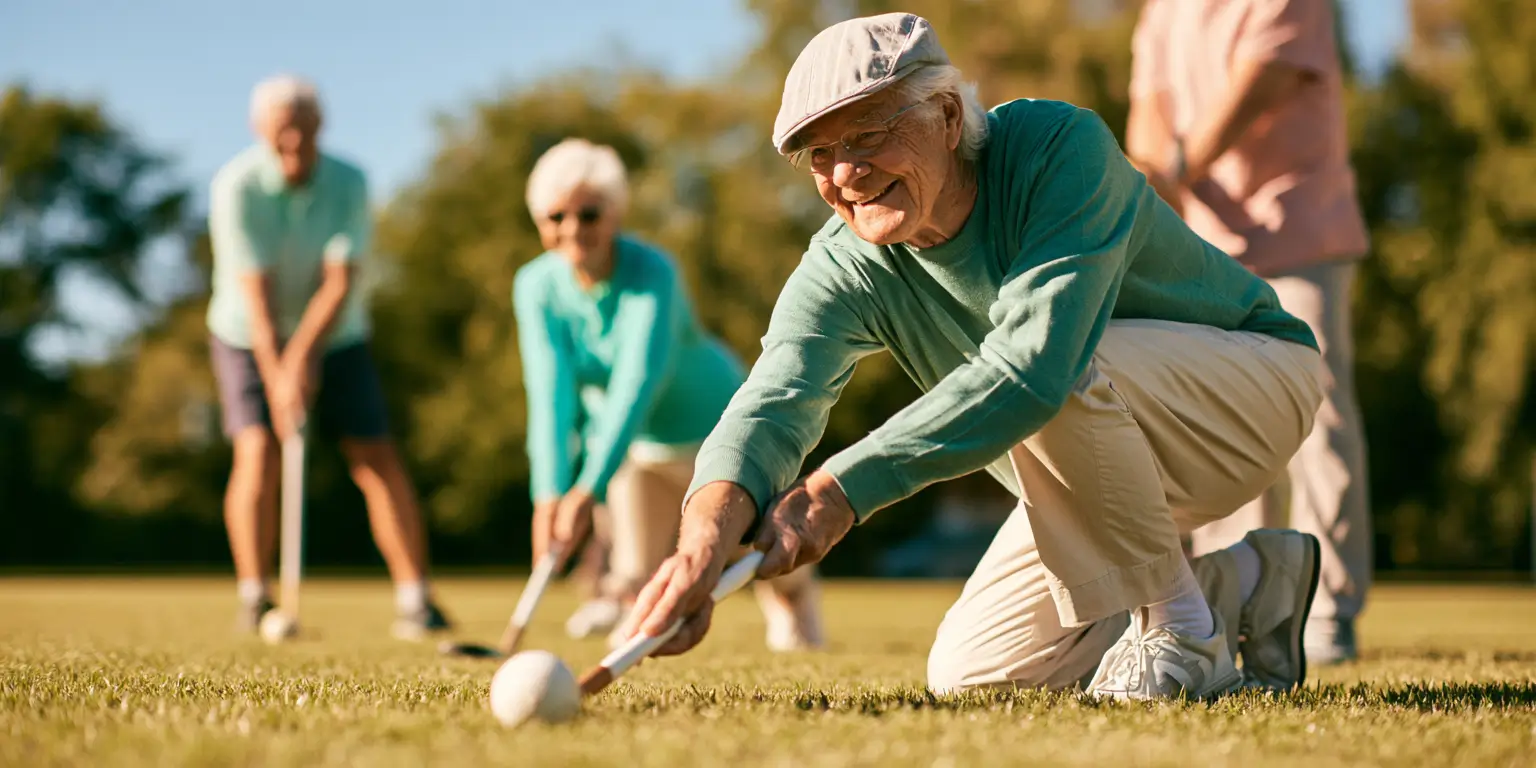
You don’t have to give up sport just because you want to protect your body. There are plenty of low-impact options that keep the competitive spirit alive while reducing wear and tear. Golf, pickleball, doubles tennis, bowling, tai chi, and even recreational rowing can all be excellent choices depending on your mobility and interests.
The trick is choosing activities that challenge you without demanding too much from the joints. Doubles play, for example, cuts down on court coverage while keeping the social and strategic parts of the game. Pickleball has become popular for a reason: short bursts, quick reactions, and a strong community feel. That locker-room chemistry — the joking, the encouragement, the shared reps — matters more than people think.
Good low-impact options to consider:
- Pickleball for hand-eye coordination and light agility
- Golf for walking, balance, and rotation
- Doubles tennis for skill and teamwork
- Bowling for coordination and lower-body control
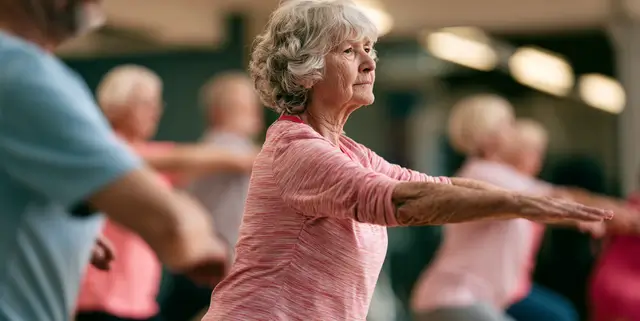
- Tai chi for balance, posture, and calm focus
These activities give you a reason to stay sharp. They challenge reaction time, timing, and body awareness in ways that keep daily movement easier.
How to build a weekly routine that sticks
The best plan is the one you can repeat without dreading it. Mix your activities so your body gets variety and your mind stays fresh. A balanced week might include walking on most days, swimming once or twice, cycling a few times, and one or two social sports sessions. That spread gives you endurance work, recovery work, and fun — which is a powerful combination.
A simple weekly structure:
- Monday: 20 to 30 minute walk
- Tuesday: Swim or water aerobics
- Wednesday: Easy cycling
- Thursday: Walk with light hills
- Friday: Low-impact sport or group activity
- Weekend: Longer walk, bike ride, or active recreation
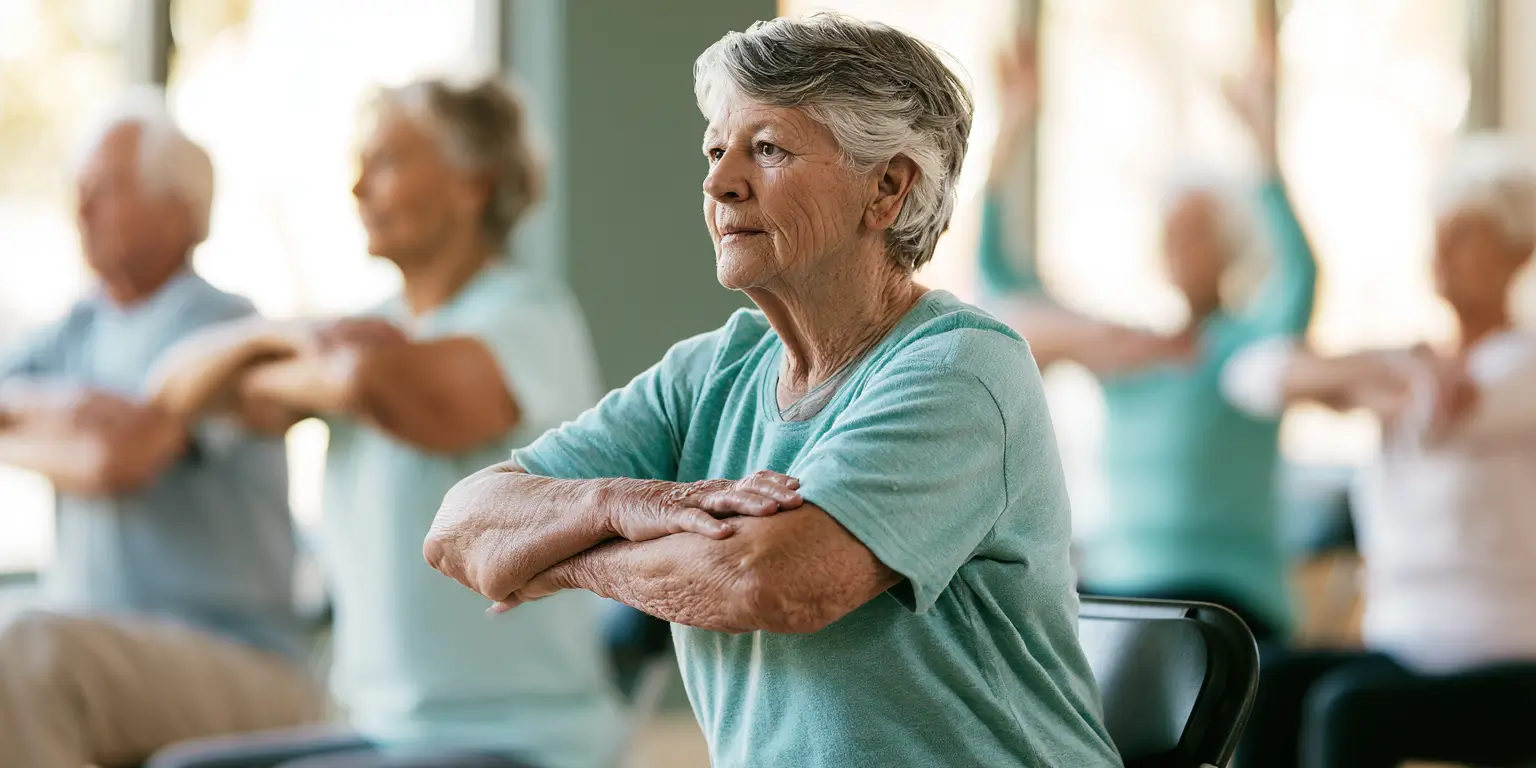
Before every session, take a few minutes to warm up your joints: ankle circles, shoulder rolls, gentle leg swings, and slow marching in place. Afterward, cool down with light stretching and steady breathing. That’s how you keep the body feeling ready instead of beaten up.
Staying active after 60 is less about proving something and more about preserving what you’ve built. Keep moving, stay connected, and choose activities that treat your body with respect. If you do that, you’ll keep more than fitness — you’ll keep your freedom.