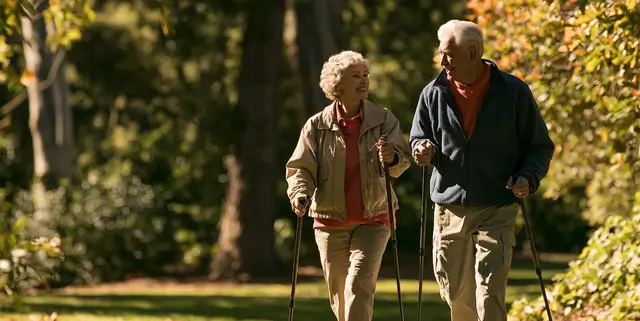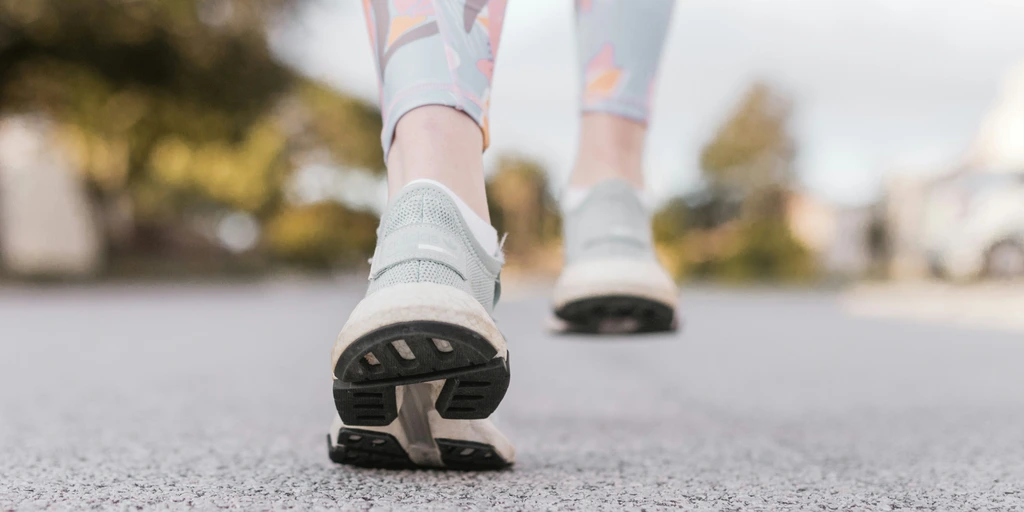
Walking is the most underrated performance drug on the planet. Not supplements. Not cryotherapy. Not the latest smartwatch lie telling you that you need 11,237 steps before you are allowed to feel smug. Just walking — and, more specifically, walking faster than your comfort zone politely prefers.
Here is the unpopular truth: most people treat walking like background noise, a harmless little activity for people who “don’t really exercise.” That attitude is exactly why they age like a houseplant left near a radiator. Walking at a brisk pace is not beneath you. It is one of the simplest ways to protect your heart, preserve muscle, sharpen your brain, and keep the body from gradually turning into a creaky negotiation with gravity.
Why speed matters more than people want to admit
Slow walking is fine. Slow walking is pleasant. Slow walking is what happens when you are window shopping, avoiding an ex, or drifting through a Sunday afternoon with no ambition. But if the goal is to push back against aging, pace matters. A faster walking speed tends to challenge the cardiovascular system in a way that lazy strolling simply does not.
When you walk briskly, your heart has to work harder, your lungs have to keep up, and your muscles have to participate instead of merely hanging on for the ride. That is the point. The body adapts to demand. Give it a soft, optional demand and it responds with softness. Give it regular, purposeful effort and it becomes more resilient.
Brisk walking is exercise with a low ego and a high return. You do not need a gym membership, special shoes with a personality, or a complicated routine that requires three apps and a spreadsheet. You need intent. If your walk looks like you are late for a meeting you actually care about, you are probably in the right zone.
The real anti-aging benefit is not vanity, it is function
People hear “anti-aging” and immediately think wrinkles, skincare, and pretending to drink more water. That is cosmetic thinking. The real prize is function: the ability to get up, move well, recover quickly, and stay independent longer. Fast walking helps support all of that.
It encourages circulation, which matters because every tissue in your body is basically a diva that wants a steady supply of oxygen and nutrients. It can help improve balance and coordination because movement at a quicker pace forces the body to organize itself better. It also helps maintain a healthier body composition when paired with a decent diet, which is annoying for anyone hoping to outsmart biology with a weekly sauna session.
And yes, faster walking can also support mental sharpness. There is something deeply anti-decline about moving with purpose. Brisk walking wakes up the nervous system. It tells your brain, we are still in this.
The step count obsession is overrated
Let us be honest: the cult of step counting has become weird. People argue over numbers as if the difference between 8,000 and 10,000 steps is a moral issue. It is not. What matters more is what those steps are doing for you.
Ten thousand lazy steps can be less useful than 6,000 brisk, deliberate ones. Intensity matters. Effort matters. A walk that slightly elevates your breathing, increases your stride length, and gets your arms involved will usually do more than a meandering shuffle while you stare at your phone and pretend that doomscrolling is cardio.
If you want the walk to actually protect your health, make it count. Keep your posture tall. Swing your arms. Look ahead instead of at the sidewalk like it owes you money. Walk with enough urgency that your body notices.
How to walk faster without turning it into a military drill
You do not need to become a sidewalk tyrant. The goal is not to stomp down the street like you are training for a heist. The goal is simply to make your normal walk more demanding.
- Shorten the warm-up, then build pace — Start easy for a minute or two, then increase speed until you are breathing a bit harder but can still speak in short sentences.
- Use landmarks — Walk one block briskly, then recover. Repeat. This keeps the effort honest without making it miserable.
- Engage your arms — Arm swing is not decoration. It helps create rhythm and can increase walking speed naturally.
- Choose an annoying route — Hills, stairs, and uneven terrain are not enemies. They are upgrades.
- Leave the phone in your pocket — If you are distracted enough to forget you are walking, you are probably not walking hard enough to trigger much adaptation.
Faster walking is the gateway drug to better habits
Here is the sneaky part nobody advertises: once you get used to walking faster, you start acting differently in other parts of life. You stand up straighter. You move with more purpose. You become less willing to spend entire afternoons welded to a chair. That matters more than people think.
Momentum is contagious. A person who walks briskly today is more likely to stretch tomorrow, take the stairs instead of the elevator, and maybe even do some resistance training before the excuses get organized. Healthy behavior rarely arrives in dramatic cinematic montages. It arrives through repeated proof that you can do a little more than you did yesterday.
Fast walking is not glamorous, and that is exactly why it works. It does not require identity politics around fitness. You do not have to become a runner, a cyclist, or the kind of person who posts sweaty mirror selfies with captions about discipline. You just have to walk like your future self is worth a few extra breaths.
The uncomfortable truth about aging
Aging is not only about time. It is also about disuse. Bodies do not love being ignored. The less you ask of them, the more they quietly decommission themselves. That is why the humble brisk walk deserves more respect than it gets. It asks enough to matter, but not so much that it becomes an excuse factory.
If you are waiting for the perfect workout plan, you are already losing. If you are waiting to feel motivated, you will likely spend a long time sitting down. Walking faster is the opposite of that paralysis. It is immediate, cheap, and brutally practical.
So yes, walk faster. Not because it is trendy. Not because it will make you look like a wellness influencer who owns 14 water bottles. Walk faster because it is a refusal to age passively. Walk faster because your body needs a signal that it is still expected to perform. Walk faster because the simplest habits are often the ones with the biggest consequences.
Age slower by moving with intent. Put some pace behind the steps. Your future knees, heart, and brain will not write you a thank-you note, but they will absolutely notice.