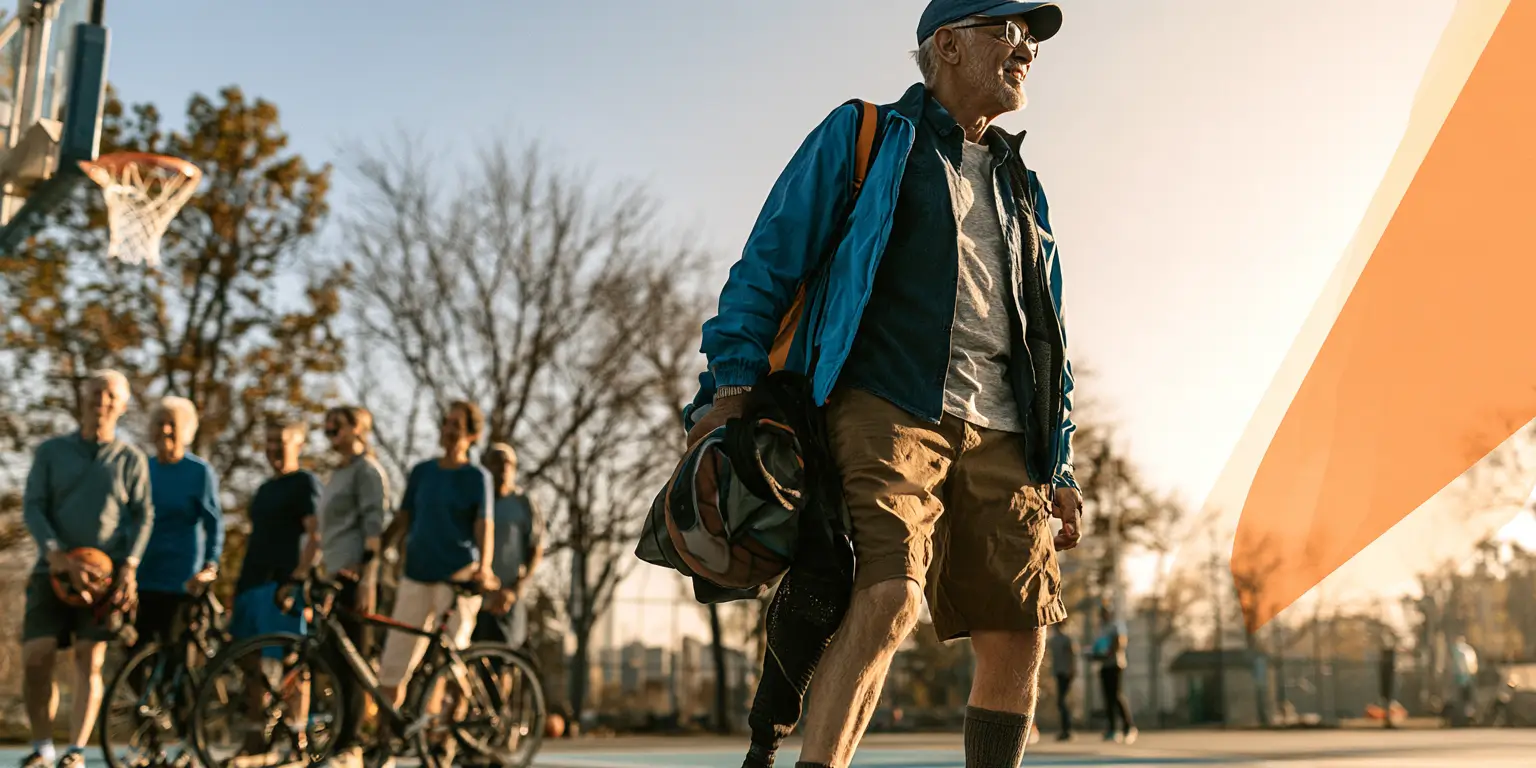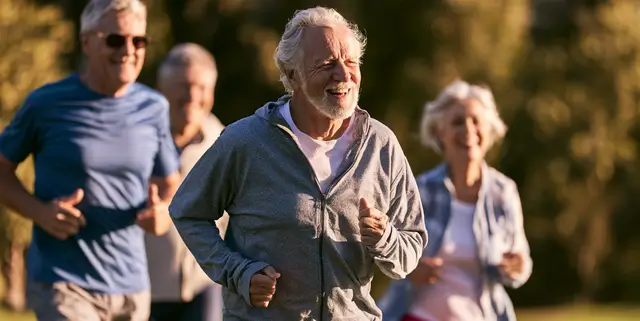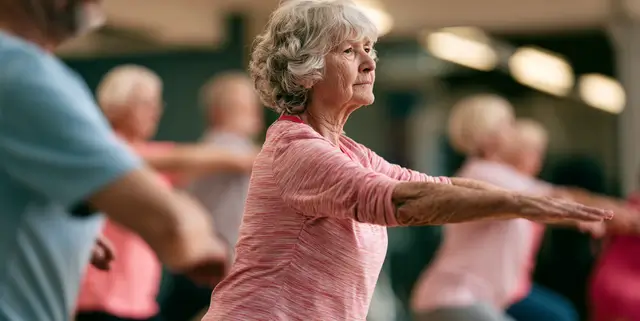
Let’s stop pretending that getting older means getting fragile. It doesn’t. What usually gets people is not age itself, but the slow, sneaky habit of doing less and calling it “rest.” Rest is fine. Retirement from movement is not. The best exercises for seniors are not fancy, punishing, or trendy. They are the ones that keep you strong enough to carry groceries, steady enough to avoid a nasty fall, and fit enough to enjoy your life without every staircase feeling like a betrayal.
The truth is, a lot of fitness advice for older adults is either patronizing or unrealistic. Nobody needs a circus of equipment, a bootcamp whistle, or a neon green smoothie to stay healthy. Seniors need smart, simple movement that respects joints, improves balance, and keeps the body useful. That is the real goal: usefulness. Not abs. Not influencer glory. Usefulness.
Walking: the most underrated exercise on earth
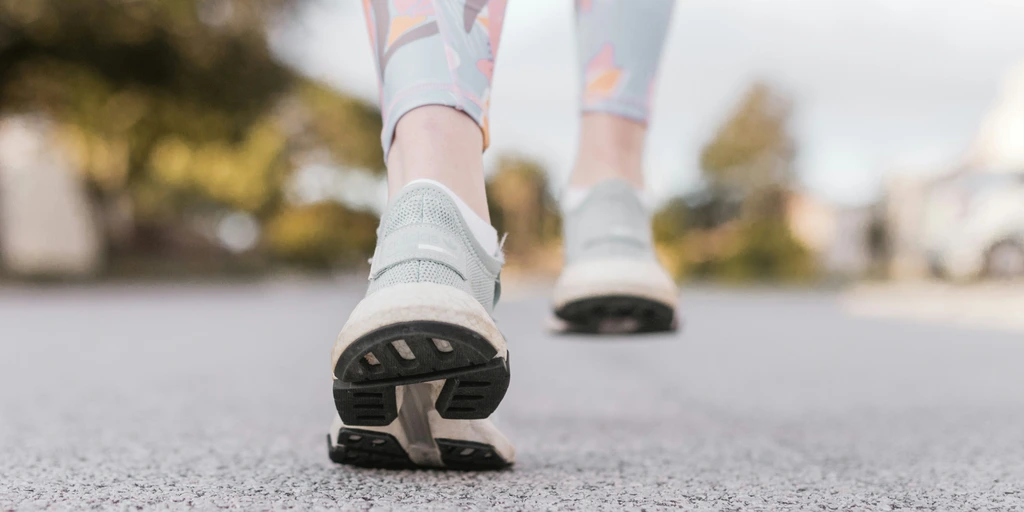
Walking gets dismissed because it looks too easy. That is exactly why it works. It is the exercise people ignore right up until they can’t do it comfortably anymore. A daily walk helps the heart, lungs, legs, mood, and even sleep. It also keeps the hips and knees from turning into grumpy old machinery.
The trick is not to romanticize walking. You do not need to march like you are training for a military parade. You just need consistency. A brisk 20 to 30 minute walk most days is enough to make a serious difference. If that sounds too much, break it into smaller chunks. Ten minutes after breakfast, ten after lunch, and ten after dinner absolutely counts. Fitness snobs love to mock little efforts. Ignore them. Small efforts repeated are how people stay active for decades.
Why walking matters:
- Supports heart health
- Improves circulation
- Helps maintain mobility
- Boosts balance and confidence
- Can reduce stiffness and joint pain
Strength training: because muscles do not keep themselves
Here is the uncomfortable truth: muscle loss accelerates with age if you do nothing about it. That is why strength training is not optional for seniors. It is one of the best defenses against weakness, falls, and the annoying business of struggling to open jars, stand from chairs, or lift laundry without muttering curses.
You do not need to become a bodybuilder. You need enough strength to stay independent. That can mean using light dumbbells, resistance bands, or even bodyweight exercises. Two or three sessions a week is a great target. Focus on slow, controlled movements rather than ego lifting. The goal is not to impress anyone. The goal is to make everyday life easier.
Best beginner-friendly strength moves:
- Chair squats
- Wall push-ups
- Seated leg lifts
- Resistance band rows
- Light dumbbell shoulder presses
Chair squats are especially useful because standing up from a chair is a real-life movement, not a gym fantasy. If you can train that, you are training something that actually matters. That is the whole point.
Balance exercises: boring until you need them
Balance training is the exercise category people skip because it feels too simple. Then one little stumble turns into a broken wrist or a long recovery. Balance work is not glamorous, but neither is falling. If you want to keep doing your own shopping, gardening, dancing, or traveling, balance belongs on the list.
Balance can be trained in surprisingly ordinary ways. Standing on one foot while holding a counter. Heel-to-toe walking in a hallway. Gentle side steps. Tai chi. Even moving slowly and deliberately helps teach the body control. A few minutes a day can sharpen stability and reduce the risk of falls.
Try these balance exercises:
- Single-leg stands with support nearby
- Heel-to-toe walk
- Standing marches
- Side leg raises
- Tai chi or balance classes
Some people act like balance training is only for the frail. That attitude is backwards. Balance training is for anyone who wants to stay upright, which should be everyone.
Flexibility and mobility: not the same thing, and both matter
Flexibility gets all the attention, but mobility is the real prize. Flexibility is how far a muscle can stretch. Mobility is how well a joint can move through a useful range. Seniors need both. If you can bend but not move smoothly, or move but feel stiff all the time, your body is sending a not-so-subtle complaint.
Gentle stretching after a walk or workout can help reduce tightness. Mobility drills, like shoulder rolls, ankle circles, and hip openers, keep joints from locking into the same dull patterns every day. None of this has to look dramatic. In fact, the more ordinary it seems, the more likely you can stick with it.
Good mobility habits include:
- Neck and shoulder rolls
- Ankle circles
- Gentle spinal twists
- Hip circles
- Calf and hamstring stretches
Do not confuse discomfort with effectiveness. Stretching should feel like relief, not punishment. If an exercise leaves you wincing, you are probably trying too hard.
Swimming and water workouts: exercise disguised as comfort
For seniors with arthritis, joint pain, or just a deep hatred of sweaty misery, water exercise is a gift. Swimming and water aerobics reduce the load on joints while still offering a solid workout. Water supports the body, which means you can move more freely and with less pain. That is not cheating. That is smart.
Water workouts can improve cardiovascular fitness, strengthen muscles, and make movement feel less intimidating. Many people who avoid land exercise find the pool surprisingly welcoming. The water also adds natural resistance, so even simple movements can become effective.
If you are nervous about swimming laps, do not force it. Walking in the shallow end, gentle kicking, or joining a beginner water aerobics class can be enough. The best workout is the one you will actually do, not the one that sounds impressive in conversation.
Cycling and stationary bikes: easy on joints, hard on excuses
Cycling is another excellent low-impact option for older adults. A stationary bike in particular is great because it removes the balance challenge while still giving your legs, heart, and lungs a workout. It is one of the rare forms of exercise that can feel almost luxurious while still being productive.
For seniors who want to protect knees and hips, cycling can be a safer alternative to running. It builds endurance and leg strength without pounding the joints into submission. Start with short sessions and gradually increase time as comfort improves. Even 10 to 15 minutes can be useful if you’re just getting started.
Some people assume low impact means low value. Wrong. Low impact often means sustainable, and sustainable wins every time.
Chair exercises: the secret weapon nobody wants to respect
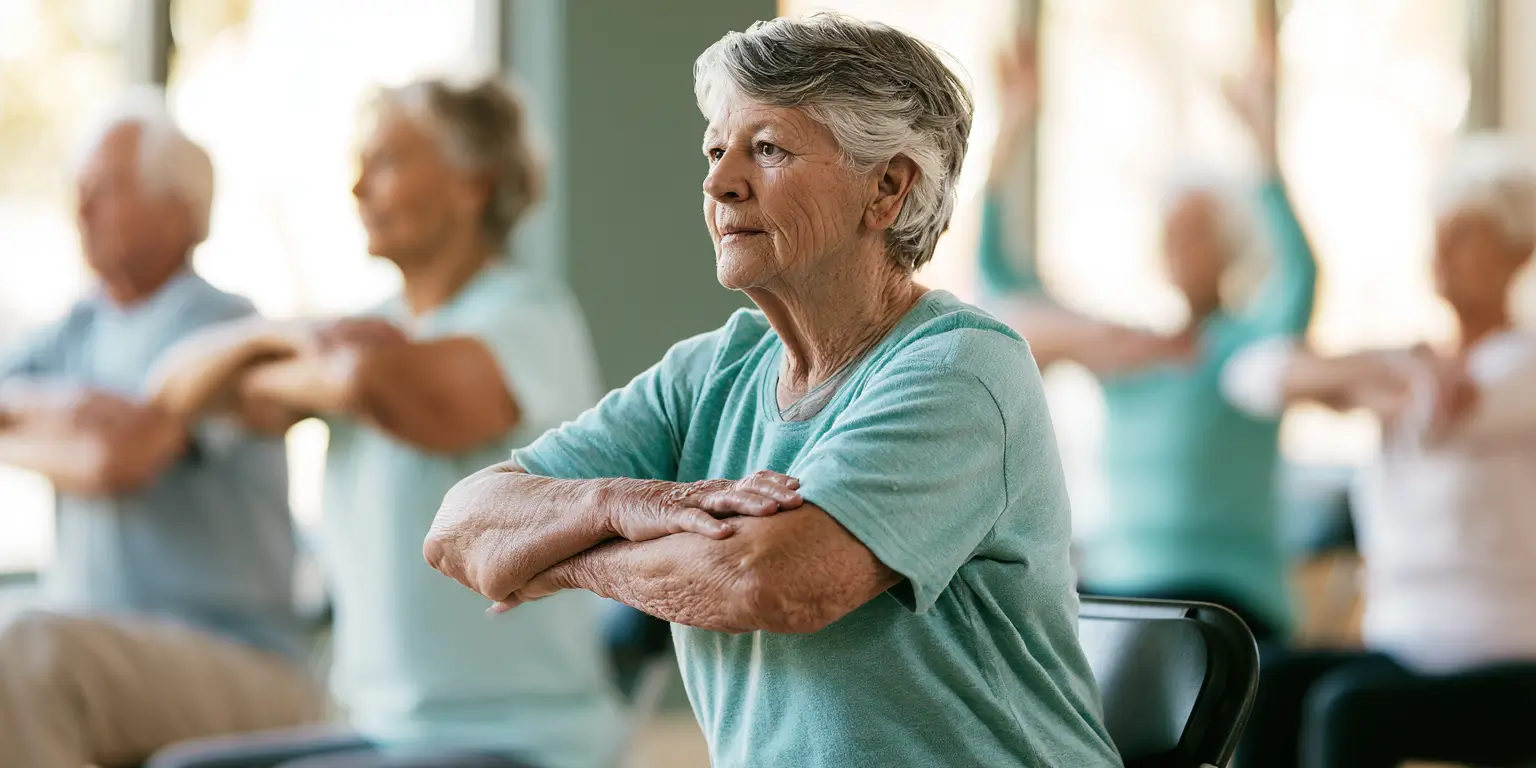
Chair exercises are often treated like the backup plan, but they deserve more credit. For seniors with limited mobility, poor balance, or recovery needs, chair workouts can provide a safe and effective entry point into regular movement. They are not lesser exercise. They are practical exercise.
Seated marching, arm raises, seated twists, and leg extensions can build strength and improve circulation without requiring you to worry about stability. Chair exercise can also help people transition back to standing movement over time. That is a major victory, even if the fitness world pretends otherwise.
Useful chair-based moves:
- Seated marches
- Arm circles
- Seated leg extensions
- Torso twists
- Overhead reaches
The point is not to stay seated forever. The point is to keep moving in a way your body can handle today.
What seniors should not do: a few hard truths
There is no medal for overdoing it. Seniors do not need extreme workouts, especially if they are just starting or returning after a long break. The fastest way to quit is to act like every workout must destroy you. It should challenge you, yes. It should not flatten you.
Also, pain is not a trophy. Mild muscle soreness can be normal. Sharp pain, dizziness, chest discomfort, or joint pain that worsens are not things to push through. That is your body filing a complaint. Listen to it.
Avoid these common mistakes:
- Starting too hard too fast
- Skipping warm-ups
- Ignoring balance work
- Neglecting strength training
- Doing nothing because you think it is “too late”
“Too late” is one of the most useless lies in fitness. People improve at 70, 80, and beyond. The body is more adaptable than we give it credit for, especially when you stop treating movement like a punishment.
How to build a simple weekly routine
The best exercise plan for seniors is the one that fits real life. Not fantasy life. Real life. That means a routine that is easy to remember, hard to sabotage, and flexible enough for bad weather, sore joints, or busy days.
A balanced week might look like this:
- Walking: most days of the week
- Strength training: 2 to 3 days per week
- Balance work: daily or near-daily
- Stretching or mobility: after activity or before bed
- Water exercise or cycling: 1 to 2 times per week if available
Keep it simple. You do not need a color-coded spreadsheet to move your body. You need habits. A short walk after lunch. A few chair squats before the evening news. A balance drill while waiting for the kettle. This stuff adds up fast.
The real goal: independence, energy, and a little rebellion
Exercise for seniors is often framed as a medical obligation, but that is too small a view. Movement is freedom. It is the ability to get up without help, walk without fear, carry your own bags, play with grandchildren, travel, garden, dance, and live without feeling trapped inside your own body.
The best exercises for seniors are simple because life works better when fitness is simple. Walking, strength training, balance work, flexibility, swimming, cycling, and chair exercises all earn their place because they help people keep doing what matters. Not because they are fashionable. Because they work.
And maybe that is the most rebellious thing of all: refusing to slow down just because the calendar says you should.