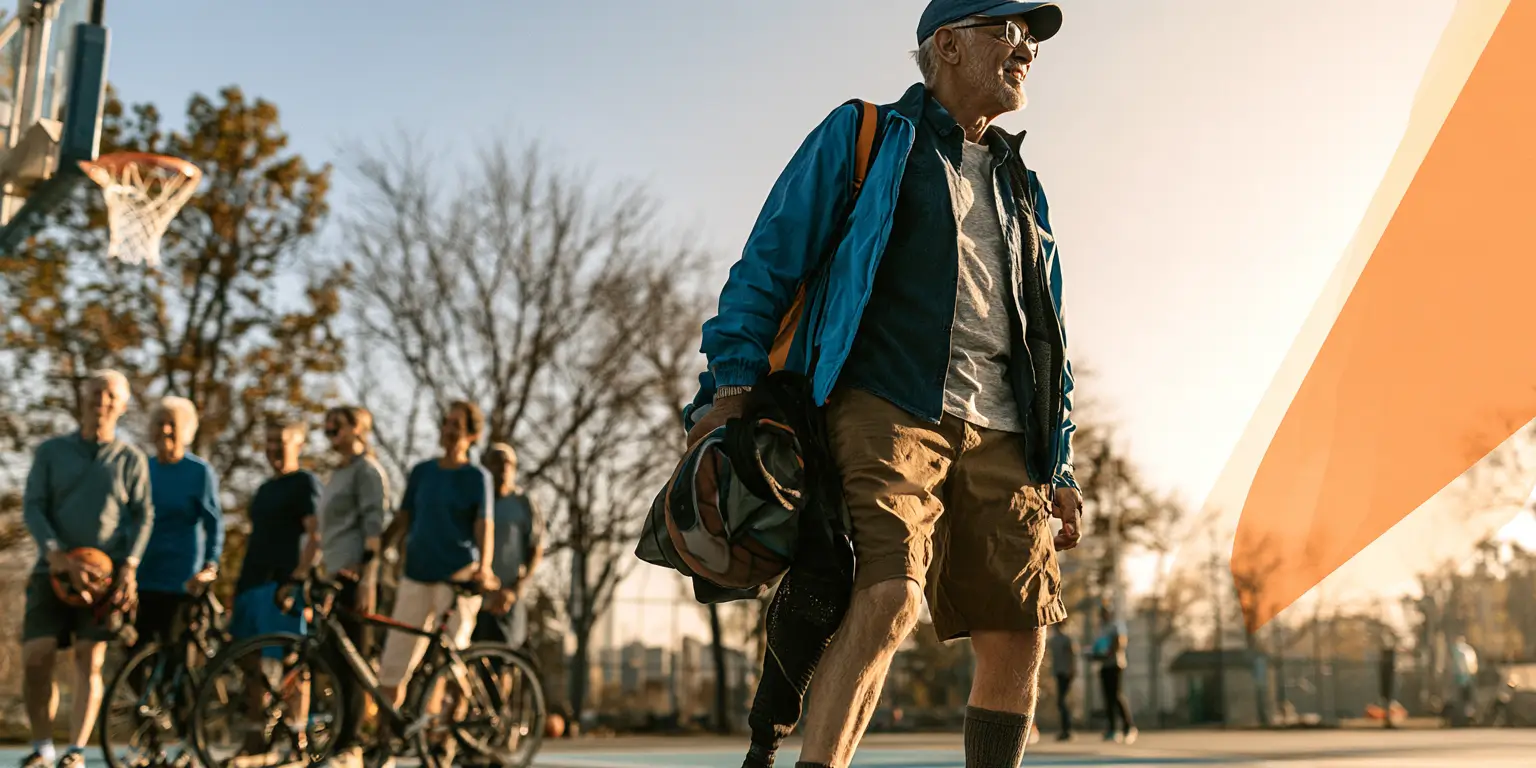
Staying active later in life does not have to mean chasing personal bests or signing up for anything intimidating. For many older adults, the best sports are the ones that feel good, fit into daily life, and leave you with a smile instead of a sore back. The sweet spot is finding activities that are safe, enjoyable, and easy to keep doing.
What makes a sport senior-friendly is not just the pace. It is also about balance, joint comfort, social connection, and confidence. The right activity can help with mobility, energy, mood, and even the simple pleasure of getting out of the house. And honestly, sports are often more fun when they come with conversation, laughter, and a bit of friendly competition.
Walking: The simplest sport that still delivers
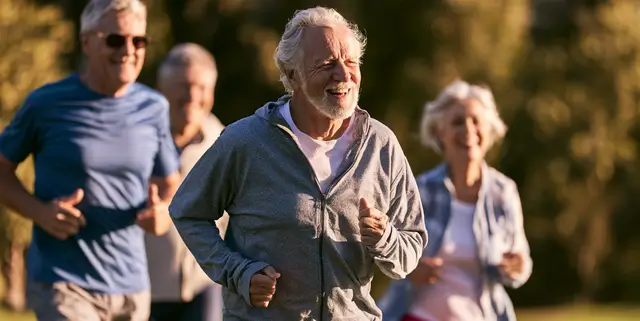
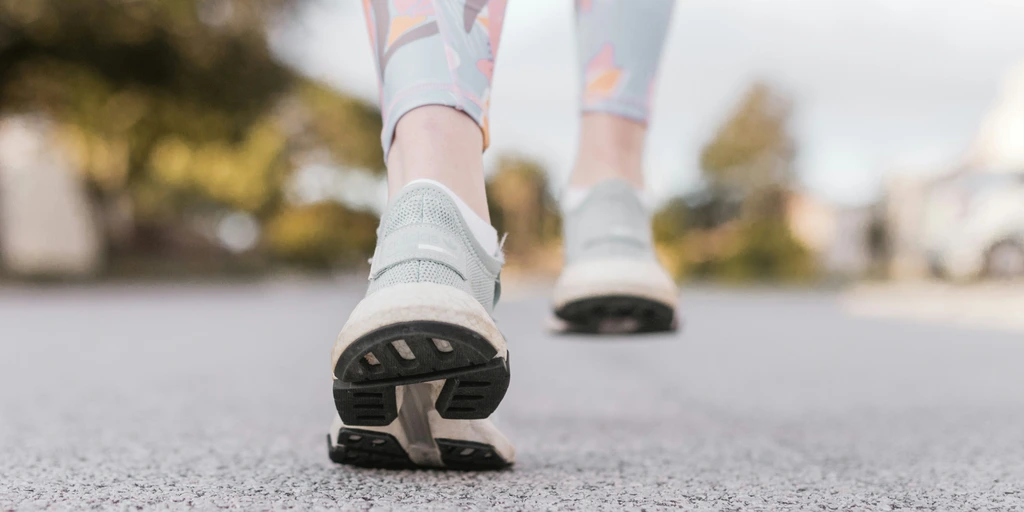
Walking is one of the most accessible ways to stay active, and it counts as a real sport when you turn it into a routine. It requires very little equipment, can be done almost anywhere, and can be adjusted to your comfort level. A leisurely stroll around the neighborhood, a brisk walk with a friend, or a lap around the local park all count.
Walking is especially appealing because it feels natural. There is no learning curve, no fancy gear, and no pressure to perform. Many seniors enjoy walking because it fits easily into the day and can be paired with music, conversation, or a dog who thinks every outing is the best part of life.
Why it works:
- Gentle on the joints
- Improves stamina and circulation
- Easy to adjust for different fitness levels
- Encourages regular movement without stress
Swimming and water aerobics: Gentle, refreshing, and surprisingly social
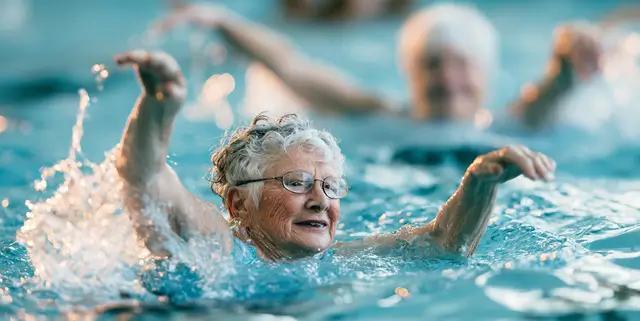
For seniors who want movement without the pounding that can come with land-based exercise, swimming is a standout choice. Water supports the body, which can make exercise feel much easier on the knees, hips, and back. Water aerobics adds a group setting and a playful energy that many people love.
There is something uplifting about being in the pool. The water takes the edge off the effort, and the environment often feels more like recreation than exercise. That can make it easier to stay consistent, especially for people who are easing back into activity after a long break.
Why it works:
- Low impact on joints
- Builds strength and endurance
- Helps with balance and flexibility
- Often feels refreshing rather than exhausting
Pickleball: The social favorite with a friendly buzz
Pickleball has become one of the most popular activities for older adults, and it is easy to see why. It is social, energetic, and usually less demanding than tennis, while still offering plenty of movement and fun. The smaller court and lighter paddle make it more approachable, and the short rallies keep it lively.
What makes pickleball especially appealing is the atmosphere. It is often played in mixed-age groups, but many seniors appreciate that it can be as competitive or casual as they want. Some people come for the exercise, others for the chatter, and many for both. It is one of those sports where you can get a good workout without feeling like you are being punished for trying.
Why it works:
- Encourages agility and coordination
- Promotes social interaction
- Can be played at a relaxed pace
- Offers a fun blend of exercise and recreation
Golf: A classic with room for walking, skill, and fresh air
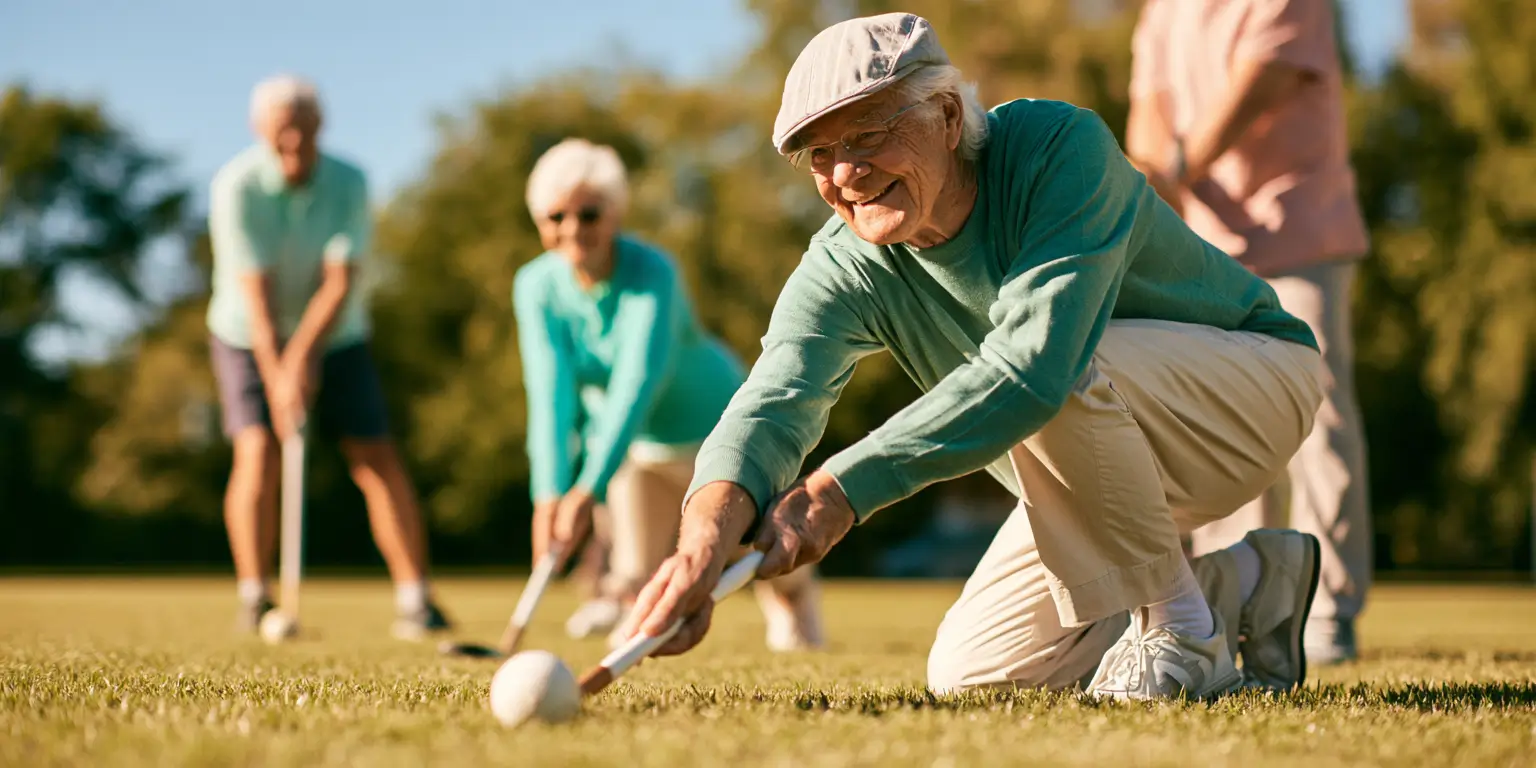
Golf remains a favorite for many seniors because it offers a calm pace, open space, and a sense of rhythm. Whether played on a full course or in a more casual setting, golf can be as light or challenging as desired. Some golfers walk the course for added exercise, while others use a cart and focus more on the game itself.
Beyond the scorecard, golf is also about the experience. Early mornings, fresh air, the quiet pause before a swing, and time with friends all make it appealing. Even on imperfect days, there is something enjoyable about being outside and spending a few hours with a purpose.
Why it works:
- Flexible pace
- Supports walking and light activity
- Offers time outdoors
- Combines physical and mental focus
Bowling: Easy to enjoy and great for group outings
Bowling is a wonderful option for seniors who want a sport that feels social and familiar. It does not require extreme fitness, and it can be enjoyed indoors year-round. Many people like it because it is part game, part gathering, and part excuse to cheer for each other.
There is also a nice balance to bowling. It involves coordination and a bit of movement, but not so much that it feels overwhelming. For seniors who may not want to run, jump, or spend long hours on their feet, bowling offers a manageable way to stay active while having a good time.
Why it works:
- Low-impact and easy to learn
- Encourages coordination
- Great for social groups
- Can be enjoyed at a comfortable pace
Chair yoga and tai chi: Calm movement with real benefits
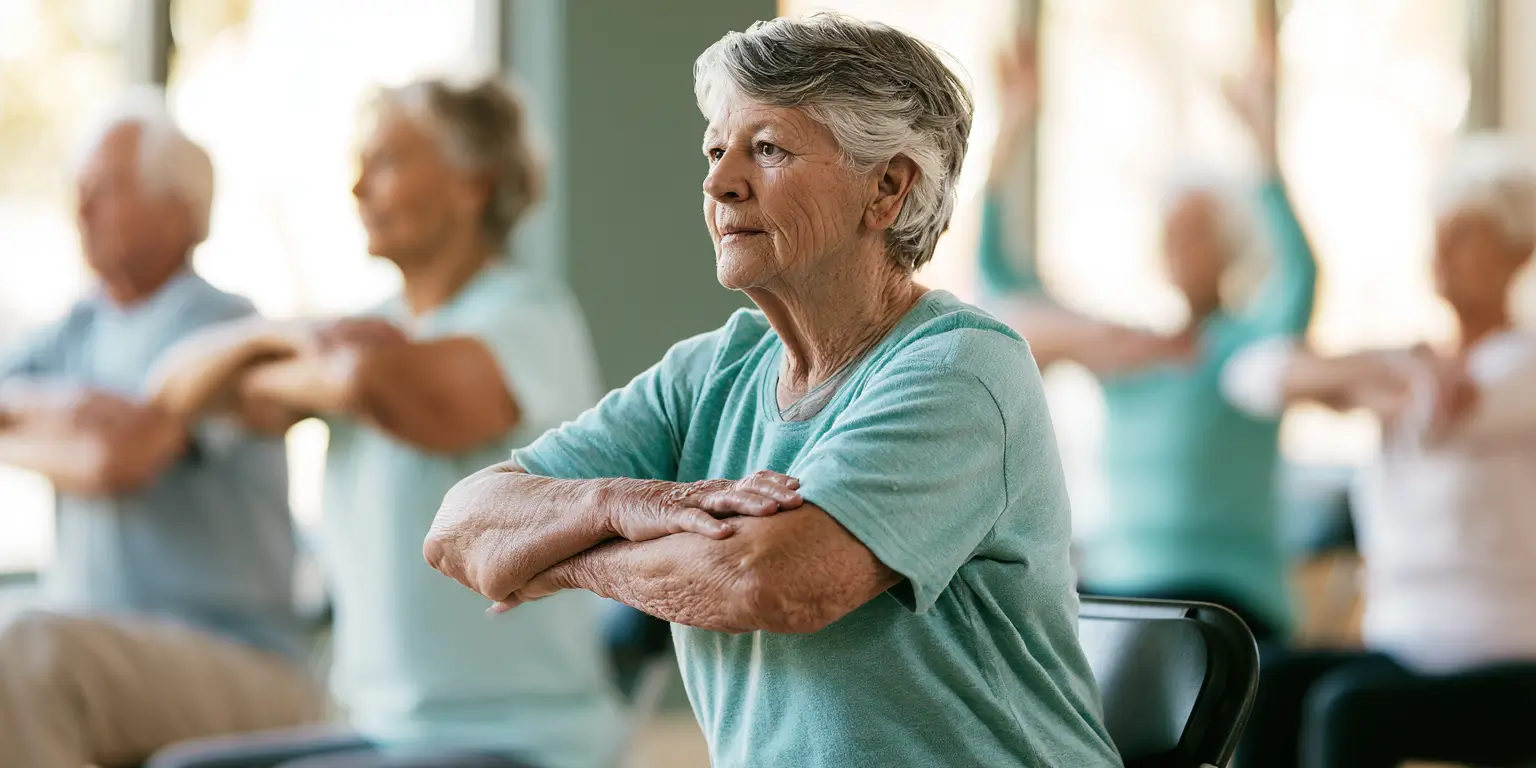
Although they may not look like traditional sports, chair yoga and tai chi deserve a place on any list of older-adult activities. They help with balance, flexibility, and body awareness, and they are often accessible for people who prefer gentler movement. Tai chi, in particular, has a graceful flow that many people find relaxing and almost meditative.
These activities are especially helpful for seniors who want to stay active without high strain. They can support posture, reduce stiffness, and make everyday movements feel easier. Just as important, they often bring a sense of calm that is welcome at any age.
Why it works:
- Supports balance and flexibility
- Low impact
- Adaptable for different mobility levels
- Helps with relaxation and body control
Dancing: Movement that feels more like celebration
Dancing is a fantastic way to stay active because it rarely feels like exercise in the usual sense. Whether it is ballroom, line dancing, or just moving to favorite music at home, dancing gets the body working while lifting the mood. It is also a great reminder that fitness can be joyful.
For many seniors, dancing offers a mix of memory, music, and movement. It can be done with a partner or in a group, and the social side is often just as important as the physical one. The best part is that there is no need to be perfect. If you are moving and enjoying yourself, you are doing it right.
How to choose the right sport
The best activity is the one you will actually look forward to doing. Some people love the friendly energy of pickleball, while others prefer the quiet of a morning walk or the easy rhythm of swimming. A few simple questions can help narrow it down:
- Does it feel comfortable on your joints?
- Can you do it regularly without dreading it?
- Does it match your energy level?
- Would you enjoy doing it with other people?
It is also smart to start slowly, especially if you have not been active for a while. A shorter session, lighter pace, or beginner class can make a big difference. Listening to your body matters more than pushing through discomfort.
Staying safe while staying active
Safety should always come first, but that does not mean playing it too cautiously to have fun. Simple habits can go a long way:
- Wear supportive shoes
- Hydrate before and after activity
- Warm up with gentle movement
- Use proper equipment
- Stop if something feels wrong
It is also wise to check with a healthcare professional before starting a new sport, especially if you have existing health conditions or concerns about balance, heart health, or joint pain. A little advice at the start can help make activity feel more secure and sustainable.
For many seniors, the best sports are not the most intense ones. They are the ones that bring energy, ease, and connection into everyday life. Whether it is a walk with a neighbor, a swim at the local pool, or a lively game of pickleball, movement can be one of the most rewarding parts of the day. The goal is not to prove anything. It is to keep enjoying the game, in whatever form feels best.