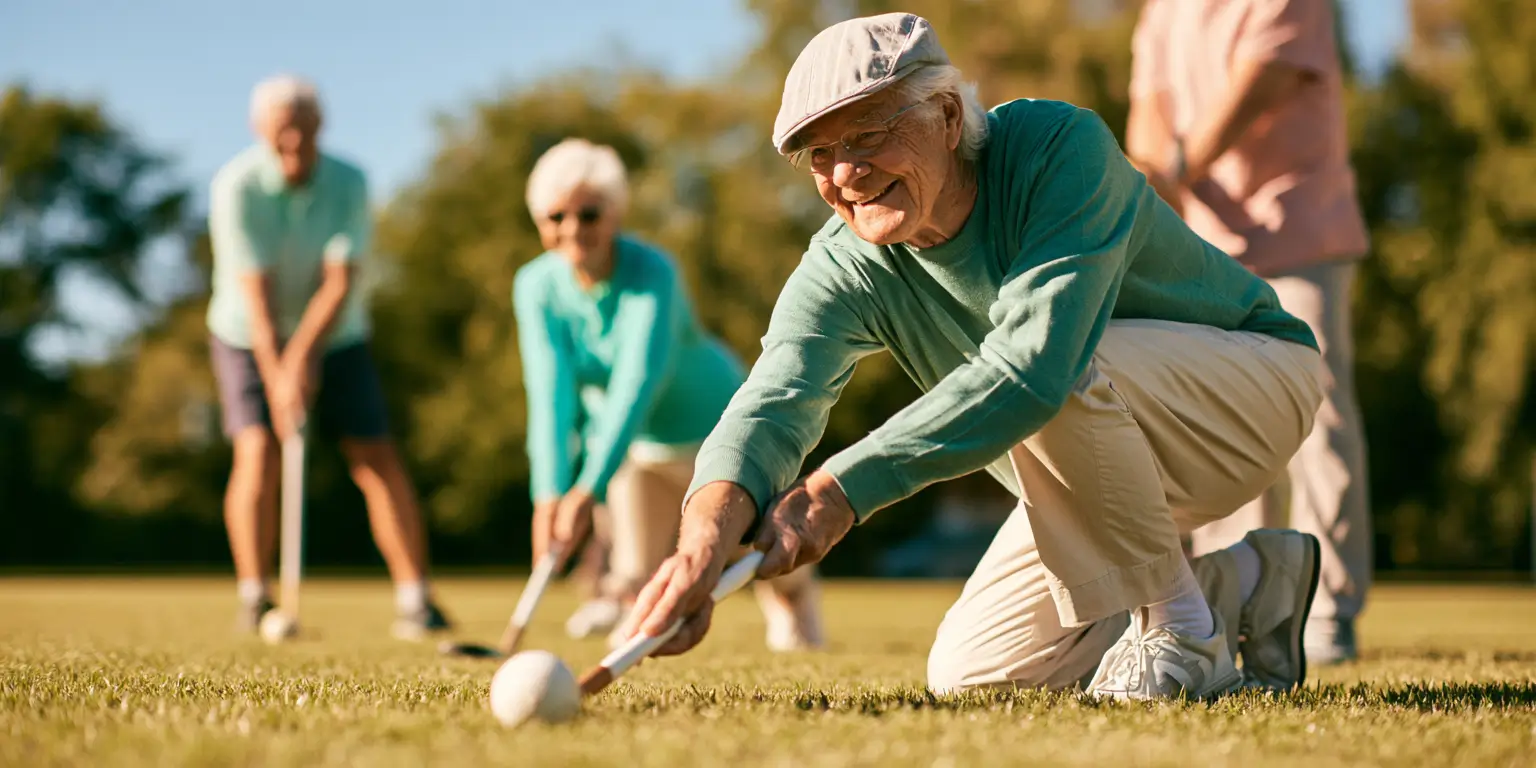
Let’s retire the lazy myth that getting older means getting weaker, stiffer, and permanently parked in a chair. That’s not aging — that’s neglect. The truth is much less dramatic and far more useful: the body responds to movement at almost any age. Low-impact exercise is not the soft option. It’s the smart option. It is the difference between staying capable and slowly outsourcing your independence to pills, joints, and bad posture.
For seniors, the goal is not to become a bodybuilder or run a marathon before lunch. The goal is to move better, feel steadier, and keep everyday tasks from turning into heroic feats. Carrying groceries, climbing stairs, standing up without a grimace, reaching for a shelf, getting out of bed without sounding like a haunted floorboard — these are not small wins. They are the real prize.
Walking: the most underrated workout on the planet
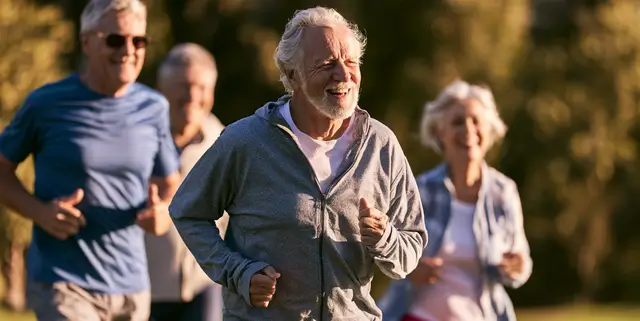
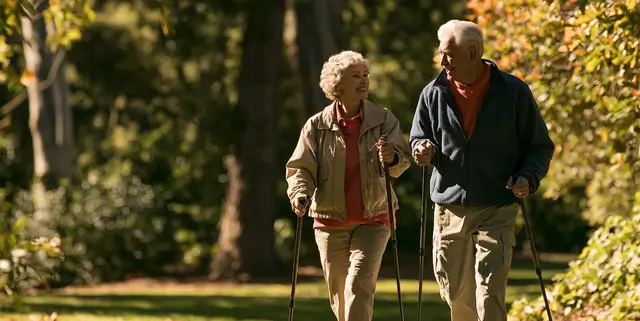
Walking gets dismissed because it looks too easy. That’s exactly why it’s powerful. It is simple, cheap, and brutally effective when done consistently. A brisk walk improves cardiovascular health, supports joint mobility, and can help maintain a healthy weight without beating up the knees, hips, or back.
The trick is not to overcomplicate it. You do not need special shoes that cost the price of a weekend getaway, and you do not need to “train” like a competitive power walker unless that brings you joy. Start with 10 to 15 minutes a day and build from there. Add a little pace if you can. Swing the arms. Stand tall. If needed, use intervals: walk a little faster for one minute, then recover at an easy pace. That tiny bit of structure can make a casual stroll into a useful workout.
Walking is boring only if you confuse boring with ineffective.
Chair exercises: not a shortcut, a strategy
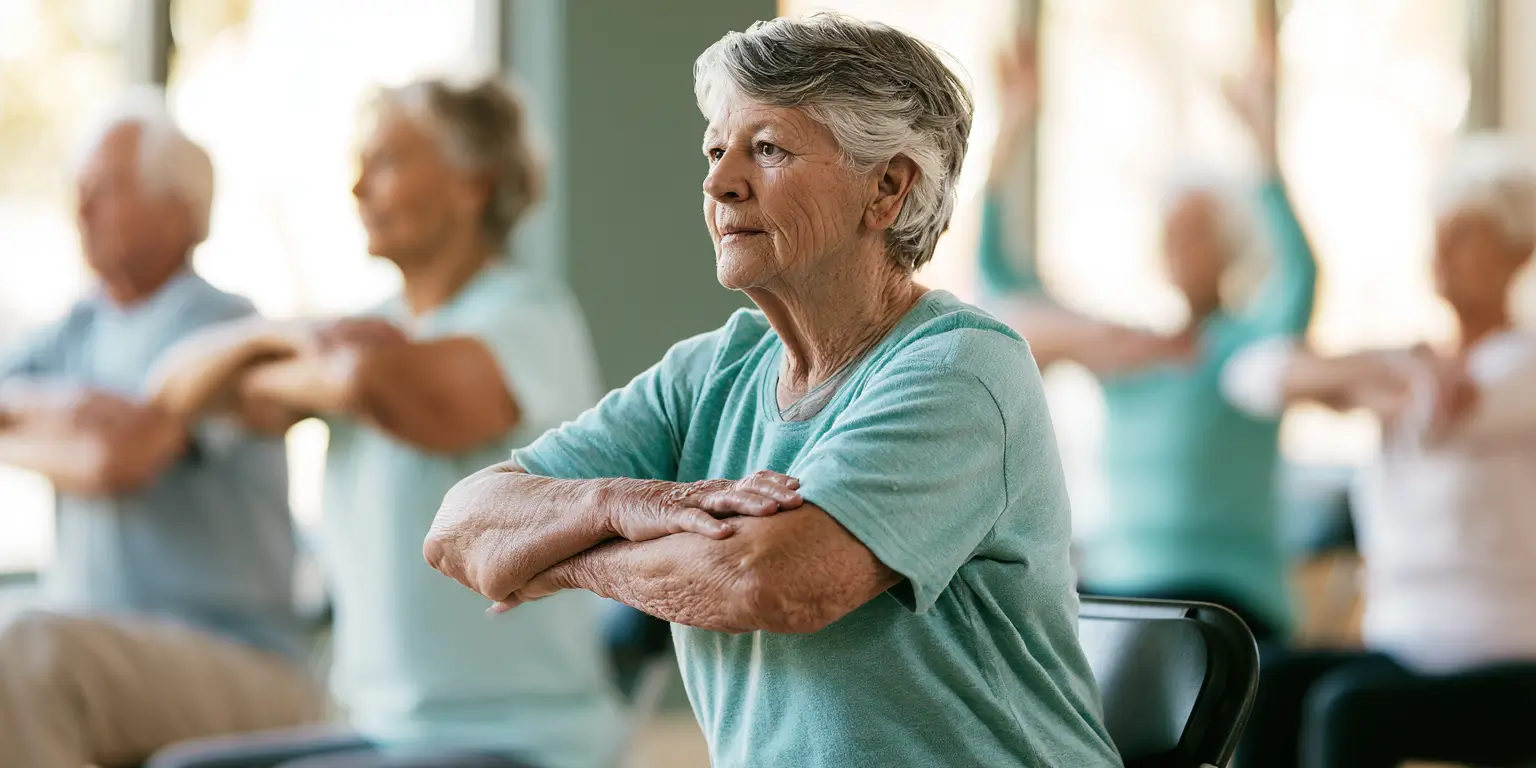
Chair exercises deserve more respect. They are often treated like the training wheels of fitness, but for many older adults they are a perfectly serious way to build strength safely. A sturdy chair can support squats, leg lifts, seated marches, arm raises, and modified push movements. That means more muscle activation without the intimidation factor of getting down on the floor and wondering how on earth to get back up.
Try these:
- Seated marches: Lift one knee at a time as if you are marching in place.
- Chair squats: Stand up and sit down slowly, using the chair for guidance rather than collapse.
- Seated leg extensions: Extend one leg out straight, hold, and lower with control.
- Arm circles: Small circles forward and backward to wake up the shoulders.
- Seated overhead reaches: Lift both arms gently above the head to improve range of motion.
These moves look modest, but modest is fine. The point is consistency and control. If you can do them three times a week, you are already ahead of the people who keep saying they “should” exercise and never do.
Water aerobics: where gravity stops being such a bully
If joints could vote, many of them would choose water aerobics. The buoyancy of water reduces stress on knees, hips, ankles, and the spine while still giving resistance to the muscles. That combination makes pool exercise one of the best low-impact options for seniors who want to move more without paying for it later with pain.
Water walking, gentle kicks, arm pushes, and shallow-water aerobics can improve balance, endurance, and strength. The water also makes movement feel less threatening, which matters more than people admit. A lot of older adults avoid exercise because they fear pain, falling, or looking foolish. In the pool, that fear tends to shrink.
If you have access to a community center or local pool, this is worth trying. And no, it does not matter if you feel awkward at first. Everyone in a pool class looks mildly ridiculous. That is part of the charm.
Resistance bands: the cheapest way to get stronger without pretending to be 25
Strength training is not just for younger people chasing visible muscles. Seniors need muscle too — for balance, bone support, and practical everyday movement. Resistance bands are one of the easiest tools to use because they are light, portable, affordable, and adaptable. They let you challenge muscles without heavy weights or complicated equipment.
Band exercises can target the upper body, lower body, and core. Try bicep curls, seated rows, leg presses, and lateral leg lifts. Move slowly and keep control throughout each repetition. The resistance should feel challenging but manageable. If the band is snapping back at you like it has a grudge, it is too much.
Strength without arrogance is the whole point. Bands let you build it safely.
Tai chi and balance work: graceful, not fluffy
Tai chi is often spoken about as though it were a wellness accessory. That is unfair. It is a serious practice for balance, coordination, and body awareness. Its slow, deliberate movements help train stability while improving focus and breathing. For seniors, that matters because falls are not just inconvenient; they can change lives.
Even simple balance drills can help:
- Standing on one foot while holding a countertop.
- Heel-to-toe walking across a hallway.
- Weight shifts from side to side.
- Slow arm and leg movements while maintaining posture.
The idea is to challenge balance without creating panic. Slight wobbling is useful. Falling is not. Use a wall, rail, or sturdy surface for support. There is no medal for doing balance work like you are auditioning for a circus.
Stretching: the part people skip, then complain about
Stretching is not a luxury add-on. It is one of the main reasons low-impact exercise works so well for older adults. Tight hips, shoulders, calves, and backs can make daily life feel harder than it needs to. Gentle stretching improves mobility, posture, and comfort in movement. That does not mean forcing yourself into dramatic poses or pretending pain is progress.
Focus on slow, comfortable stretches for the neck, shoulders, hamstrings, calves, chest, and lower back. Hold each stretch without bouncing. Breathe normally. If a stretch hurts, reduce the range. The goal is to ease tension, not negotiate with your joints like they are hostile diplomats.
Try pairing stretches with breathing. Exhale as you deepen the stretch slightly. This helps the nervous system settle and can make movement feel less guarded.
Why strength matters more than vanity
There is a strange cultural habit of treating strength as a youth obsession, as if older adults should only care about being delicate and careful. That is nonsense. Strength is what keeps people independent. It helps with carrying bags, rising from chairs, climbing steps, and protecting bones. It also supports metabolism and can reduce the risk of falls by improving muscle reaction and coordination.
For seniors, even two short strength sessions a week can make a meaningful difference. The body does not require a grand performance. It responds to repeated effort. A little resistance, a little consistency, and a little patience can do more than a burst of enthusiasm followed by three months of nothing.
The biggest mistake: making exercise too dramatic
One of the best things about low-impact fitness is that it removes the excuse theater. You do not need to become “an exercise person.” You need movement that fits your life. That means starting where you are, not where some fitness influencer thinks you should be.
The biggest mistake is doing too much too fast. That is how people turn a promising habit into a sore, discouraging mess. Begin with short sessions. Focus on form. Rest when needed. Progress gradually. If you have medical conditions, joint replacements, balance concerns, or chronic pain, check with a healthcare professional before starting a new routine.
Also, stop waiting for motivation to become a grand feeling. Motivation is unreliable. Routine is what works.
A simple weekly approach that actually makes sense
Here is a straightforward way to build low-impact exercise into the week without turning life into a boot camp:
- 2 to 3 days: chair exercises or resistance band strength work
- Most days: walking, even if it is broken into short chunks
- 1 to 2 days: water aerobics, tai chi, or balance practice
- Daily: gentle stretching for 5 to 10 minutes
That’s it. No complicated periodization. No guilt-ridden spreadsheet. Just repeatable movement that supports the body instead of punishing it.
The real payoff is not fitness; it’s freedom
The best argument for low-impact exercise is not that it makes you look better — though it might. It is that it helps you keep your options open. You get to climb stairs without dread. You get to turn, reach, bend, and walk with more confidence. You get to keep participating in life instead of watching it from the sidelines.
That is what makes these workouts worth doing. Not intensity. Not trends. Not suffering. Just practical, repeatable movement that keeps the body useful.
Low-impact exercise is not the watered-down version of fitness. It is fitness for people who understand the assignment: stay strong, stay mobile, and stay in charge of your own body for as long as possible.