If your family weekend routine has started to feel like a scoreboard with the same final score every time, it may be time to change the game plan. Active outings do more than fill a Saturday: they raise step counts, reduce screen time, and usually create better memory retention than passive plans because everyone is physically engaged. In simple terms, families that move together tend to get more value out of each hour together.
Why active weekends outperform passive ones
Research on youth and adult activity patterns consistently shows that even moderate exercise can improve mood, sleep quality, and attention span. A two-hour walk, ride, or paddle can burn anywhere from 300 to 800 calories per person, depending on body size and intensity. Compare that with a movie-and-snacks weekend, where the main measurable output is usually sitting time. The active option wins on health, but also on variety: children are far more likely to remember a challenge, a race, or a new trail than another afternoon on the couch.
There is also a practical advantage. Family activities that involve movement are easier to scale across ages than many people think. A parent can jog while a child scooters, a teenager can lead the pace on a hike, and younger kids can take shorter loops and still feel included. The best family weekend ideas are not the most extreme; they are the ones with the widest participation rate.
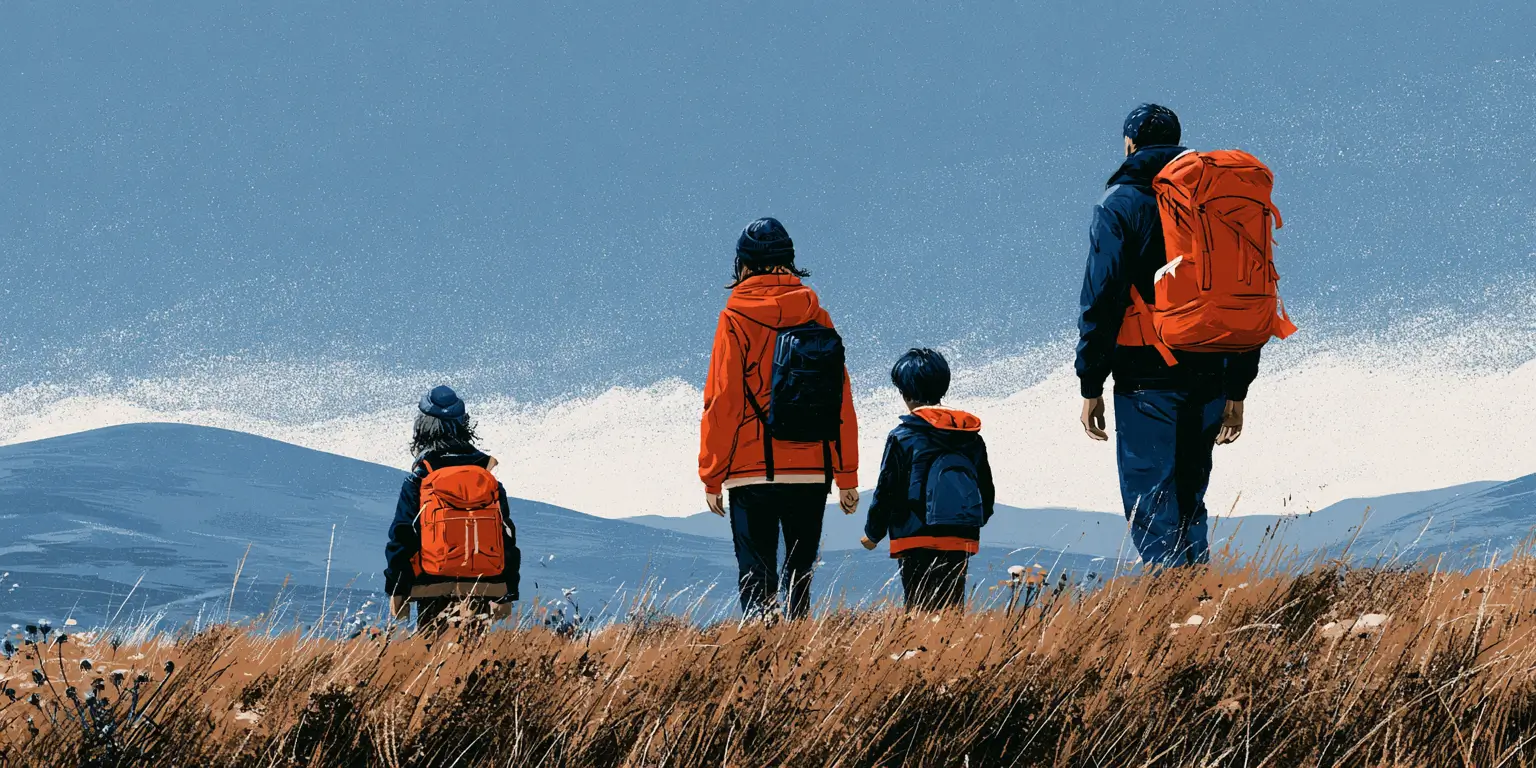
1. Hiking with a goal, not just a destination
Plain hiking is good. Goal-based hiking is better. Add a waterfall, a lookout point, a geocache, or a “find five birds” challenge, and suddenly the walk becomes a mission. Families are more likely to complete a hike when there is a clear target, because motivation rises when progress is visible. A 3-mile trail with a reward at the end often feels easier than a 1-mile loop with no story attached.
If you are planning for mixed ages, choose a route with an elevation gain under 500 feet and a turnaround option. That keeps the outing flexible while still delivering a solid workout. For younger children, a pace of 1 to 1.5 miles per hour is realistic, so set expectations accordingly. The statistic to watch here is not speed; it is completion. A family that finishes together is far more likely to say yes to the next outing.
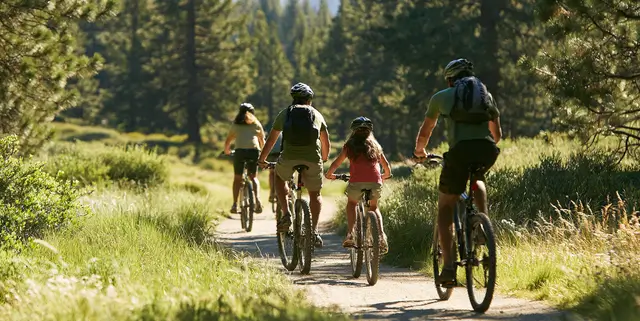
2. Bike rides that feel like mini tours
Family cycling is one of the most efficient ways to cover distance while keeping intensity moderate. A relaxed ride of 5 to 10 miles can be enough for a satisfying weekend session, especially if you build in snack stops, park breaks, or a scenic turnaround point. On flat terrain, many riders can maintain 8 to 12 mph without overexertion, which makes this an ideal option for families with different fitness levels.
The key is route selection. Low-traffic greenways and bike paths dramatically reduce stress and increase participation. If you are riding with children, use the 80/20 rule: spend 80 percent of the ride on easy terrain and keep the final 20 percent optional if energy levels dip. That approach reduces dropout risk and avoids turning a fun outing into a forced march.
3. Water adventures with a built-in cooldown
Paddling, swimming, and kayaking offer one major statistical advantage: they naturally combine exercise and temperature control. A one-hour kayak session can work the core, shoulders, and back while keeping effort levels manageable. For families near lakes or calm rivers, beginner-friendly kayaking is one of the best active adventures because it is both novel and low impact.
If your family prefers swimming, treat it like interval training without the jargon. Alternate fast laps, games of tag, and recovery time. Children often stay active longer in the water because the perceived effort is lower, even when energy expenditure is substantial. A 45-minute pool session with games can rival the activity of a much longer land-based outing. Safety remains the non-negotiable metric: life jackets for boating, constant supervision for younger swimmers, and conservative weather choices always improve the odds of a smooth day.
4. Park games that turn movement into competition
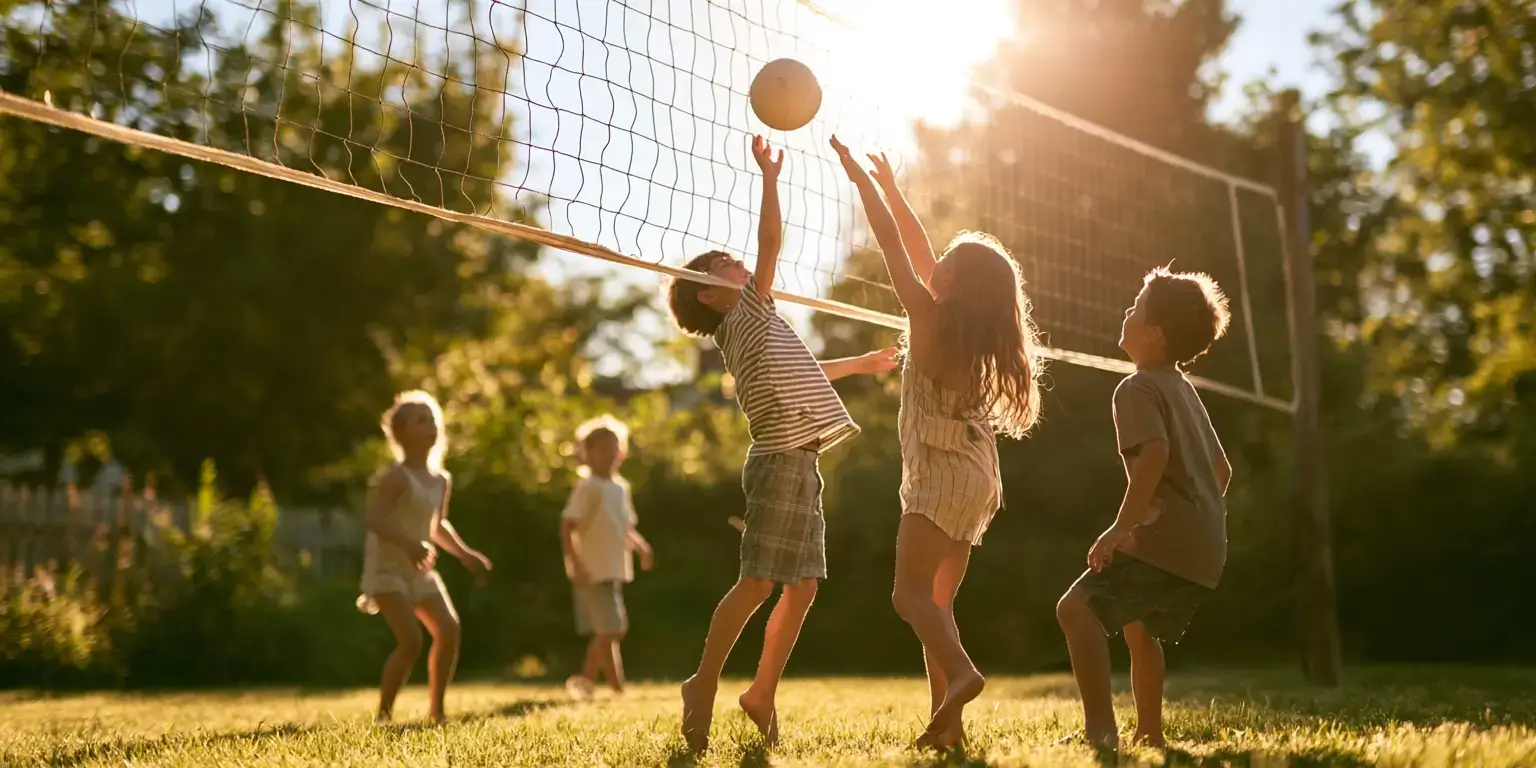
Not every active weekend needs a trail or a destination. A local park can become a high-value training ground if you structure it well. Think frisbee, soccer, capture-the-flag, obstacle courses, or relay races. These games work because they create bursts of effort, and bursts are often more appealing to kids than steady-state exercise.
For families with mixed athletic ability, relay events are especially effective. They distribute effort across the group and reduce the chance that one person dominates the activity. A 30-minute relay session with rest breaks can produce more smiles per minute than a longer, more formal sport outing. If you want a simple rule, rotate teams every 10 to 15 minutes and keep score only if it adds energy instead of pressure.
5. Nature scavenger hunts that boost attention
Scavenger hunts are underrated because they combine physical activity with observation. Make a list of ten items: a pinecone, a red leaf, a smooth rock, a bird call, a cloud shape, and so on. Each item found means more walking, more looking, and more engagement. For younger children, this format can extend an outing by 25 to 40 percent simply because the brain stays interested.
From a lifestyle perspective, scavenger hunts are one of the easiest ways to get reluctant walkers moving. The trick is specificity. Instead of saying “go explore,” give a checklist with enough detail to make success feel measurable. The more measurable the goal, the stronger the follow-through.
How to make the weekend stick
The most successful family active adventures usually share three traits: they are close to home, they are age-flexible, and they finish with a reward. That reward does not need to be elaborate. A picnic, smoothies, a shared playlist, or even a photo challenge can create a satisfying finish line. Families are more likely to repeat an activity when the overall experience feels efficient: low travel time, manageable effort, and a clear payoff.
If you want a simple planning formula, aim for one of these patterns each weekend: 90 minutes of movement, 30 minutes of snacks or rest, and one memorable moment worth talking about later. That structure works because it balances effort and recovery, which is exactly what keeps a family outing from feeling like a chore.
Active weekends do not need to be expensive, complicated, or athletic in a competitive sense. They just need enough movement to change the pace and enough fun to make the next outing easier to sell. In the long run, the family that keeps showing up for short adventures often gets more benefit than the family that waits for the perfect big trip.