Some of my best memories from sports don’t come from the scoreboard. They come from the little things: the ride home after a game, the shared laugh over a missed shot, the way everyone in the house starts talking when there’s a ball, a bat, or a pair of sneakers involved. That’s the real power of family sports time. It’s not just exercise. It’s a chance to build trust, communication, and a rhythm that carries over long after the gear is packed away.
When I played competitively, I learned fast that a team works best when everyone feels included. Family is no different. If you want sports to bring your household closer, the key is choosing activities that fit your mix of ages, energy levels, and personalities. You don’t need a perfect field or top-level skill. You need buy-in, a little structure, and enough fun to keep people coming back.
Why sports work so well for families
Sports create shared goals, and shared goals change the tone of a home. Instead of everyone doing their own thing on separate screens, you get a common mission. Maybe that’s learning to pass a soccer ball without losing control. Maybe it’s finishing a weekend bike ride together. Either way, the family starts operating like a unit.
From a locker-room perspective, the biggest value is communication. In sports, you have to call out, listen, adjust, and support each other. Families build the same muscle when they play together. Kids learn how to handle winning and losing. Parents get a window into how their children respond to challenge. And everybody gets a healthier outlet for stress.
There’s also something powerful about the unspoken stuff. When a younger sibling sees an older one slow down and help, that’s leadership. When a parent admits they’re rusty at basketball and laughs at themselves, that’s humility. Those moments matter.
Activities that bring different ages together
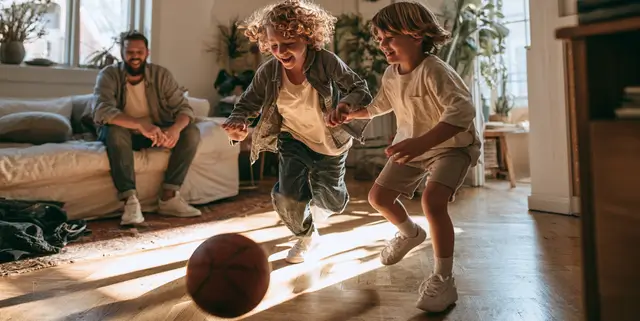
1. Pickup basketball
Basketball is one of the easiest family sports to scale. You can play horse, one-on-one, two-on-two, or a relaxed half-court game. If the age gap is wide, set house rules: lower the intensity, allow extra dribbles for younger players, or count certain shots differently so everyone stays engaged. The beauty of basketball is that it rewards movement and communication. You’ll hear a lot of natural teaching happening: “Cut to the basket,” “Pass it back,” “Nice hustle.” That’s team-building in real time.
2. Soccer in the park
You don’t need a full team to enjoy soccer. A simple game of keep-away, penalty kicks, or a scrimmage with makeshift goals can get everyone involved. Soccer is especially good for families because it blends cardio with cooperation. The ball keeps moving, and so does the conversation. For younger kids, focus on dribbling and passing games. For older kids and adults, add small challenges like timed dribble courses or target shooting.
3. Family bike rides
Bike rides are underrated for bonding because they create time to talk without the pressure of face-to-face conversation. That side-by-side movement lowers the intensity and opens people up. I’ve seen more honest conversations happen on a bike path than at a dinner table. Keep the route realistic, choose safe paths, and make the pace fit the group. For families with mixed experience, plan a destination like a park, snack stop, or scenic overlook so everyone has something to ride toward.
4. Swimming
Swimming is one of the best family activities because it levels the playing field. Strong swimmers can race, while beginners can work on comfort and basic skills. Games like relay races, diving for rings, or simple water tag keep the energy up. The pool also brings a different kind of body awareness. People relax, laugh more, and usually stay active longer than they realize.
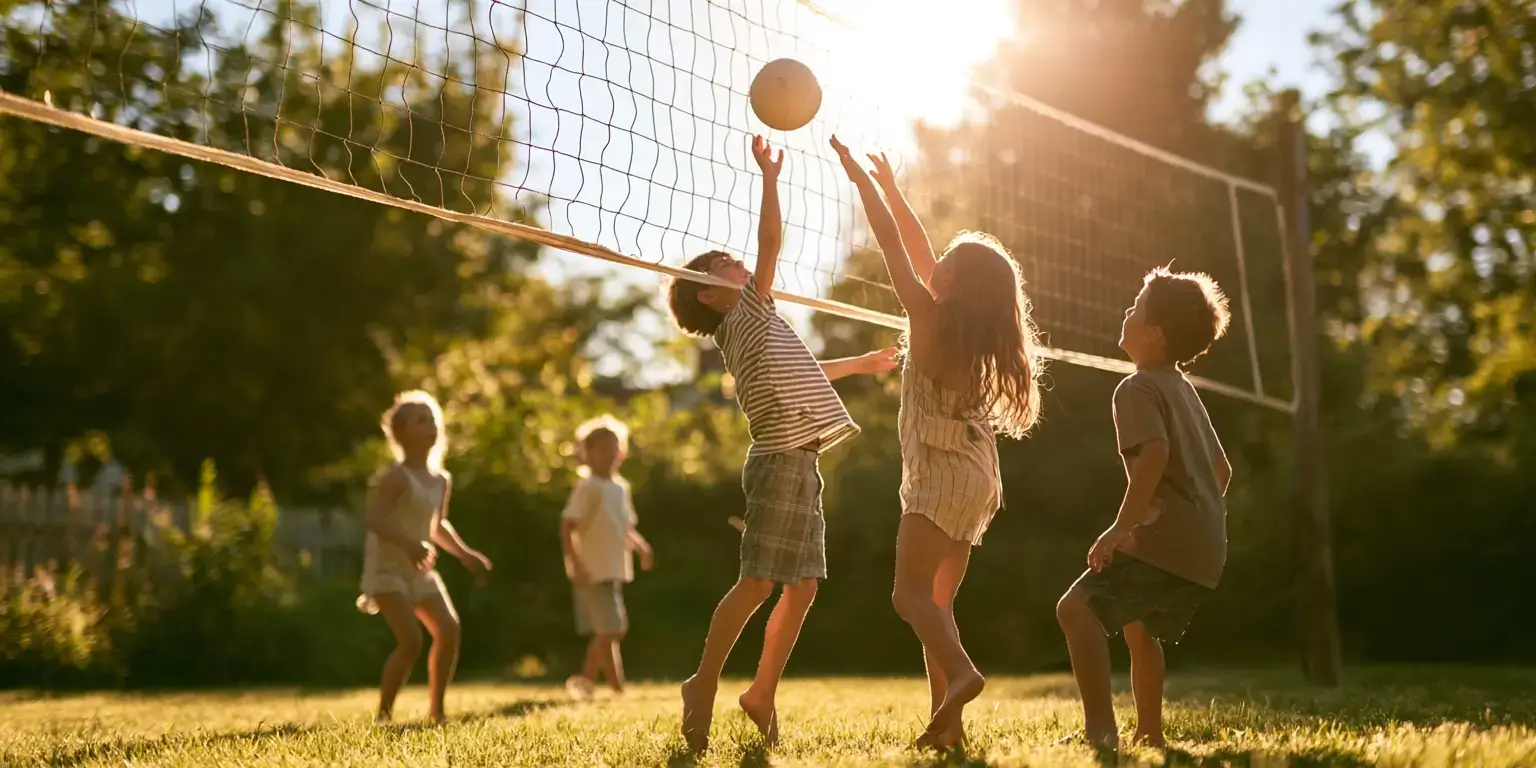
5. Backyard volleyball or badminton
These games are ideal when you want a little competition without a full physical grind. They teach timing, spacing, and patience. In my playing days, I always respected sports that forced people to work together under pressure. Volleyball does that beautifully. One bad touch affects the whole rally, so everyone learns to communicate and recover quickly. That’s a valuable lesson for family life too.
How to keep the mood positive
The fastest way to ruin a family sports session is turning it into a championship final when nobody asked for one. Keep the atmosphere competitive enough to be fun, but not so intense that people stop wanting to participate. A good family sports session should leave people tired, smiling, and already thinking about the next one.
Here are a few locker-room rules that help:
- Rotate roles so nobody feels left out or stuck being the same position every time.
- Celebrate effort as much as results.
- Keep instructions short and clear, especially with younger kids.
- End while people still want more instead of waiting until everyone is worn out.
- Make room for different skill levels by adjusting rules and expectations.
That last point matters a lot. In a real team environment, the strongest players don’t dominate every moment. They create space for others to succeed. Families should take the same approach. If one person is naturally more athletic, that’s not a reason for them to take over. It’s a reason for them to help bring others along.
What kids learn when families play together
Kids absorb a lot more than the rules of the game. They learn how adults handle frustration. They see whether competition is used to build people up or tear them down. They notice whether effort gets praised only when it leads to winning. Those lessons stick.
When families use sports the right way, children learn resilience, discipline, and teamwork without it feeling like a lecture. They also pick up on the culture around the activity. Is it okay to make mistakes? Is it safe to try something hard? Do people laugh together when things go wrong? Those answers shape confidence.
And for parents, family sports can be a reset. A hard week at work can melt away after a simple game of catch in the driveway. You start remembering what it feels like to move for fun again. That energy matters inside the home just as much as it does on the field.
Making it a habit
The best family sports routine is the one you can repeat. Start small. Pick one activity and give it a regular slot, like Saturday mornings or after-dinner walks with a ball. Keep equipment simple and easy to grab. If the setup is complicated, the habit usually dies.
Think of it like training. Consistency beats intensity. A twenty-minute game every week can do more for family connection than a rare, exhausting all-day outing. Over time, those small sessions create traditions. And traditions are what families remember.
So yes, sports can absolutely bring your family closer. Not because they magically solve every problem, but because they create the kind of shared moments that build trust. The passes, the laughter, the arguments over whether the ball was in or out, the regrouping after a loss — that’s family chemistry in action. Pick a game, set the tone, and see what happens when everyone gets in the huddle.