There’s a special kind of magic in an outdoor family day when nobody is staring at a screen and everybody is a little out of breath. I learned early in sports that the best team chemistry doesn’t happen during the big moments alone; it gets built in the small stuff, like warming up together, calling out encouragement, and laughing when the plan goes sideways. Family games work the same way. They turn a regular Saturday into something your kids remember like a championship run.
The best part? You do not need expensive gear, a huge backyard, or a perfectly planned schedule. You just need a little space, a few simple rules, and a willingness to get competitive in the friendliest way possible. These seven outdoor games bring movement, teamwork, and just enough chaos to keep everybody engaged.
1. Backyard Obstacle Relay
This one is pure energy. Set up a course with cones, pool noodles, chairs, jump ropes, or anything safe you already have around the yard. The goal is simple: sprint, crawl, hop, weave, and tag the next person in line. It feels like training day in disguise.
Why it works: every player has a role, and every leg of the race matters. That is real team sport thinking. One kid may be fast, another might be better at balancing, and a parent can play the steady, dependable anchor. In my playing days, the best teams were never just the most talented; they were the ones that understood how to cover for one another.
Make it better: time each round and try to beat your own score. You can also switch the obstacle order each time so nobody gets too comfortable.
2. Capture the Flag, Family Edition
This classic never gets old because it mixes strategy with sprint speed. Split into two teams, mark territories, and place a flag or object in each home base. The mission is to sneak into enemy territory, grab the flag, and get back without being tagged.
Why it works: kids love the stealth aspect, and adults usually get drawn in once the game starts getting tactical. You will hear the same communication you hear in good team sports: calling zones, warning teammates, and making split-second decisions.
Locker-room tip: before the game starts, have each team agree on one defensive player, one runner, and one backup plan. The more everyone understands the role, the smoother the game flows.
3. Water Balloon Target Challenge
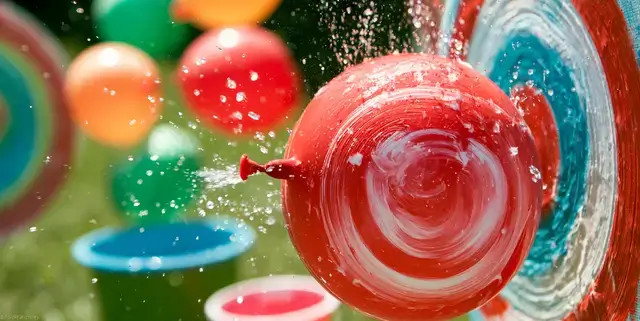
If the weather is warm, this one is a guaranteed hit. Set up buckets, hoops, chalk targets, or plastic cups and let everyone take turns tossing water balloons at them. You can make it competitive by assigning points for each target.
Why it works: the game rewards accuracy, not just speed. That keeps younger kids involved and gives adults a chance to show they still have some touch. In sports, we always respected players who could stay calm under pressure. Tossing a water balloon at a tiny target is not so different.
Make it better: create different distances for different ages so the game stays fair. Then add a “bonus round” where players have to hit a target after spinning in place once. That usually brings out the best laughs.
4. Kickball With House Rules
Kickball is one of those games that feels familiar instantly, but the family version gives you room to improvise. Maybe every inning starts with a silly team chant. Maybe the bases are farther apart. Maybe younger kids get two chances to kick. The point is not perfection; the point is shared momentum.
Why it works: kickball balances individual effort with team structure. One strong kick can change the whole inning, but everybody still has to run the bases, cover the field, and back each other up. That is the same rhythm you find in any good squad.
Pro move: let one family member act as captain for each inning. Their job is to keep the energy up, organize positions, and celebrate small wins. Good teams always have someone bringing the noise.
5. Nature Scavenger Hunt
This game is perfect when you want movement with a little less collision. Make a list of things to find outdoors: a smooth rock, a yellow flower, a feather, a leaf with jagged edges, or something that starts with a certain letter. Kids can search on foot while adults help with clues.
Why it works: this is the kind of game that gets everybody looking in the same direction, literally and figuratively. It teaches observation, patience, and group problem-solving. In sports, awareness is everything. The players who notice what is happening around them usually make the smartest plays.
Make it better: give each item a point value based on difficulty. Or turn it into a team race where players must return with proof before the clock runs out.
6. Tug of War
Few games test family pride like tug of war. All you need is a sturdy rope and a safe, grassy area. Divide into teams, mark a center line, and pull with everything you have. It is simple, physical, and surprisingly tactical.
Why it works: tug of war teaches timing. Raw strength matters, but the real edge comes when everyone leans back together and pulls in rhythm. That is the same lesson you learn in a weight room or on a practice field: coordinated effort beats scattered effort almost every time.
Safety note: keep the ground clear, use proper footwear, and avoid jerking motions. The goal is friendly competition, not a pulled shoulder before dinner.
7. Backyard Soccer Scrimmage
If your family has even a little bit of open space, a loose soccer scrimmage can be the highlight of the day. No need for uniforms or polished tactics. Set up makeshift goals with cones, shoes, or garden markers and play small-sided games with rotating teams.
Why it works: soccer naturally teaches spacing, support, and quick transitions. Even in a backyard setting, you can feel the flow when someone makes a smart pass instead of forcing a wild shot. That kind of unselfish play is what every coach loves to see.
Family twist: allow one “power play” minute where every goal counts double. It raises the stakes and usually brings out the most dramatic finish of the day.
How to Keep the Fun Going
The best family game days do not feel overplanned. They feel alive. A good mix of competition and flexibility keeps everybody invested. Rotate teams so nobody gets stuck with the same lineup. Keep score if the family likes to compete, or skip it if the goal is just movement and laughter. Most importantly, celebrate effort as much as winning.
From years around sports, I can tell you this: the moments people remember most are rarely the cleanest ones. They remember the dive into the grass, the last-second save, the teammate who made them laugh after a mistake. Outdoor family games create that same kind of shared memory. They build trust, bring out personality, and give everyone a role in the action.
So the next time the weekend opens up and nobody knows what to do, step outside and start a game. The yard becomes a field, the driveway becomes a court, and ordinary time turns into something bigger. That is what good recreation does. It gives the family a common mission, and for a few hours, everybody is on the same team.