There is nothing quite like that first family hike when the boots hit the trail, the kids start spotting birds and bugs, and everybody feels that little spark of adventure in the air. For sports and outdoor fans alike, hiking is one of those beautiful activities that brings the whole crew together. It is part workout, part exploration, part memory-making machine, and when you plan it right, it can become a family tradition you will defend with real pride.
The key for beginner families is simple: keep it fun, keep it safe, and keep expectations realistic. A great hike does not need to be long or difficult to feel special. In fact, the best beginner hikes are often the ones where everyone comes home smiling, a little muddy, and already asking when the next outing is. That is the sweet spot.
Pick the right trail for your crew
Not every trail is built for a family day, and that is okay. The first rule of family hiking is to choose a route that matches the youngest, oldest, and least experienced hikers in the group. Look for short distances, gentle elevation, clear markings, and loop trails if possible. Out-and-back routes can work too, but loops often feel more exciting because the scenery keeps changing.
If you have little kids, aim for a trail that takes less time than you think you need. A trail listed as two miles may be perfect for adults, but with snack stops, rock collecting, and a few side quests to inspect leaves, that same trail can turn into a much longer outing. That is not a bad thing if you plan for it. It just means you should pick a route that gives your family breathing room.
Park websites, local hiking groups, and trail apps are great sources for information. Check for terrain details, restroom access, parking, shade, and whether dogs or strollers are allowed. A family-friendly trail with water views, forest cover, or interesting landmarks can turn a simple walk into a full-on adventure.
Time the hike like a coach planning a big game
Timing matters more than many beginners realize. For a family hike, the goal is to avoid the hottest part of the day and to match the outing with your family’s energy level. Morning hikes are often the easiest, especially in warmer weather. Kids are usually fresher, trails are less crowded, and everyone gets the satisfaction of earning a big outdoor experience before lunch.
If mornings are chaotic in your household, an early afternoon hike can still work, but be careful with heat and fatigue. In cooler seasons, late morning or early afternoon may be ideal. Always check the weather the night before and again before leaving. A little rain can add atmosphere, but thunderstorms, high winds, or extreme heat can turn a fun day into a stressful one fast.
Think like a game-day planner: know your start time, your return window, and your backup plan. That kind of preparation lets the whole family relax and enjoy the trail instead of worrying about what comes next.
Pack light, but pack smart
One of the biggest mistakes beginner hikers make is either overpacking like they are headed off-grid for a week or underpacking like a quick walk in sneakers is always enough. The goal is smart simplicity. You want essentials that keep everybody comfortable and safe without turning your backpack into a punishment.
- Water: Bring more than you think you need, especially for kids and warm weather.
- Snacks: Trail mix, fruit, granola bars, crackers, and anything easy to eat on the move.
- Weather layers: A light jacket, hat, or extra shirt can save the day.
- First-aid basics: Bandages, wipes, and anything your family may need routinely.
- Navigation: A map, trail app, or printed route in case cell service disappears.
- Sun protection: Sunscreen, sunglasses, and hats matter more than people think.
If you are hiking with younger children, a small comfort item can be a big win. A favorite snack, a tiny toy, or even a nature scavenger hunt list can keep spirits high. The idea is to prepare for the most common trail challenges before they become an issue.
Dress for movement and changing conditions
Family hiking is not the place for brand-new shoes or clothes that only look good in photos. You want outfits that can handle sweat, dirt, and a little unexpected adventure. Comfortable athletic clothing works well, and shoes should have good grip and be broken in ahead of time. Hiking boots are great, but sturdy sneakers can be enough for easy trails.
Layers are a smart play. A morning that starts cool can warm up quickly once everyone gets moving. A lightweight jacket or hoodie that can be tied around the waist or stuffed into a backpack is usually enough for beginner outings. In colder weather, gloves and warm socks are worth bringing. In summer, lightweight breathable fabrics help keep everyone feeling good longer.
Also, do a quick gear check before leaving the house. Blisters, wet socks, or a forgotten hat can cause more drama than the trail itself. A few minutes of prep can prevent a lot of whining later, and every parent knows that is a victory worth celebrating.
Make the hike fun, not forced
The best family hikes feel like play. If the day starts to feel like a march, kids will notice immediately. Keep the mood light by building in little moments of discovery. Ask children to look for certain colors, animals, flowers, or interesting shapes in the trees and rocks. Turn the trail into a scavenger hunt, or challenge everyone to find the biggest leaf, the smoothest stone, or the loudest bird call.
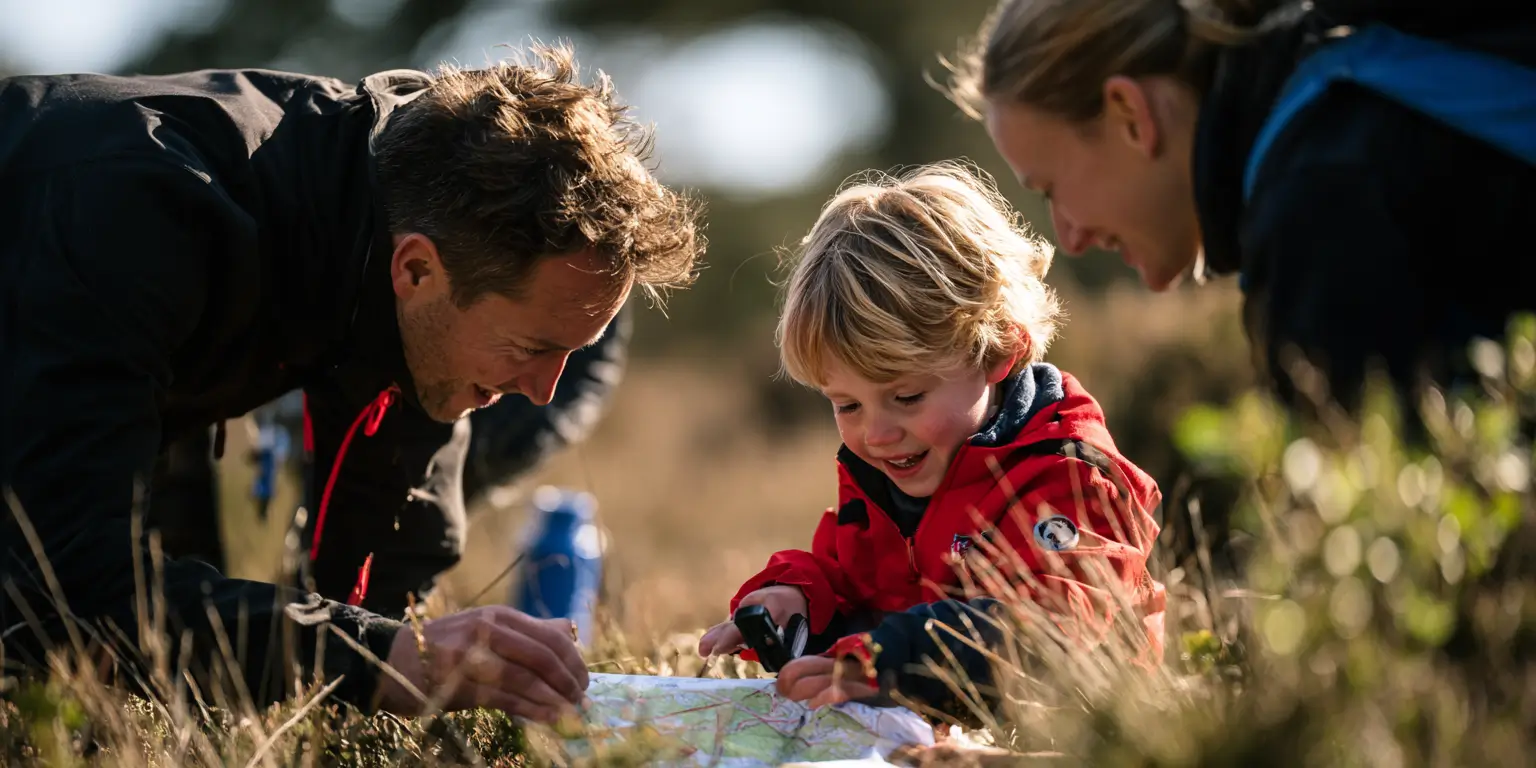
You can also let kids take turns leading for short stretches on safe, easy trails. That gives them a sense of ownership and keeps them engaged. For older kids, a simple map-reading role can make them feel like part of the team. The more involved they feel, the more likely they are to stay excited instead of complaining about distance.
Don’t be afraid to slow down. Many beginner families think the goal is to cover miles, but the real win is quality time outdoors. Stop for water breaks. Sit on a log. Look at the view. Let the moment breathe. Those pauses are where the magic happens.
Teach trail safety without killing the vibe
Safety is the backbone of a successful family hike, but it does not have to feel heavy or scary. Before heading out, give everyone a few simple rules: stay on the trail, keep within sight, listen for whistles or calls, and never approach wildlife. Kids understand clear rules when they are explained calmly and consistently.
It also helps to talk about what to do if someone gets separated. For younger children, teach them to stop where they are and stay put. For older kids, agree on a meeting spot and a simple emergency plan. If your trail has markers, show them how to recognize them. A little education goes a long way toward building confidence.
For wildlife encounters, the main message is respect. Admire animals from a distance, never feed them, and make sure food stays packed away when not in use. Even on beginner trails, it is smart to be aware of insects, ticks, and sun exposure. A quick check after the hike is a good habit for the whole family.
Fuel the adventure with good snacks and breaks
Snacks are not just food on a family hike. They are morale boosters. A well-timed snack break can reset energy, improve attitudes, and turn a tired group into a happy one. Choose items that are easy to hand out and easy to eat without making a mess. Think bananas, grapes, pretzels, jerky, cheese sticks, and nut-free trail mix if you need a school-safe option.
Water is equally important. Encourage regular sipping instead of waiting until someone is already thirsty. If the hike is longer or warmer than expected, pauses for hydration become even more valuable. For kids, making water breaks feel like part of the adventure can help build good habits without a lot of nagging.
A small picnic at the halfway point or at the end of the trail can also add something special to the day. Even a simple blanket and a few sandwiches can make the outing feel like a celebration. That kind of finish leaves a lasting impression.
Know when to turn back
One of the most important skills in beginner family hiking is knowing when to adjust the plan. If someone is getting overly tired, the weather changes, or the group is losing morale, it is perfectly fine to shorten the route or head back early. That is not failure. That is smart trail leadership.
Seasoned outdoor families know the real win is building positive experiences that make everybody want to go again. If the first hike ends a little early but everyone had a good time, you have already done something right. Confidence grows from success, not from pushing too hard.
As your family gains experience, you can gradually try longer trails, steeper climbs, or more rugged terrain. But for now, the focus should stay on creating a fun rhythm: prepare well, move at a comfortable pace, stay safe, and enjoy the day together.
There is a special kind of joy in watching a family discover the trail together. The laughter, the little victories, the shared snacks, and the fresh air all come together in a way that feels bigger than the hike itself. That is the beauty of beginning this journey. You are not just planning a walk in the woods. You are building a tradition, one step at a time, and that is a win worth cheering for.