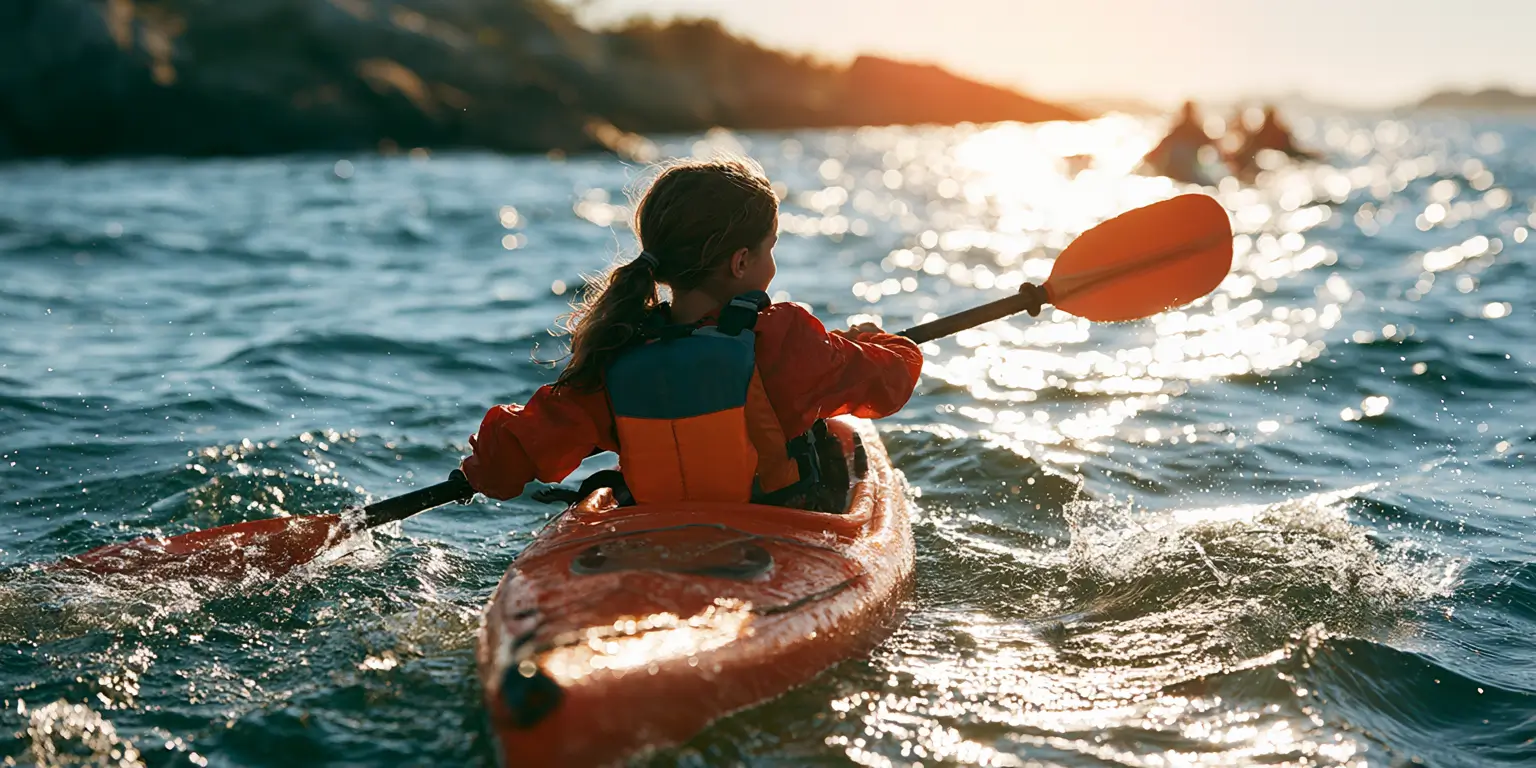
Family kayaking sounds wholesome, scenic, and mildly Instagrammable. In reality, it is a floating test of patience, packing discipline, and whether the adults in charge can remember that water is not a theme park. The good news? It is also one of the best ways to get kids outside without dangling a screen in front of them. The bad news? People treat safety like an optional upgrade until the kayak tips, the snacks sink, and someone announces they “didn’t know it could be this cold.”
If you are new to family kayaking, the smartest move is not buying the fanciest boat or the loudest dry bag. It is learning what actually matters before you shove off. The goal is not to look like a seasoned expedition crew. The goal is to get everyone home dry enough, safe enough, and still speaking to each other.
Choose the right kayak or you are already making things harder
Let us start with the uncomfortable truth: many beginners pick gear backwards. They obsess over color, brand, and cup holders, then ignore stability and comfort. For family trips, a stable sit-on-top kayak or a wider recreational kayak is usually the wiser choice. Speed is overrated when you are carrying a child, a snack bag, and the emotional burden of being the designated adult.
Solo kayaks can work for family outings if each person paddles their own boat and you keep the group tightly together. Tandem kayaks are fine too, but only if you and your paddling partner can cooperate without passive-aggressive sighing every 90 seconds. If your family dynamic already feels like a reality show, separate kayaks may actually be safer.
Check the weight capacity before you launch. This is not a suggestion; it is math. A kayak overloaded with people and gear handles badly, sits lower in the water, and turns a relaxing outing into a slow-motion disaster. If in doubt, go lighter than you think you need.
The gear list nobody should ignore
Family kayaking does not require a mountain of equipment, but it does require the right basics. Anything less is just optimism with paddles.
- Proper life jackets: Not the dusty ones from the garage. Everyone needs a well-fitting, Coast Guard-approved personal flotation device.
- Paddles sized correctly: Too short or too long and you will spend the day awkwardly splashing like you are fighting the water instead of traveling on it.
- Dry bag: For phones, keys, snacks, spare clothes, and anything you would cry over if it sank.
- Water and snacks: Hunger and dehydration turn children into tiny chaos agents faster than a broken paddle.
- Sun protection: Sunscreen, hats, sunglasses with straps, and rash guards if you want fewer complaints later.
- Whistle: Small, cheap, and useful when someone paddles off, panics, or decides to practice their dramatic yelling.
- First-aid kit: Blisters, scrapes, and random kid injuries have a magical way of appearing outdoors.
- Change of clothes: Because somebody will get wet. Probably somebody who swore they would not.
If you are kayaking with younger children, pack a towel, a familiar snack, and one comfort item. This is not weakness. It is strategic parenting. A calm child is much easier to manage than an exhausted one with windburn and a grudge.
Life jackets are not negotiable, and no, your child is not an exception
This deserves its own section because people still act like life jackets are for “serious” kayaking, which is a bizarre way to flirt with trouble. Everyone on the water should wear one. Not stashed in the boat. Not buckled loosely while sitting on top of it. Worn properly.
For children, the fit matters even more. A jacket that rides up over the chin is useless. Straps should be snug, and the jacket should be designed for their size and weight. If a child slips into the water, you do not want to discover the jacket was basically a decorative vest.
Adults need them too. The argument that “I know how to swim” is charming until cold water, panic, fatigue, or a surprise current enters the chat. Swimming ability helps. It does not make you invincible.
Pick calm water, not a proving ground
Beginners love to overestimate conditions. They look at a lake, a river, or a sheltered bay and think, “How hard can it be?” The water responds by humbling them. Start on calm, protected water with minimal boat traffic, mild wind, and predictable conditions. A quiet lake or a slow-moving, beginner-friendly stretch is ideal.
Avoid strong currents, large wakes, rough wind, fast-moving water, and any area where you would have to explain an emergency to a ranger with a straight face. If the weather forecast looks questionable, reschedule. Family kayaking is supposed to be fun, not a weather-based character test.
Also, pay attention to water temperature. Warm air does not mean warm water. Cold shock is real, and it can turn a simple capsize into a serious problem. Beginners often ignore this because the day looks sunny. The water, however, is not interested in the mood.
Teach the family the basics before launch
The worst time to explain kayaking rules is when you are already drifting away from shore. Before you get in, make sure everyone knows the basics:
- How to hold and use the paddle
- How to sit properly in the kayak
- What to do if the boat tips
- How to stay close to the group
- How to signal for help
- How to remain seated unless told otherwise
If your kids are old enough, practice getting in and out of the kayak near shore first. Let them feel the boat wobble a little in a controlled setting. Confidence grows through familiarity, not through surprise.
Keep the first trip short. This is not the day to attempt a majestic all-day voyage. End while everyone is still having fun, not after the youngest paddler has entered the “I am done with this” phase. A short, successful outing creates enthusiasm. A miserable epic creates lifelong resistance.
Pack like a minimalist who has learned from mistakes
People overpack because fear makes them theatrical. They bring half the garage, then spend the day rummaging through gear they never use. The trick is to bring the essentials and keep them accessible.
Put the items you may need fastest where you can reach them without performing a kayak acrobat routine. That means water, snacks, sunscreen, whistle, and phone in a dry bag should be easy to access. Heavy gear should be secured low and centered so the kayak stays balanced.
One of the biggest beginner errors is packing loose items that can blow away or fall out. The water is an expert thief. If it is not secured, it is already planning its escape.
Stay visible, stay together, stay sensible
Family kayaking is less about individual performance and more about group management. If you split up, drift apart, or let the fastest paddler disappear around a bend, you are making everyone work harder. Keep the group close enough to communicate easily.
Bright clothing and visible gear help, especially in busy waters. Visibility is not vanity; it is smart risk management. If you are kayaking near other boats, choose routes that keep you out of traffic lanes and away from blind spots. Big boats do not always see small ones, and being technically right is no comfort if you are also technically submerged.
Use simple hand signals or agreed-upon calls for stop, help, wait, and turn back. Water carries sound unpredictably, and shouting across a distance is a good way to lose both your voice and your authority.
What to do if something goes wrong
Capsizes happen. So do sudden fears, dropped paddles, and the moment when one person realizes they need a bathroom immediately. A family kayaking plan should include basic emergency responses, because improvisation is not a rescue strategy.
If a kayak tips, stay calm and stay with the boat if possible. The kayak is easier to see than a person in the water. If someone falls out, help them back into the boat only if conditions are safe and you know the technique. Otherwise, head for shore or call for assistance. The priority is keeping everyone together and preventing panic from multiplying.
If the weather changes fast, turn around early. Pride is a terrible navigation tool. The smartest kayakers are the ones who know when the outing has stopped being fun and started being foolish.
Make the trip enjoyable without turning it into a logistical circus
Family kayaking works best when it feels light, not like a military operation with fruit snacks. Build in rest breaks, bring easy food, and let the experience be about moving through the water rather than conquering it. Kids remember the ducks, the ripples, the splash on their shoes, and whether the adults stayed relaxed.
Do not turn every minute into a lecture. Teach a few rules, repeat them clearly, and let the rest unfold. Children often enjoy kayaking more when they feel trusted and included. And yes, adults enjoy it more when they stop trying to micromanage every paddle stroke.
The real secret is that family kayaking is not about perfection. It is about preparation plus flexibility. Bring the right gear, choose forgiving conditions, and respect the water enough to avoid stupid decisions. Do that, and you get something better than a photo opportunity: a trip that feels adventurous without being reckless.
And if the day goes well, congratulations. You have just proven that family fun does not have to be loud, expensive, or screen-based. Sometimes it just needs a stable boat, a decent snack, and the humility to remember that water always gets the final say.