Ask almost any athlete about progress, and the conversation usually turns to harder sessions, heavier lifting, faster runs, or more court time. But the quieter part of the routine is often the one that keeps everything moving: recovery. Rest days are not a sign of slacking off. They are part of the work. In a lot of ways, they are where the body catches up, the mind resets, and the next big effort starts to feel possible again.
That can be a hard mindset shift, especially for people who love momentum. If you’re used to showing up every day and pushing hard, a rest day can feel a little strange at first. Still, some of the best athletes treat recovery like a skill. They don’t just stop; they use the day with intention. Here are ten simple things athletes can do on rest days to feel fresher, stay healthier, and come back with a little more fire.
1. Sleep a little more than usual
This one sounds almost too simple, but it matters. Sleep is the body’s favorite recovery tool, and rest days are a good time to let it do its job. If your schedule allows, try going to bed earlier or sleeping in a bit. Even one extra hour can make a difference in how you feel the next day.
It is not just about total hours, either. A calmer evening routine helps. Put the phone down a little earlier, keep the room cool, and give yourself a chance to actually unwind. A rested athlete tends to move better, think clearer, and handle training stress with less drama.
2. Keep moving, but keep it easy
Rest day does not always mean lying on the couch all day, though there is nothing wrong with a quiet day if that is what your body needs. Many athletes feel better when they do some light movement: a walk, a gentle bike ride, easy stretching, or a relaxed swim.
The point is not to chase fitness. It is to get blood flowing and loosen up without adding stress. Think of it like giving the body a polite nudge rather than a command. If you finish the session feeling lighter instead of tired, you’ve probably done it right.
3. Eat like recovery matters
Rest days are not cheat days, and they are not a reason to forget about food quality. In fact, recovery can be a great time to focus on balanced meals that actually support training. Protein helps repair muscles, carbohydrates refill energy stores, and healthy fats support overall health.
That does not mean eating like a robot. It just means being a little thoughtful. A colorful plate, enough fluids, and regular meals go a long way. Many athletes underestimate how much better they feel when they eat enough on the off days instead of trying to underfuel and “make up for” the previous workout.
4. Hydrate before you feel thirsty
Hydration is one of those things people only notice when it goes wrong. By the time you feel thirsty, you may already be behind. Rest days are a good chance to catch up, especially if you’ve had a hard week of training, warm weather, or lots of sweating.
Water is the obvious choice, but fluids can also come from meals, fruits, and vegetables. If you’ve been training hard, a little extra attention to hydration can help with energy, digestion, and how your body feels overall. It is a small habit, but it adds up quickly.
5. Do a quick body check-in
One of the underrated benefits of a rest day is having a little space to notice what is going on. When you are always rushing from one workout to the next, it is easy to ignore small aches, stiffness, or fatigue until they become bigger problems.
Take a few minutes to check in with yourself. Where do you feel tight? Are you sleeping well? Do you feel unusually drained? Nothing fancy is needed here. Just honest awareness. Athletes who pay attention to their body’s signals often make better decisions about when to push and when to pull back.
6. Roll, stretch, or get some soft-tissue work
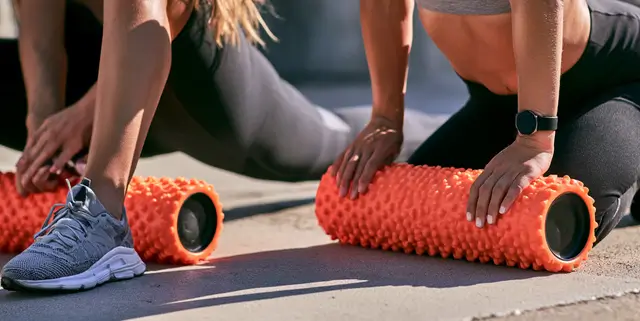
Foam rolling, gentle stretching, massage, or using a massage gun can all feel especially good on a rest day. These tools are not magic, but they can help you feel less stiff and more comfortable. More importantly, they can become part of a calming ritual that tells your body it is time to recover.
The key is not to go too hard. A rest day is not the time to turn your hamstrings into a battle scene. Keep it easy, breathe normally, and focus on areas that tend to get tight. If it feels good and leaves you moving more freely, that is a win.
7. Handle the boring life admin
Sometimes recovery is not only physical. A cluttered life can drain energy just as much as a tough workout. Rest days are perfect for doing the annoying little tasks that pile up during a busy training week: laundry, meal prep, scheduling appointments, cleaning out your gym bag, or organizing your gear.
It may not sound glamorous, but it helps. When your surroundings are less chaotic, your mind often feels less chaotic too. And there is something satisfying about starting the next training block with clean kit, full bottles, and no mystery smell coming from the corner of your locker.
8. Spend time outside
Fresh air can do more for recovery than people give it credit for. A walk in the park, sitting in the sun for a bit, or just stepping away from screens and indoor noise can change the feel of the whole day. That little reset can be especially valuable for athletes who spend a lot of time in gyms, arenas, or on fields.
Sunlight, in reasonable doses, may also help support a healthy sleep rhythm. And even if you are not thinking about physiology, there is a mental lift that comes from being outside. Recovery is easier when you feel like a person and not just a training machine.
9. Do something fun that has nothing to do with sport
This might be the most underrated rest day habit of all. Athletes can get locked into performance mode so easily that every hour starts to feel like it should be productive. But recovery often improves when your brain gets a break from the identity of “athlete” for a while.
Watch a movie. Meet a friend for coffee. Read something silly. Cook a new recipe. Go to a concert. Play a board game. The activity itself matters less than the feeling of lightness it brings. A good rest day can remind you that life is bigger than training, which often makes training feel better when you return to it.
10. Plan the next session without obsessing over it
Rest days are a smart time to look ahead, but not to spiral. Check your calendar, note the next workout, and make a simple plan for how you want to show up. Maybe that means setting out your gear, preparing a snack, or deciding what time you need to leave the house. Small preparations reduce stress later.
What you want to avoid is turning rest day into a mental rehearsal marathon. You do not need to spend hours analyzing every rep or imagining every possible outcome. Just enough planning to feel organized, not overwhelmed. Confidence often grows from that kind of calm preparation.
The bigger idea: recovery is part of performance
It is easy to think of rest days as something you earn after doing enough work. In reality, they are part of the work itself. The body adapts between sessions, not only during them. The mind gets sharper when it is not constantly under pressure. And the emotional side of sport, which people sometimes forget about, also needs breathing room.
That is why the best rest days usually have a rhythm to them. There is a little movement, a little nourishment, a little organization, and at least one thing that makes you smile. Some athletes like a very structured recovery day. Others prefer to keep it loose. Either way, the goal is the same: arrive at the next session feeling more ready than when you left the last one.
If you are someone who struggles to slow down, start small. Pick three of the ten ideas above and make them part of your regular rest day routine. Maybe it is sleeping in, going for a walk, and eating a proper lunch. Maybe it is stretching, drinking more water, and seeing a friend. Recovery does not have to be complicated to work well.
In sport, people love the highlights: the winning shot, the personal best, the comeback, the trophy lift. But behind most of those moments is a lot of quiet, unglamorous recovery. The athletes who treat rest with respect are often the ones who stay in the game longer and enjoy it more. So on your next day off, do not apologize for resting. Use it well. That, too, is training.