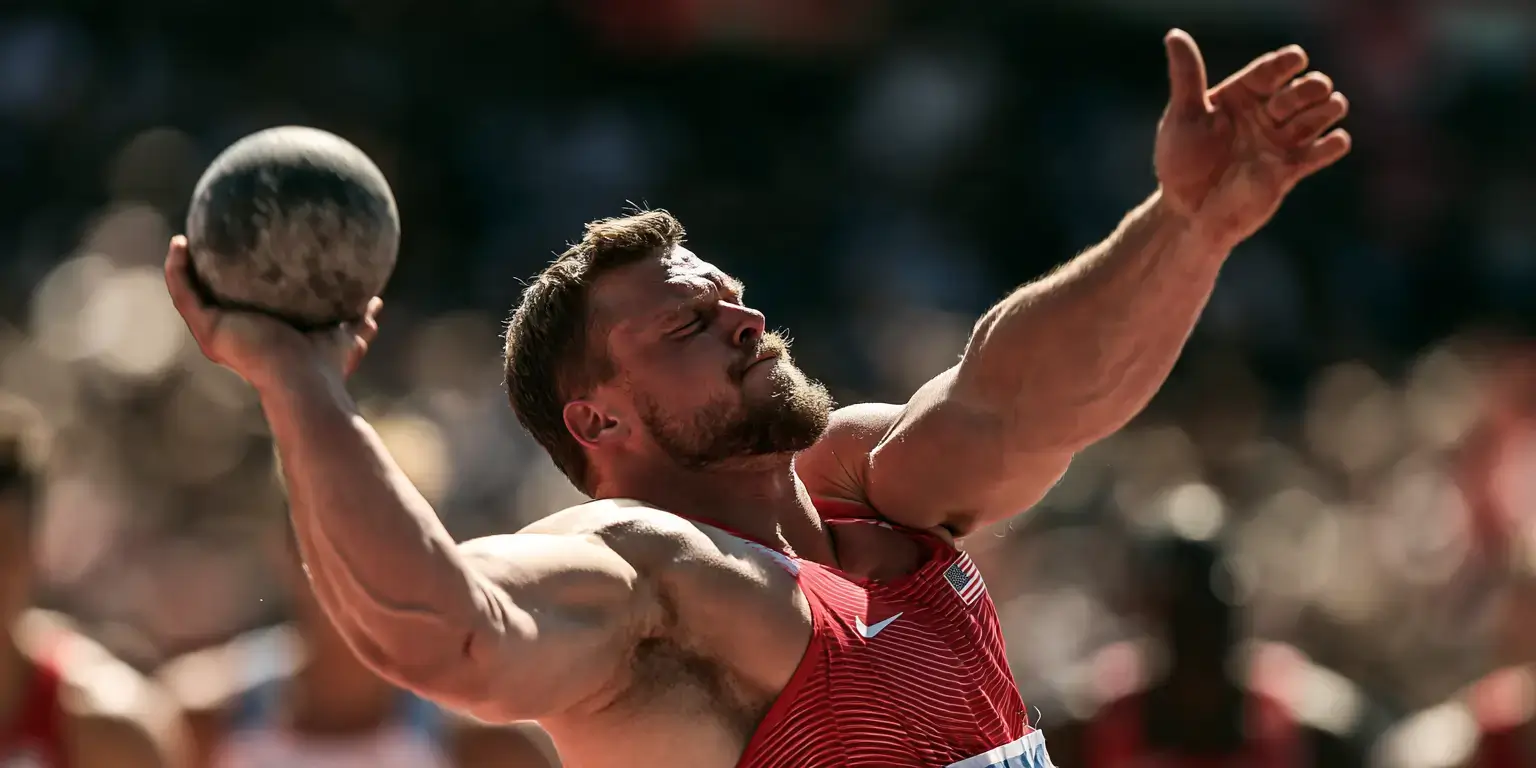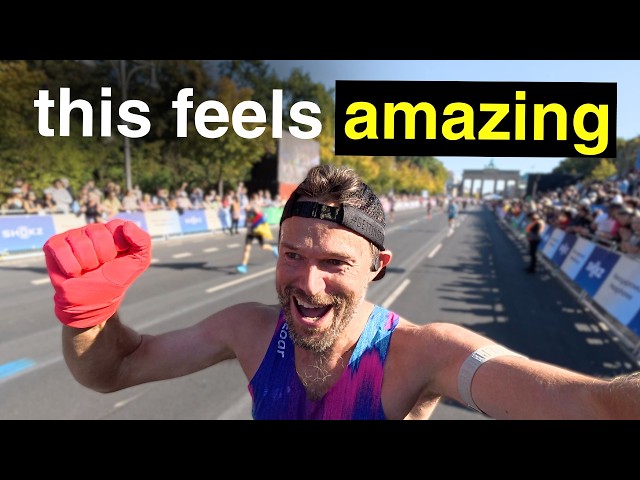
Absolutely—you can still get faster after 30. I’ve seen it from the inside of a locker room, and I’ve lived it myself: the stopwatch does not suddenly turn into a referee when you hit your thirties. What changes is the way you earn speed. In your twenties, a lot of runners get away with raw bounce, endless mileage, and recovery that never seems to matter. After 30, speed becomes a smarter game. You win with structure, consistency, and a little more respect for the body’s signals.
Speed does not disappear, but it does change shape
The biggest myth is that speed belongs to the young and fading legs. That is not how it works. What often drops first is not your ability to run fast, but your ability to recover from the mistakes that used to be easy to shrug off. Tendons get tighter, sleep matters more, and every hard session leaves a bigger mark. The good news is that maturity also brings better discipline. Most runners over 30 train with more patience, more purpose, and less ego. That alone can unlock real improvement.
If you have ever been on a team, you know this truth: the smartest athlete is usually the one still available in the fourth quarter. Running is no different. Staying healthy is part of getting faster. The runner who strings together twelve weeks of solid work will almost always beat the runner who keeps trying to prove something on Tuesday and limps through Thursday.
Train for speed like it matters, not like it is a bonus
If you want better pace, you need speed work on the schedule, not just long slow miles and hope. That means intervals, strides, hill sprints, and tempo runs. But here is the veteran’s lesson: the purpose of speed work is not to destroy you. It is to sharpen you.
Try this weekly mix:
- One interval session such as 6 x 400 meters, 5 x 800 meters, or 4 x 1,000 meters at a hard but controlled effort.
- One tempo run to build the ability to hold a faster pace without breaking down.
- Two easy runs that actually stay easy, because recovery is training.
- One long run for aerobic strength, even if your main goal is speed.
- Strides after easy runs, 4 to 8 short accelerations to remind the legs how to turn over.
That mix works because speed is not just top-end quickness. It is also economy, rhythm, and the ability to repeat effort. In the locker room, we used to say the best athletes were efficient under pressure. Runners are the same. The less energy you waste, the faster you can go for the same effort.
Strength training becomes your hidden weapon
After 30, strength work stops being optional if you want to keep improving. I am not talking about turning into a bodybuilder. I am talking about building the kind of durability that keeps your stride stable late in a workout and late in a race.
Focus on the basics: squats, lunges, deadlifts, calf raises, single-leg work, and core training. The point is to support your running mechanics, not to chase soreness. Strong glutes help you keep form when fatigue sets in. Strong calves and feet help with stiffness and ground contact. A solid core keeps your torso from leaking energy with every step.
In team sports, everyone loves the flashy athlete until the game gets physical. Then the sturdy athlete starts winning battles. Running speed after 30 works the same way. Strength is what lets your speed show up on tired legs.
Recovery is not downtime; it is part of the plan
This is where a lot of runners over 30 finally level up. They stop treating recovery like a luxury and start treating it like preparation. That means sleep, hydration, mobility work, and real rest days. It also means listening when your body tells you something is off.
If you want to run faster, do not stack hard day after hard day and call it toughness. That is usually just poor planning. A better approach is to separate stress from adaptation. Hard sessions create the stimulus; recovery creates the improvement. Miss the recovery and you miss the progress.
Simple recovery habits that pay off:
- Get consistent sleep, especially after quality workouts.
- Use easy jogging or walking the day after hard efforts.
- Keep mobility work short and consistent rather than dramatic and occasional.
- Fuel properly, especially with enough protein and carbohydrates to support training.
- Respect nagging pain before it turns into a missed month.
Technique still matters, maybe more than ever
As runners age, small inefficiencies start to cost more. If your arms cross your body, your cadence drops, or you overstride, those little leaks add up. The fix is usually not to overhaul your running style overnight. It is to clean up the basics.
Think tall posture, relaxed shoulders, quick feet, and a slight forward lean from the ankles. Keep your arms driving back, not swinging wildly across your chest. Focus on landing under your center of mass rather than reaching for the ground. Many runners are surprised to find that a small increase in cadence can reduce pounding and improve speed without feeling frantic.
One of the best habits I ever picked up was doing strides after easy runs. They teach the body to move fast while fresh, and they remind you what efficient running feels like. Over time, that carryover shows up in workouts and races.
The mental edge gets stronger with age
There is also a mindset advantage that comes with being over 30. You stop needing every run to prove something. You understand pacing better. You know how to settle in when discomfort arrives. That kind of composure is huge in racing.
Younger runners often surge early because they are chasing adrenaline. Experienced runners know where the real race begins. They know when to cover a move, when to sit in, and when to empty the tank. That tactical patience can make you faster even if your raw leg speed has not changed much.
Think like a competitor, not a tourist. Every workout should have a purpose. Every recovery day should protect the bigger picture. Every race should be about execution, not panic.
Yes, you can get faster after 30
The answer is not just yes—it is yes, if you train with intent. Speed after 30 is built on consistency, strength, recovery, and smarter race habits. You may not bounce back like you did at 22, but you probably understand your body better than you did at 22, and that matters more than people admit.
Real speed is not only about who has the freshest legs. It is about who can keep showing up, stay healthy, and stack quality work long enough for the body to adapt. That is veteran training. That is locker-room wisdom. And that is how runners keep getting faster well past the age when others think they should be slowing down.