Running looks simple from the outside. You lace up, step out the door, and start moving. That’s part of the appeal. It feels accessible, almost democratic, like something anyone can try without needing much gear or a team or a complicated plan.
But a lot of new runners discover pretty quickly that running has its own little traps. Some are physical, some are mental, and some are just the kind of habits that seem harmless until they start making every run harder than it needs to be. The good news is that most beginner mistakes are very fixable once you notice them.
Here are nine common running mistakes beginners make without realizing it, plus a few simple ways to make the whole experience feel more enjoyable and a lot less punishing.
1. Going out too fast
This is probably the most common rookie mistake of all. You feel fresh, motivated, and maybe a little excited to finally get moving, so you start your run at a pace that feels almost heroic for the first few minutes. Then the bill comes due. Your breathing gets ragged, your legs turn heavy, and suddenly the run that started with so much promise turns into a survival exercise.
A lot of beginners think running hard at the start means they are doing it right. In reality, a good run often feels almost too easy in the beginning. If you can still talk in short sentences, that’s usually a better sign than trying to prove something in the opening mile.
Try this: Start slower than you think you should. Seriously. The first ten minutes should feel comfortable enough that you could imagine continuing for a while. That small adjustment can make the whole run feel smoother.
2. Doing too much too soon
When people get excited about running, they often assume progress should happen quickly. So they run more days, longer distances, or harder efforts almost immediately. It feels productive for about a week, until their body starts sending very loud messages in the form of soreness, fatigue, or little aches that refuse to go away.
Running rewards patience more than enthusiasm. That can be annoying, especially when motivation is high, but it’s true. Your heart and lungs may adapt faster than your muscles, tendons, and joints. That mismatch is where many beginner setbacks begin.
Try this: Add volume gradually. One extra run or a small increase in distance is plenty. Leave yourself wanting a little more instead of chasing a big jump.
3. Ignoring rest days
Rest days can feel suspicious to beginners. If you’re not running, are you still making progress? It’s a fair question, but rest is not laziness. Rest is where the body actually catches up.
Running creates stress on the body, and the body responds by repairing and adapting. Without recovery, you never really get the benefit of the work you’re doing. Instead, you just keep stacking fatigue on top of fatigue. That’s when runs start feeling stale, heavy, or frustrating for no obvious reason.
Try this: Build recovery into your routine from the start. Even if you feel eager, a day off can help your next run feel much better. Think of it as part of training, not a break from it.
4. Wearing the wrong shoes
People love to overcomplicate running gear, but shoes are one area where comfort really matters. Beginners sometimes grab an old pair from the closet, buy something based only on looks, or assume any sneaker will do the job.
Sometimes that works for a little while. Sometimes it doesn’t. If your feet feel beat up, your knees complain, or your run keeps ending with blisters, the shoes may be part of the story.
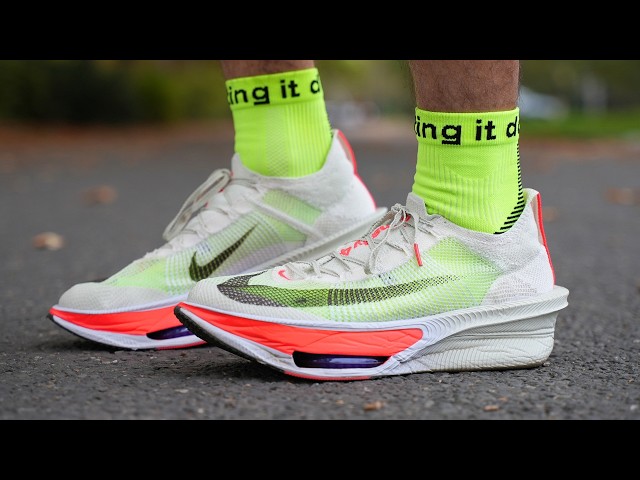
Try this: Choose shoes that feel comfortable right away. You do not need to become a gear expert overnight, but it helps to wear something made for running rather than just whatever happens to be lying around. A decent fit goes a long way.
5. Skipping warm-up and cool-down time
It’s tempting to treat running like a switch: on and off. But the body often appreciates a little transition. Starting at full speed from the first step can feel rough, and stopping abruptly after a hard effort can leave you feeling stiff or oddly winded.
A brief warm-up helps your body shift into movement, and a gentle cool-down gives everything a chance to settle. These don’t need to be elaborate. You’re not preparing for a movie montage. Just give yourself a few minutes on either end.
Try this: Begin with easy walking or very light jogging, then finish with a few minutes of walking after your run. It’s simple, but it makes a difference.
6. Treating every run like a test
Beginners often run with an invisible judge in their head. Every outing becomes a performance review: How fast was I? Was that far enough? Did I look terrible? Why did that hill feel so awful?
That mindset can drain the fun right out of running. Not every run needs to be impressive. Some runs are for fitness, some are for clearing your head, and some are just for showing up.
Try this: Let some runs be easy. Let some be messy. Let some be short. Progress is built from repetition, not from turning every outing into a personal best.
7. Not paying attention to breathing
When beginners get tired, they often assume they are simply not fit enough. Sometimes that’s part of it, but breathing patterns matter more than many people realize. If you hold your breath, breathe shallowly, or tense up when the pace rises, everything starts to feel harder.
Running breathing doesn’t have to be technical. In fact, overthinking it can make you more tense. Still, it helps to notice when your breath becomes short and frantic. That’s often the body’s way of asking you to slow down a little.
Try this: Focus on relaxed, rhythmic breathing. Many runners naturally settle into a steady inhale-exhale pattern once they ease off the pace. Comfort usually beats force.
8. Comparing yourself to other runners
This one sneaks in quietly. You see someone gliding past with perfect form, or you hear a friend casually mention a distance that feels impossible to you, and suddenly your own progress seems tiny.
But running has a way of making comparison unfair. Everyone starts from a different place. Some people played sports growing up. Some have been active for years. Some are simply further along their journey. None of that changes the value of your own effort.
Try this: Compare yourself to where you were two weeks ago, not to the fastest person on the path. Your pace is yours. Your reasons for running are yours too.
9. Forgetting to enjoy it
This may be the most important one. A beginner can follow all the practical advice in the world and still miss the point if running becomes a chore wrapped in guilt. If every session feels like punishment, it’s hard to stick with it.
The best thing about running for many people is not just fitness. It’s the little moments: the fresh air, the music in your ears, the quiet streets early in the morning, the satisfaction of getting out there when you almost stayed home. Those moments matter more than a perfect pace.
Try this: Find one thing to enjoy on each run. Maybe it’s your favorite playlist, a park route, a friend’s company, or just the feeling of finishing. If you can attach a little pleasure to the habit, it becomes much easier to keep going.
A few small habits that make running easier
If you want running to feel more natural, it often helps to keep things simple. You do not need a complicated plan or fancy watch to get started. A few steady habits can make the whole experience smoother:
- Run at an easy pace more often than a hard one.
- Take rest days seriously.
- Wear comfortable shoes that suit running.
- Stay consistent instead of chasing big leaps.
- Pay attention to how your body feels, not just what the schedule says.
That last one is especially important. Beginners sometimes assume discipline means ignoring discomfort, but smart runners learn to notice the difference between normal effort and something that needs attention. Soreness after a workout is one thing. Sharp pain that changes how you move is another.
There’s also a social side to running that people don’t talk about enough. It can be much easier to stay motivated when you make it part of your life instead of treating it like a strict project. That might mean running with a friend, joining a casual group, or just becoming the kind of person who knows their favorite route and favorite coffee stop afterward.
Running doesn’t need to be perfect to be worthwhile. In fact, it usually gets better when you stop trying to make every mile look impressive. The early stages are often messy, a little awkward, and full of tiny adjustments. That’s normal. Most runners, even the experienced ones, have been through the same phase.
So if you’re just getting started, be patient with yourself. Slow down, recover well, and give your body time to catch up with your enthusiasm. A sustainable running habit is built from small wins, not dramatic efforts. And once the routine starts to settle in, you may find that the real reward is not just how far you can go, but how good it feels to keep going at all.