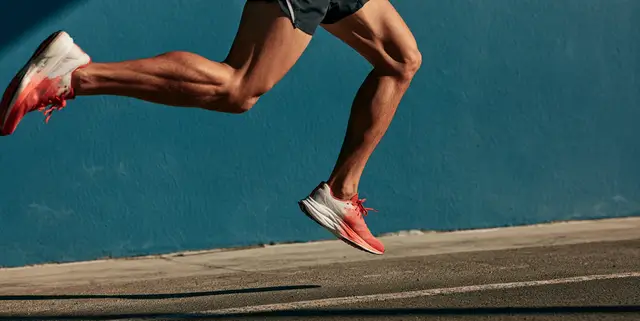
When I was training and recovering through long seasons, one thing became clear fast: fats are not the enemy. They are fuel, structure, and recovery support when the body knows how to handle them. Lipid metabolism is the system that breaks down fats, moves them where they need to go, stores them when there is extra, and pulls them back out when demand spikes. If you have ever watched a team manage energy across four quarters, you already understand the idea. The body is constantly deciding when to use quick fuel, when to save it, and when to call on deeper reserves.
What lipid metabolism actually does
Lipids are a broad category, but in everyday nutrition talk we usually mean fats and fat-like compounds. The body uses them for far more than just calories. They help build cell membranes, support hormone production, cushion organs, and keep the nervous system running smoothly. From a performance standpoint, fats are also a dense energy source. Compared with carbohydrates, they carry more than twice the energy per gram, which is why the body treats them like a valuable reserve.
Lipid metabolism covers the full cycle: digestion, absorption, transport, storage, mobilization, and breakdown. It starts in the gut, but the real action happens in the bloodstream, liver, muscle, and fat tissue. In the locker room, we used to talk about “having a tank” or “running on fumes.” Lipid metabolism is part of what determines which one applies.
Digestion and absorption of dietary fats
Fat digestion begins as soon as food enters the body, but it gets serious in the small intestine. Bile acids, made by the liver and stored in the gallbladder, emulsify fat into smaller droplets. That makes it easier for enzymes like pancreatic lipase to break triglycerides into smaller components. Once that happens, the intestines absorb fatty acids and monoglycerides and package them into particles called chylomicrons.
Chylomicrons are the delivery trucks. They carry dietary fat through the lymphatic system and into the bloodstream, where tissues can use it or store it. This is one of those behind-the-scenes processes athletes rarely think about, but it matters. If absorption is inefficient, energy availability and nutrient delivery can suffer. In team terms, you do not want your support unit dropping the ball before the play even develops.
Transport: how fats move through the body
Because fat does not mix well with water, it needs carriers to travel in blood. That is where lipoproteins come in. You have probably heard of LDL and HDL, but those are just part of the bigger picture. Lipoproteins package lipids so they can move through the watery environment of the body.
- Chylomicrons transport dietary fat from the intestine to tissues.
- VLDL carries triglycerides made by the liver.
- LDL delivers cholesterol to cells.
- HDL helps return excess cholesterol to the liver for recycling or disposal.
From a practical standpoint, the liver acts like a central coordinator. It decides whether to store, ship, or repurpose lipids based on what the body needs. That is classic game management: read the situation, move the ball, keep the whole system balanced.
Storage: the body’s long-term fuel bank
When energy intake is higher than immediate demand, the body stores excess fat in adipose tissue. Inside fat cells, triglycerides are packed away for later use. This storage is not a flaw. It is a survival feature. In the old days, and honestly in hard training blocks too, the ability to store energy could be the difference between holding up and breaking down.
Adipose tissue does more than sit there. It is hormonally active. It sends signals that help regulate appetite, metabolism, and inflammation. That means body fat is not just passive padding; it is part of the communication network. The challenge is balance. Too little fat can impair hormone function and recovery, while too much can make metabolic control less efficient.
Mobilization: calling on stored fat
When energy demand rises, the body needs access to stored fuel. Hormones like adrenaline and glucagon tell fat cells to break down triglycerides into free fatty acids and glycerol. These components are released into the blood and delivered to working muscles and the liver.
This is where training strategy matters. The body becomes better at mobilizing and using fat with consistent aerobic work, proper recovery, and sound nutrition. I have seen athletes chase extreme low-carb approaches thinking it would magically boost fat use, but the reality is more nuanced. The body uses a mix of fuels depending on intensity, duration, and training status. At lower intensities, fat contributes more. As intensity rises, carbohydrate becomes more important because it can be burned faster.
Beta-oxidation: turning fat into usable energy
Once fatty acids enter muscle cells, they travel into the mitochondria, the cell’s energy factories. There they undergo beta-oxidation, a step-by-step process that chops fatty acids into smaller units called acetyl-CoA. Those units then enter the citric acid cycle and ultimately lead to ATP production, which is the immediate energy currency the body uses for movement.
This process is efficient but slower than carbohydrate breakdown. That is why fats are better suited for sustained efforts than explosive bursts. In sport, that is the difference between a steady defender grinding through minutes and a sprinter needing instant acceleration. Both fuel systems matter. The smartest teams know how to switch gears without panicking.
The liver’s role in lipid metabolism
The liver deserves special mention because it is the command center for lipid balance. It helps make bile, processes fat-derived nutrients, converts excess carbohydrates into fat through lipogenesis, and produces ketone bodies when carbohydrate availability is low. Ketones can serve as an alternative fuel for the brain and muscles during extended fasting or very low-carb intake.
This flexibility is one of the body’s most impressive traits. It does not rely on one fuel source alone. It adapts. That is a lesson every athlete learns eventually: the best systems are not rigid. They are prepared to respond to changing conditions, whether that is a grueling road trip, a packed schedule, or a game plan that gets messy early.
Factors that influence lipid metabolism
Several things affect how well the body processes fats:
- Exercise improves mitochondrial function and fat oxidation.
- Diet composition changes how much fat is absorbed, stored, or used.
- Hormones such as insulin, cortisol, glucagon, and adrenaline shift fuel preference.
- Genetics influence cholesterol handling and enzyme activity.
- Sleep and stress affect metabolic regulation and appetite control.
In the real world, these factors overlap. A player who is under-recovered, poorly fueled, and stressed out will not metabolize fats the same way as someone who is rested and training well. Metabolism is not just chemistry; it is context.
Why lipid metabolism matters for health and performance
A healthy lipid metabolism supports endurance, stable energy, hormone production, and cardiovascular health. It also helps the body manage blood lipids in a way that reduces risk over time. For active people, good fat metabolism means better fuel flexibility. You can lean on carbohydrates when the pace is high and still have the machinery to use fat when the effort is steady.
From experience, the athletes who last are rarely the ones obsessed with one magic nutrient. They are the ones who understand systems. They respect recovery, eat with purpose, and know that the body performs best when its energy pathways are working together. Lipid metabolism is one of those systems that keeps the whole operation running, often quietly, until you need it most.
In the end, fats are not just something the body stores. They are part of how the body adapts, powers movement, and stays ready for the next play.