Starting a sport for the first time can feel a little intimidating, but it does not have to be. In fact, some of the best sports for beginners are the ones that make it easy to learn by doing, easy to find other people to play with, and easy to enjoy even when you are not especially skilled yet. That is the real secret: the best beginner sport is usually the one that helps you have fun right away.
If you have been thinking about getting more active, joining a local league, or just trying something new on the weekend, this guide is a relaxed way to explore your options. These sports are popular for a reason. They are welcoming, social, and often more forgiving than they first look from the outside. You do not need to be an athlete to start. You just need a little curiosity and a willingness to give it a go.
Walking
Walking may not sound like a sport at first, but for many beginners, it is the easiest entry point into an active lifestyle. It requires no special gear beyond comfortable shoes, and you can do it almost anywhere. A brisk walk around the neighborhood, a park trail, or a local waterfront can quickly become a habit that feels more like a break than a workout.
What makes walking especially beginner-friendly is how low-pressure it is. You can do it alone for a quiet reset, or with a friend for a catch-up that happens to involve movement. Many people start with walking and gradually build up to jogging, hiking, or other more demanding activities. It is a simple way to build confidence without feeling overwhelmed.
Swimming
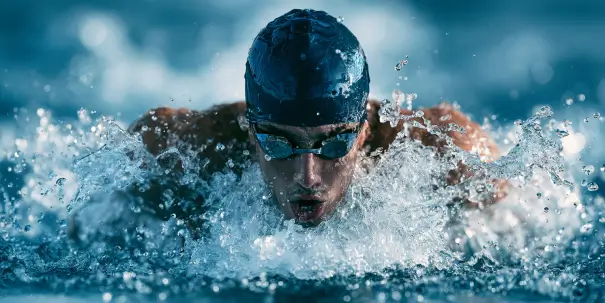
Swimming is one of those activities that looks graceful from the outside and feels surprisingly refreshing once you get into it. It is also kind on the body, which makes it appealing for people who want exercise without a lot of impact on the joints. If you have access to a pool or a safe swimming area, it can be a fantastic beginner option.
For many people, the appeal of swimming is the mix of exercise and escape. The moment you are in the water, the noise of the day seems to fade a little. You can focus on breathing, movement, and rhythm without needing to think about much else. Even if you are not doing long laps, simply getting comfortable in the water can be a big and rewarding first step.
Cycling
Cycling has a friendly, adventurous feel to it, whether you are riding around your local streets or exploring a trail on the weekend. It is a great choice for beginners because you can control the pace. You can take it slow, stop often, and gradually build your stamina as your confidence grows.
There is also something cheerful about cycling that makes it easy to stick with. It can be practical, fun, and social all at once. Some people use it to commute, others treat it like a weekend outing, and plenty of beginners enjoy it as a way to see more of their surroundings than they would on foot. A helmet, a decent bike, and a safe route are enough to get started.
Running or Jogging
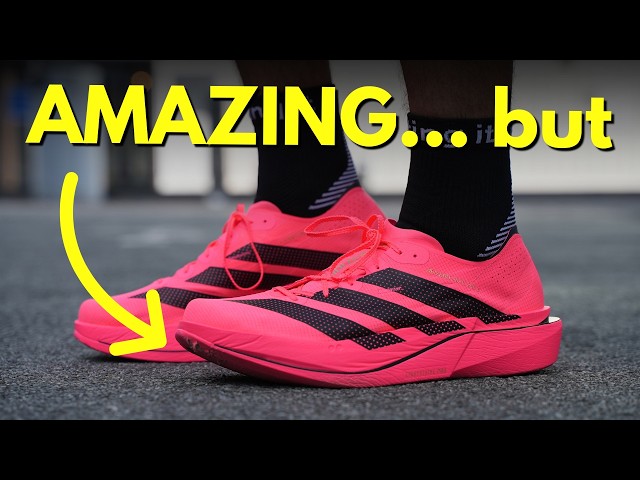
Running can seem intimidating because people often imagine fast paces, long distances, and highly disciplined training plans. But beginner running is much more relaxed than that. Many people begin with a run-walk routine, alternating short bursts of jogging with walking until their body adjusts. That simple approach can make all the difference.
What is appealing about running is how accessible it is. You do not need a field, a team, or a lot of equipment. You can go out the door and start wherever you are. For beginners, the focus should not be speed or distance. It should be about building a habit, enjoying the fresh air, and noticing small improvements over time. There is a lot of satisfaction in realizing you can go a little farther than you could a few weeks ago.
Yoga
Yoga is a favorite starting point for people who want movement that feels calm, steady, and personal. It is less about competition and more about learning how your body moves. That makes it especially approachable for beginners who may feel self-conscious about joining a sport with a steep learning curve.
One of the best things about yoga is how many ways there are to practice it. You can do a short online session at home, attend a beginner class, or simply work through a few basic poses in the morning. It can improve balance, flexibility, and body awareness, but it also offers something less measurable: a sense of calm. For many people, that combination is exactly what makes yoga stick.
Tennis and Pickleball
Racket sports can be a great choice for beginners because they are easy to understand at a basic level and often very social. Tennis has long been a classic, while pickleball has become especially popular for being approachable, fast-moving, and fun in a casual setting. Both sports give beginners a chance to learn while still enjoying the back-and-forth of a real game.
Pickleball in particular has built a reputation as one of the friendliest sports around. The court is smaller, the pace can be easier to manage, and many newcomers are drawn in by the lighthearted atmosphere. Tennis may take a little more practice, but it can be incredibly rewarding once you start to feel the rhythm of serving, returning, and rallying. In both cases, the social side is a big part of the appeal.
Soccer
Soccer is one of the most widely played sports in the world, which means it is often easy to find a group, a local club, or a casual kickabout in the park. It is a team sport, but beginners can usually jump in without needing to know every detail right away. The basic idea is simple: move the ball, work with your teammates, and have a go.
For newcomers, the fun of soccer often comes from the energy of being part of a group. Even if you are still learning positioning or how to control the ball more smoothly, there is something exciting about being involved in a game that keeps moving. It is a sport that rewards effort, enthusiasm, and a willingness to learn as you play.
What to Look for When Choosing Your First Sport
When you are deciding where to begin, it helps to think less about what looks impressive and more about what feels realistic and enjoyable. A sport that fits your schedule, your personality, and your current fitness level is much more likely to become a habit.
Here are a few simple things to consider:
- Accessibility: Can you do it near home, with minimal equipment, or in a nearby park or gym?
- Social comfort: Do you want a solo activity, a partner sport, or a team environment?
- Physical demand: Does it match your current energy and fitness level?
- Learning curve: Can you pick it up quickly enough to stay interested?
- Enjoyment: Most importantly, do you actually want to do it again?
It is also worth remembering that beginners do not need to be perfect. A lot of the fun comes from being new. There is something encouraging about trying a sport for the first time and realizing that everyone started somewhere. Even people who look effortless now were once learning the basics, making mistakes, and figuring things out one step at a time.
How to Make Starting Easier
The easiest way to get going is to keep the first attempt small. You do not need to sign up for a full season, buy a complete kit, or set ambitious goals on day one. A single class, a short ride, a walk with a friend, or a beginner session at a local center can be enough to see whether something clicks.
It can also help to make the experience social. Trying a sport with someone else often lowers the pressure and raises the fun. A friend can make walking feel like an outing, cycling feel like an adventure, and a beginner class feel less like a test. Even if you go alone, choosing a welcoming environment can make the process much easier.
Another useful mindset is to pay attention to the small wins. Maybe you lasted longer than expected, learned one new skill, or simply felt better afterward than you expected. Those little moments matter. They are often what turn a casual experiment into something you want to keep doing.
Getting started in sport does not have to be about competition or performance. It can be about energy, connection, and the simple pleasure of moving your body in a way that feels good. Whether you begin with a walk around the block, a splash in the pool, a friendly game of pickleball, or a quiet yoga session at home, the important part is that you begin somewhere that feels manageable and enjoyable. Once you do, you may be surprised by how quickly a beginner activity starts to feel like your thing.