Sports in 2026 are shaping up to be a lot more than just scores, standings, and highlight reels. The way we watch, play, and talk about sport keeps changing, and that is part of the fun. Some of the biggest trends are happening on the field, while others are about how fans connect with teams, events, and each other. From smarter gear to more social ways of being a supporter, 2026 looks like a year where sport feels even more personal and more shareable.
1. Women’s sport keeps growing fast
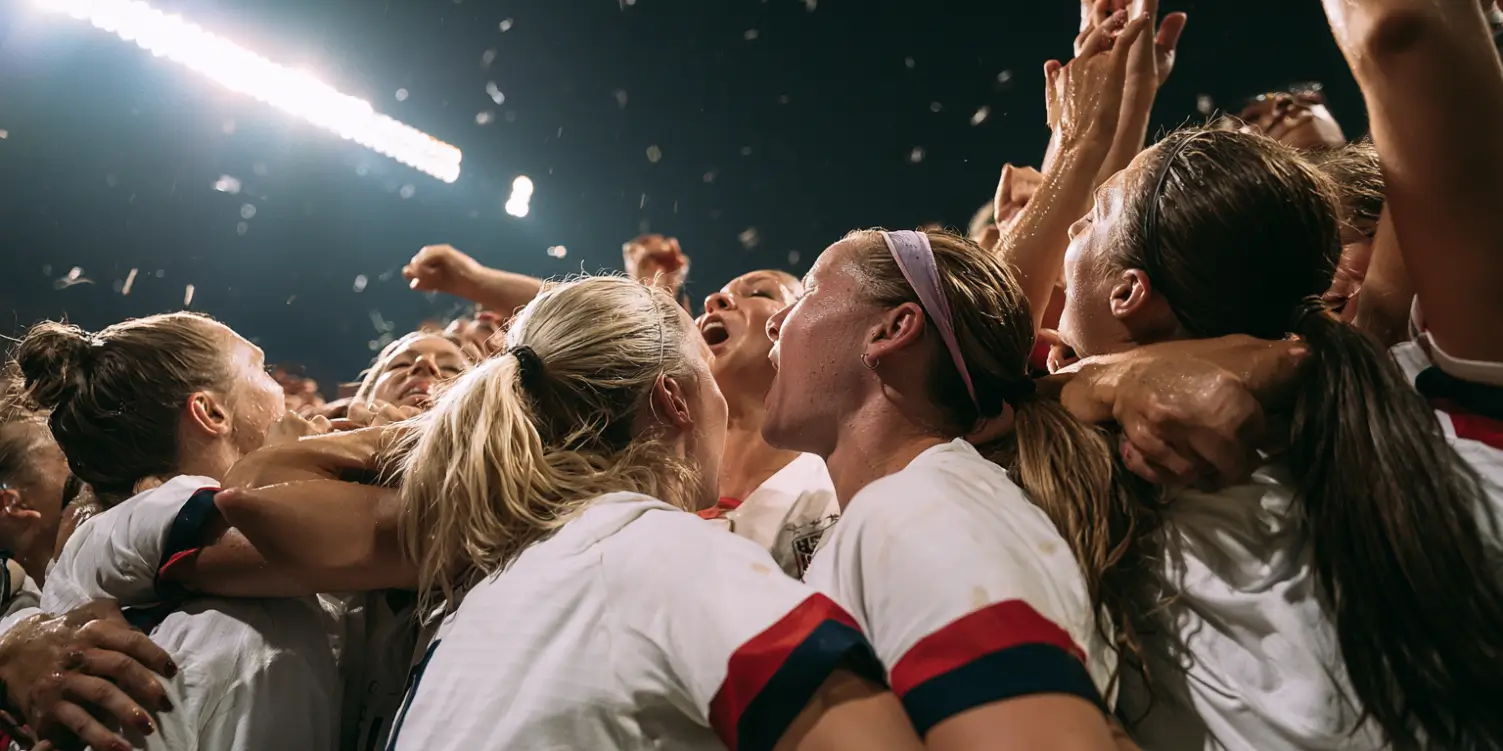
One of the clearest trends to watch is the continued rise of women’s sport across almost every level. More people are turning up, tuning in, and following women’s leagues with real enthusiasm, and that momentum does not seem like it is slowing down. The atmosphere around women’s events has become one of the nicest parts of the sports calendar, with families, casual fans, and first-timers all mixing together.
What makes this trend exciting is not just the bigger crowds. It is the sense that women’s sport is becoming a regular part of the mainstream conversation rather than something treated as an add-on. Expect more big moments, more coverage, and more fans proudly saying they have a team they follow every week.
2. Hybrid fitness and sport experiences
The line between fitness and sport keeps getting blurrier. In 2026, more people will be drawn to events and activities that mix competition, exercise, and social fun. Think community runs that feel like festivals, recreational leagues with a strong social side, and training sessions that are as much about atmosphere as performance.
This trend suits modern sports fans who want to do something, not only watch it. People are looking for ways to be part of the action without needing to be elite athletes. That means more group challenges, more charity events, more weekend tournaments, and more experiences where the post-game hangout is nearly as important as the game itself.
3. Smarter wearable tech on the everyday player
Wearables are no longer just for serious athletes or fitness obsessives. In 2026, more casual players will be using smart watches, performance trackers, and recovery tools to keep an eye on how they are doing. The appeal is simple: people like having a bit more information without turning sport into homework.
For the average player, this means better insight into sleep, recovery, heart rate, and general readiness to train or play. But the real trend is how normal this has become. It is now pretty common to hear someone in a weekend football match or social tennis group mention their steps, strain, or recovery score like it is part of the conversation. Sport is getting a little more data-driven, but in a friendly, everyday way.
4. Short-form highlights shape how fans follow games
Not everyone has time to sit through every match, and 2026 will make that even more obvious. Short-form video is becoming one of the main ways people stay connected to sports. A brilliant goal, a wild rally, a buzzer-beater, or a funny sideline moment can now travel faster than the full game itself.
This has changed the rhythm of fandom. Fans still care about full matches, of course, but they also want the clips, the reactions, and the best bits they can share with friends. The social side of sport is increasingly happening in bursts: a quick video, a group chat reaction, a meme, and then another clip ten minutes later. It keeps the energy high and makes even smaller sports feel part of the wider conversation.
5. More casual participation in traditionally serious sports
Some sports that once felt intimidating are becoming more welcoming to newcomers. In 2026, expect more beginner-friendly formats, more social leagues, and more spaces where people can try something without feeling like they need years of experience first. That is good news for sports like golf, tennis, cycling, rowing, and even martial arts-inspired fitness classes.
This trend is all about making sport feel approachable. People are looking for the pleasure of learning something new, laughing at their mistakes, and slowly getting better with friends. There is a real charm in watching a sport once seen as serious or exclusive become part of a casual weekend plan.
6. Fan culture becomes even more local and community-based
Global sport is huge, but local connection still matters a lot. In 2026, one of the strongest trends will be fans building closer ties to teams, clubs, and events in their own communities. This includes grassroots clubs, school sport, local derby days, and regional events that bring people together in a way big international broadcasts cannot always match.
Part of the appeal is the feeling of belonging. Fans want places where they are recognized, where the bar chat matters, and where the same faces show up week after week. Local sport has always had that energy, but it is getting more attention again as people look for real-world experiences that feel warm, familiar, and social.
7. Recovery becomes part of the culture
It used to be that recovery was something athletes talked about behind the scenes. In 2026, it is becoming part of everyday sports culture. Ice baths, stretching, massage guns, compression gear, mobility routines, and rest days are all now part of the normal conversation, even among casual players.
What is interesting here is how recovery has shifted from something dull into something almost aspirational. People like the idea of looking after themselves properly so they can keep playing, keep moving, and keep enjoying sport for longer. The trend is less about perfection and more about feeling good enough to show up again next week.
8. Sports streaming gets more flexible and fan-friendly
Watching sport in 2026 is likely to feel less rigid than it used to. Fans want more choice, more access, and less hassle, and platforms are responding. That means more customizable viewing options, more behind-the-scenes content, and more ways to follow just the parts of a game that matter most to a particular fan.
This matters because modern supporters do not all watch sport the same way. Some want every minute, some want the key moments, and some just want to follow one player, one team, or one storyline. Streaming is slowly adapting to those habits, and that should make the whole experience feel more relaxed and personal.
9. The rise of mixed-generation sports fandom
Another trend to watch is how sport is bringing different age groups together again. In 2026, there is a growing sense that grandparents, parents, and younger fans are all sharing more sporting moments, whether that is at home, at live events, or online. That shared experience is a big part of why sport still matters so much.
There is something special about a family where everyone has opinions on the match, even if they follow it in different ways. Younger fans might be clipping highlights on their phones while older fans prefer the full broadcast, but they are still talking about the same games. That mix of old habits and new ones gives sport a lovely sense of continuity.
10. Events that blend entertainment, music, and sport
In 2026, the best sports events will often be the ones that feel like a full day out. More organizers are blending sport with music, food, fan zones, live entertainment, and interactive activities. It is not just about the game anymore; it is about the whole experience surrounding it.
This makes sense in a world where fans want memorable moments, not only results. A good event now needs atmosphere, personality, and something people can talk about after they leave. Whether it is a half-time performance, a festival-style setup, or a family-friendly outdoor area, the trend is clear: sport is becoming a bigger social occasion.
What ties all of these trends together is a simple idea: people want sport to feel enjoyable, welcoming, and worth making time for. In 2026, the biggest stories may not always come from record-breaking performances or dramatic finals. They may come from the growing sense that sport belongs to more people, in more places, in more ways than ever before.
That is what makes the year ahead feel so interesting. The games will still matter, of course, but so will the atmosphere, the community, the tech, the clips, the recovery routines, and the shared moments that make following sport feel like part of everyday life.