There is a reason elite athletes look calm when the pressure is roaring around them. While the crowd is buzzing, the cameras are hunting, and the stakes feel enormous, the great ones are not guessing. They are repeating a system. They have turned the moments before competition into a sacred routine, and that routine is often where the real edge is built.
Fans love the highlight reel, the clutch shot, the game-winning sprint, the last-second save. But if you watch closely, the magic usually starts long before the opening whistle. The best athletes in the world do not leave their readiness to chance. They treat preparation like part of the competition itself, and that mindset separates champions from everyone else.
They Control the Noise
Elite athletes know that mental clutter can drain performance faster than fatigue. Before every competition, they work hard to filter out distractions. That means limiting conversations that do not help, cutting back on social media noise, and staying locked in on the task at hand. It is not about being cold. It is about protecting focus like it is championship gold.
Some athletes listen to music that puts them in the right emotional lane. Others prefer silence, using the quiet to sharpen their thoughts. Either way, the goal is the same: create a mental space where confidence can grow and doubt cannot get comfortable. That is a move every serious competitor understands. The mind has to be ready before the body can fully unleash.
They Stick to a Ritual
Routine is one of the biggest secrets in high-level sport. Elite athletes often do the same things in the same order before every competition because repetition breeds trust. They may tape their wrists a certain way, warm up with a specific sequence, or eat the same pre-game meal. These habits are not superstition for the sake of it. They are anchors.
When the pressure is insane, a familiar routine sends a powerful message to the brain: we have been here before. That message matters. It reduces anxiety and helps athletes feel prepared even when the moment is huge. The great ones are not trying to invent something new on game day. They are trying to arrive in the same sharp state they have trained for over and over again.
They Warm Up With Purpose
Every elite athlete understands that the warm-up is not filler time. It is a performance tool. The best do not just break a sweat and call it good. They use warm-up time to activate muscles, increase mobility, and rehearse movement patterns they will need in competition. Every drill has meaning. Every rep is a message to the body.
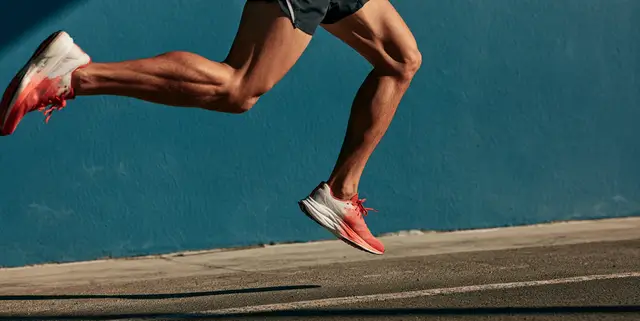
A runner might focus on stride mechanics and explosive starts. A basketball player might work through footwork, shooting rhythm, and defensive slides. A football player may sharpen reaction timing and body control. The details vary by sport, but the principle is universal: get the body primed to perform at full speed from the first moment. Elite athletes do not want to spend the opening phase of competition shaking off rust. They want to hit the ground running.
They Visualize Success
One of the most powerful habits in elite sport is visualization. Before competition, top athletes often see the event in their minds before it happens in real life. They imagine the movement, the timing, the pressure, and the response. They picture themselves executing with confidence and calm.
This is not wishful thinking. It is mental rehearsal. By seeing success before the action begins, athletes train the brain to recognize what winning feels like. That can make real competition feel more familiar and more manageable. When the moment arrives, it is not a surprise. It is something they have already walked through in their mind, step by step, with conviction.
They Keep Their Energy Under Control
Elite athletes are not always the loudest people in the room before competition, and that is no accident. They understand their own energy levels. Some need to get fired up. Others need to stay composed. The key is self-awareness. The best competitors know whether they perform better when they are amped up or when they are operating with a cool edge.
Too much emotion can lead to rushed decisions. Too little can create flatness. The elite find the sweet spot. They manage adrenaline instead of being ruled by it. That kind of control is why some athletes seem to enter the arena already in rhythm, already balanced, already ready to attack the moment without burning too hot too early.
They Trust the Preparation
When the pressure is at its peak, elite athletes lean on one thing above all: trust. Trust in the training. Trust in the coaches. Trust in the hours spent sweating when nobody was watching. That trust is powerful because it takes the weight off the present moment. They do not need to prove everything all over again. They have already put in the work.
This is where a lot of competitors struggle. They get to the big stage and suddenly try to do more, thinking they need an extra burst of effort or a new trick. The elite do the opposite. They simplify. They remember what got them there and stay loyal to the process. The confidence is not fake swagger. It is earned. And earned confidence is one of the most dangerous weapons in sports.
They Pay Attention to Recovery Right Up to Game Time
It might surprise casual fans, but pre-competition readiness is not only about intensity. Recovery plays a huge role too. Elite athletes understand that being fresh is a competitive advantage. In the hours before an event, they manage hydration, nutrition, sleep, and body care with precision. The body cannot perform like a machine if it has been treated like an afterthought.
That may mean a careful meal, a mobility session, breathing work, or even a short nap depending on the schedule. The point is to arrive not just energized, but balanced. A tired body often makes a nervous mind even worse, so the best athletes protect recovery like they protect tactics. It is all part of the same game plan.
They Use Breathing to Reset
Breathing is one of the simplest tools in elite sport, yet it can be one of the most powerful. Before competition, athletes often use controlled breathing to lower tension, steady the heart rate, and center their attention. In a moment where everything feels loud, breath becomes a stabilizer.
Slow, deliberate breathing can help an athlete shift from panic to poise. It is a way of telling the body that the moment is serious, but not dangerous. That distinction matters. A competitor who can settle the nervous system before the first play often arrives with a sharper edge than the one who is already spiraling.
They Lock Into the Moment, Not the Outcome
Elite athletes are competitive monsters, make no mistake, but before competition they often focus less on the final result and more on the first controllable actions. They think about effort, positioning, timing, and discipline. This keeps the mind from getting overwhelmed by the scoreboard before the contest has even begun.
When athletes obsess over winning too early, they can tighten up and lose freedom. The best know how to stay present. They attack the next play, the next lap, the next point. That present-moment mindset is one of the clearest differences between great performers and those who get swallowed by pressure. It is not passive. It is laser sharp.
The Small Details Build the Big Stage
What elite athletes do differently before every competition is not always flashy. It is disciplined. It is intentional. It is built on habits that might look ordinary from the outside but carry massive weight when the game starts. They protect focus, trust routine, prepare the body, calm the mind, and step into competition with a clear identity.
That is the real lesson for anyone who loves sport. The greatest performances do not appear out of nowhere. They are assembled through thousands of small choices, repeated with heart and hunger. The athlete who looks unstoppable on game day is often the same athlete who respected every detail in the hours before. And for fans who live for those unforgettable moments, that is what makes elite sport so beautiful: the glory may happen in seconds, but it is earned in the quiet before the roar.