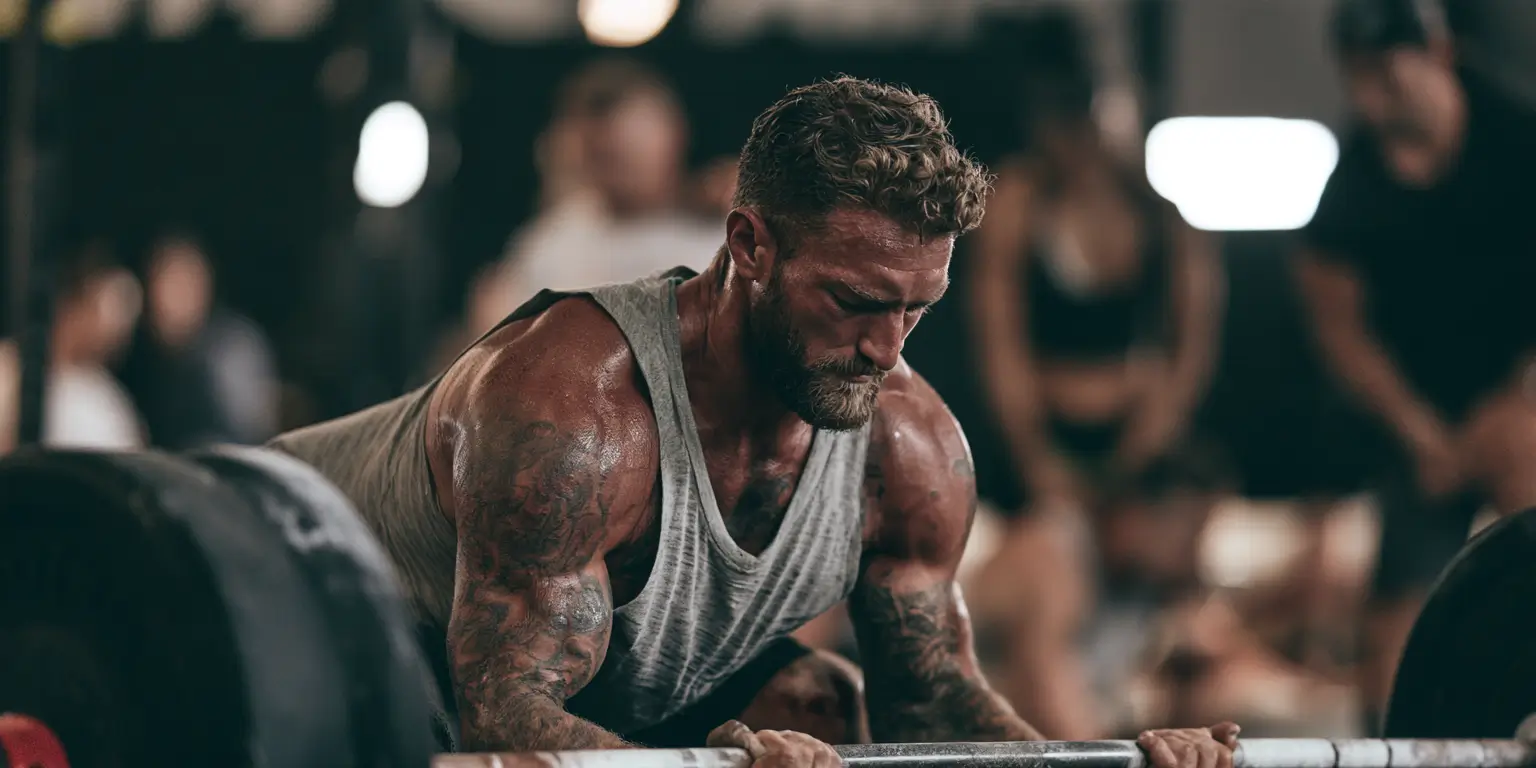
There’s nothing quite like the sound of iron clanging in a gym when the energy is right. For a lot of fans, strength training starts with one goal: build muscle. Bigger arms, stronger legs, a more powerful frame — that’s the headline. But if you’ve spent any real time in the weight room, you know the story runs much deeper than size alone. Strength training is a full-on game changer, and it impacts the body and mind in ways that go way beyond what shows up in the mirror.
Ask any seasoned lifter, athlete, or weekend warrior, and they’ll tell you the same thing: lifting weights is about building a body that can perform, not just one that looks the part. That’s the beautiful grind of it. The gains are real, but so are the benefits you can’t always flex on command.
It builds real-world power
Muscle size gets the spotlight, but strength is what carries you through everyday life. Carrying groceries, climbing stairs, lifting a child, moving furniture, shoveling snow — all of it gets easier when your body has been trained to produce force efficiently. That’s the hidden win that makes strength training so valuable.
When your muscles, joints, and nervous system learn to work together, you’re not just getting stronger in the gym. You’re becoming more capable everywhere else. That kind of functional power is what separates a body that merely looks athletic from one that actually is athletic.
It sharpens athletic performance
For sports lovers, this is where the magic really hits. Strength training can improve speed, explosiveness, balance, and agility. A stronger lower body helps a sprinter explode off the line. A stronger core helps a basketball player absorb contact in the lane. More upper-body strength can help a football player hold position or a swimmer drive through the water with more force.
Even in sports where endurance takes center stage, strength matters. Runners benefit from stronger hips and glutes. Cyclists gain more efficient force transfer. Soccer players can cut, sprint, and recover with more confidence. The weight room isn’t separate from the field, court, or track — it’s part of the same championship formula.
Strength creates a foundation. And once that foundation is solid, everything built on top of it gets better.
It protects the body from wear and tear
One of the most underrated benefits of strength training is injury resilience. Strong muscles help support joints. Balanced training can correct weaknesses and reduce the risk of strains, sprains, and overuse injuries. That doesn’t mean injuries never happen — sports are sports, after all — but it does mean the body is better prepared to handle stress.
Better bone density is another major win. Strength training puts healthy stress on bones, encouraging them to stay dense and strong. That matters not just for athletes, but for anyone who wants to stay active and independent over the long haul. The weight room can be one of the best investments you make in your future mobility.
And let’s not forget posture. Stronger back, shoulder, and core muscles can help counter the effects of hours spent sitting, driving, or staring at a screen. In a world where so many people are hunched forward all day, strength training helps you stand tall and move better.
It supports metabolism and body composition
One of the most common myths in fitness is that cardio is the only way to manage body weight. Not even close. Strength training plays a huge role in body composition because muscle tissue is metabolically active. The more lean mass you carry, the more energy your body uses at rest.
That doesn’t mean lifting is some kind of magic shortcut, but it does mean your body becomes more efficient in the right way. Pair consistent strength work with smart nutrition, and you’ve got a powerful formula for better body composition, steady energy, and long-term health.
For a lot of people, that’s where the confidence boost really starts to show. Clothes fit differently. Movement feels better. Energy levels rise. And the best part? The progress is earned through discipline, repetition, and a little bit of sweat-soaked pride.
It boosts mental toughness
Here’s where strength training gets truly special. The barbell doesn’t care how your day went. The kettlebell doesn’t care if you’re tired. The work still has to be done. That honesty is part of what makes lifting so powerful for the mind.
Strength training teaches patience, focus, and resilience. You learn how to show up when motivation is missing. You learn how to fail a lift, reset, and try again. You learn that progress is rarely glamorous, but it is possible. That mindset spills over into life in the best way.
There’s also the emotional release. A hard training session can be therapy with chalk dust. It gives frustration somewhere to go. It creates structure in a chaotic week. It reminds you that effort still matters, and that you are capable of more than you thought on a tough day.
It can improve confidence and self-image
There’s a special kind of confidence that comes from getting stronger. It’s not empty hype. It’s built on proof. You lifted more than you did last month. You moved with better control. You hit a rep you weren’t sure you had. That kind of progress changes the way people carry themselves.
Confidence from strength training isn’t just about appearance, although looking better certainly doesn’t hurt. It’s about trust. Trusting your body. Trusting your discipline. Trusting that you can do hard things and come out better on the other side.
That’s a win no mirror can fully measure.
It creates community
One of the most underrated parts of strength training is the culture around it. The gym can be a grind, but it can also be a brotherhood, a sisterhood, and a tribe. Spotting someone on a heavy bench, cheering through a final rep, swapping tips on form, celebrating a new personal record — that’s sports fandom in its purest form. Everyone is chasing something bigger than themselves.
Whether you’re training with a team, a coach, or a few dedicated friends, strength work often creates connections that last. People bond over the struggle, the breakthroughs, and the shared language of effort. That sense of belonging can be just as powerful as the physical gains.
How to get the most out of it
If you want strength training to pay off in more than just muscle, the approach matters. Focus on the big movement patterns: squat, hinge, push, pull, and carry. Train with good form. Build gradually. Recover properly. And don’t chase numbers at the expense of health.
Some simple habits can make a big difference:
- Prioritize technique before loading up the bar.
- Train consistently instead of relying on random bursts of effort.
- Balance hard sessions with sleep, mobility, and recovery.
- Track progress so you can see the wins adding up.
- Stay patient because real strength is built over time.
At the end of the day, strength training is about much more than muscle size. It’s about performance, protection, confidence, resilience, and the kind of inner edge that carries into every corner of life. The iron teaches lessons that last. It toughens the body, sharpens the mind, and reminds you that growth is earned one rep at a time.
And for anyone who loves the fight, the grind, and the thrill of improvement, that’s what makes lifting so addictive. It’s not just a workout. It’s a way to become harder to knock down and harder to stop.