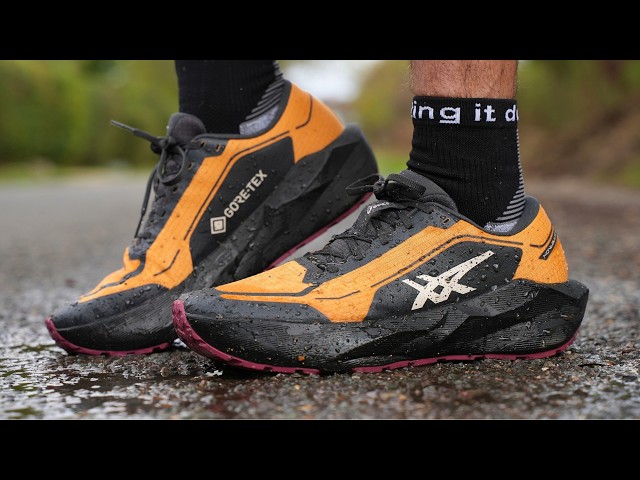
As fitness enthusiasts continue to seek effective ways to boost their endurance and overall health, Zone 2 training has become a hot topic in the world of cardio workouts. Known for its slow and steady approach, this method emphasizes maintaining a specific heart rate zone that is optimal for aerobic conditioning and fat burning.
Understanding Zone 2 Training
Zone 2 training is centered around maintaining a heart rate that is 60-70% of your maximum heart rate. This level, often referred to as the aerobic zone, is where your body primarily uses fat as fuel, promoting weight loss and improving metabolic flexibility.
To calculate your Zone 2 range, subtract your age from 220 to find your maximum heart rate, and then multiply the result by both 0.6 and 0.7. For example, a 30-year-old’s Zone 2 range would be between 114 and 133 beats per minute.
Benefits of Slower Cardio
1. Enhanced Endurance: Training at a lower intensity allows for longer sessions, which help to improve your endurance over time without placing too much strain on your body.
2. Increased Fat Burning: Since the body prefers to use fat over carbohydrates at lower intensities, consistent Zone 2 training can enhance your ability to oxidize fat, aiding in weight management and energy efficiency.
3. Reduced Risk of Injury: Slower cardio puts less stress on joints and muscles compared to high-intensity workouts, reducing the likelihood of injury and promoting consistent training habits.
Incorporating Zone 2 Training into Your Routine
Implementing Zone 2 training into your workout routine can be simple and flexible. Here are a few tips to get started:
- Choose the Right Activity: Opt for activities such as brisk walking, cycling, swimming, or jogging that allow you to easily control your pace and heart rate.
- Monitor Your Heart Rate: Use a fitness tracker or heart rate monitor to ensure you stay within the correct range for Zone 2 benefits.
- Consistency is Key: Aim for at least three to four sessions per week, with each session lasting 30-60 minutes. Over time, consider gradually increasing the duration to continue the challenge.
Balancing with Other Training Methods
While Zone 2 training offers a myriad of benefits, it’s important to balance it with other forms of exercise to maintain a well-rounded fitness routine. Incorporating strength training, flexibility exercises, and high-intensity interval training (HIIT) can ensure you build a robust foundation of fitness.
For athletes and those with performance goals, including higher intensity sessions such as Zone 3 (70-80% of maximum heart rate) and Zone 4 (80-90% of maximum heart rate) can facilitate improvements in speed and power.
Real-Life Success Stories
Countless individuals have reaped the rewards of Zone 2 training. From seasoned marathon runners who have enhanced their endurance to everyday fitness enthusiasts experiencing newfound energy, the slower approach has proven transformative. One notable endorsement comes from elite athletes who use Zone 2 during their off-season to rejuvenate and rebuild their aerobic base without the toll of high-intensity sessions.
Finding Your Rhythm in Zone 2
Zone 2 training presents an inviting alternative to the often grueling world of high-intensity workouts, making it perfect for beginners and seasoned athletes alike. By focusing on heart rate and maintaining a dedicated, slow pace, individuals can unlock the powerful benefits of improved endurance, amplified fat burning, and long-term cardiovascular health.
If you’re seeking a sustainable, enjoyable way to advance your fitness and wellness journey, it’s time to give Zone 2 training a try. Embrace the slower path and discover the strength that lies in consistency and patience.