Walking is having a moment, and it is easy to see why. In a fitness culture that often celebrates high-intensity sessions, complicated training plans, and all-or-nothing discipline, more people are rediscovering the appeal of something far simpler: putting one foot in front of the other. Walking feels accessible, sustainable, and surprisingly effective. For many, it has become less of a fallback and more of a preferred way to stay active, manage stress, and build a routine that actually lasts.
Part of walking’s growing popularity comes from the way it fits into real life. Not everyone has the time, energy, or appetite for intense workouts every day. Long work hours, family responsibilities, recovery needs, and general life stress can make high-intensity exercise feel like another demand rather than a supportive habit. Walking, on the other hand, can be folded into the day with far less friction. A morning stroll, a lunch break loop, an evening walk after dinner, or a few extra trips on foot can all add up without requiring special equipment or a major mental reset.
It is easier to start and easier to keep going
One of the biggest reasons walking is winning over more people is its low barrier to entry. You do not need to learn complex movements, buy expensive gear, or psych yourself up for an exhausting session. You can simply start. That matters because the hardest part of exercise for many people is not the activity itself; it is building enough consistency to make it a habit.
High-intensity workouts can be excellent, but they often come with a hidden cost: they demand motivation, recovery, and planning. If you miss a few sessions, it can feel like you have fallen behind. Walking is more forgiving. If you skip a day, you can pick it back up without guilt or pressure. That sense of ease helps reduce the stop-start pattern that causes so many exercise routines to fade over time.
Because walking is manageable, it often becomes more repeatable. And repeatable habits tend to produce better long-term results than dramatic bursts of effort followed by burnout. For people who want movement that feels natural rather than punishing, walking offers an attractive middle ground.
Walking supports both body and mind
People often choose walking not only because it is easier, but because it feels better. Intense workouts can be energizing, but they can also leave some people feeling drained, sore, or discouraged, especially if they are returning to exercise after a long break. Walking is gentler on the joints and nervous system, which makes it appealing for beginners, older adults, and anyone managing fatigue or stress.
There is also a strong mental health benefit. Walking creates space to think, decompress, and reset. A walk outdoors can lower stress, improve mood, and provide a break from screens and constant stimulation. Unlike workouts that require concentration on form, intervals, or performance, walking allows the mind to wander in a productive way. Many people find that their best ideas, clearest decisions, or calmest moments happen while walking.
The rhythm of walking can be soothing in itself. It is steady and repetitive without being monotonous, and that combination can make it feel meditative. For people dealing with anxiety or burnout, that simplicity is valuable. Instead of needing to push harder, they can move in a way that feels restorative.
It fits different fitness levels without pressure
Another reason more people are choosing walking over intense workouts is that it adapts easily to different bodies and goals. Fitness is not one-size-fits-all, and walking respects that. Someone recovering from an injury, someone who is new to exercise, and someone training for a more active lifestyle can all benefit from walking, even though their reasons may be completely different.
Walking can also be scaled up or down without changing its basic structure. A short easy walk still counts. A longer brisk walk offers a bigger challenge. Adding hills, speed intervals, carrying light weights, or choosing a longer route can make it more demanding if desired. This flexibility makes walking especially appealing because it can grow with a person’s confidence and capacity.
That adaptability helps people stay engaged. Instead of feeling intimidated by a workout that seems too advanced, they can choose a pace that feels sustainable. That sense of control matters. When exercise feels like an obligation to perform, many people resist it. When it feels like a choice they can customize, they are far more likely to continue.
Walking is less likely to trigger burnout
Burnout has become a real issue in fitness. Many people begin with ambitious goals and high expectations, only to find that intense exercise becomes physically and mentally exhausting. There is often a culture of pushing through pain, chasing personal records, and treating every workout like a test. While that mindset can work for some athletes, it is not sustainable for everyone.
Walking offers a different rhythm. It encourages consistency over intensity. Because it is less demanding, it can be done more frequently and with less recovery time. That regularity can be especially helpful for people who have struggled with the boom-and-bust pattern of intense training followed by long breaks.
It also reduces the emotional pressure attached to exercise. A walk does not need to be perfect to be worthwhile. There is no need to outperform yesterday’s effort or compare yourself with someone else’s pace. That lowers the stakes and makes movement feel less like a performance. Over time, that can be a much healthier relationship with fitness.
It is practical in a busy world
Convenience is a major factor in any routine, and walking is one of the most practical forms of exercise available. You can do it almost anywhere, and you can usually do it without disrupting the rest of your day. There is no commute to the gym, no class schedule to follow, and no need to rearrange your life around a workout window.
For many people, walking solves the common problem of “not enough time.” Even if a person cannot carve out a full hour for exercise, they can often find 10 or 15 minutes throughout the day. Those small windows matter. A short walk before work, after a meeting, during a call, or after dinner can contribute meaningfully to daily activity levels.
Walking also blends well with other activities. People walk while catching up with friends, listening to podcasts, taking calls, or exploring their neighborhood. Instead of requiring focused effort in isolation, it can become part of ordinary life. That makes it feel less like a chore and more like a natural extension of the day.
The social side of walking matters
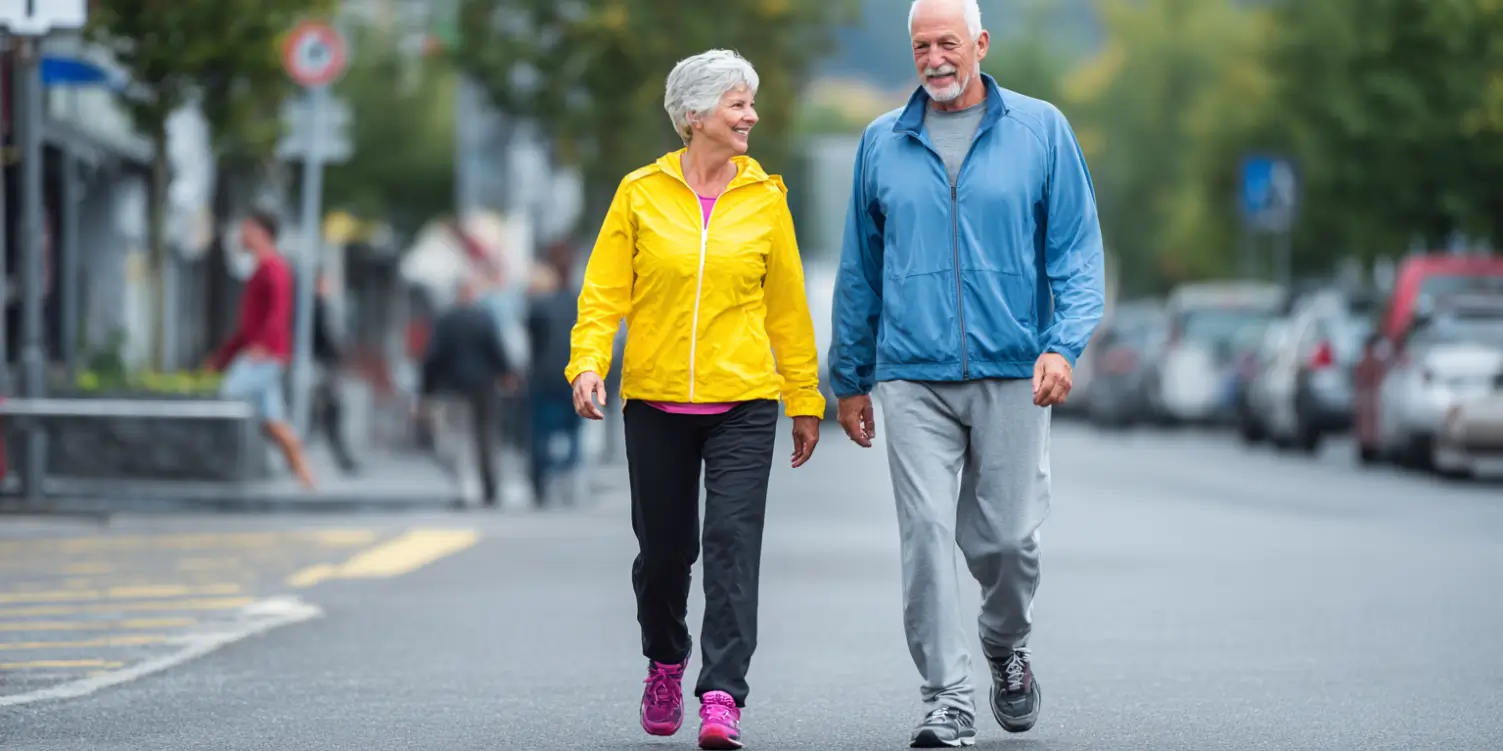
Walking is often more social than other forms of exercise. It is easier to chat while walking than during a hard run or a circuit workout. That makes it a popular option for friends, couples, families, and coworkers who want to connect while moving. For many people, the social benefit is just as important as the physical one.
Walking with someone else can also increase accountability without making exercise feel strict. A standing walking date is less intimidating than a formal training plan, yet it still creates momentum. People are more likely to show up when the activity is enjoyable and built around connection.
Even solo walking can feel socially connected in a different way. Urban routes, park paths, and neighborhood streets all provide a sense of being part of a larger world. That can be refreshing for people who spend much of the day indoors, alone, or in front of a screen.
Walking can be surprisingly effective
Some people choose walking because it feels gentler, but they stay with it because it works. Regular walking can support heart health, improve circulation, help manage weight, and build a stronger aerobic base over time. Brisk walking, in particular, can raise the heart rate enough to provide real cardiovascular benefits without the impact of more strenuous exercise.
It can also support consistency in movement, which is often the most important factor in fitness. A moderate activity done regularly may be more beneficial than a demanding workout routine that cannot be maintained. Walking also pairs well with other forms of exercise. Someone might walk most days and add strength training, yoga, cycling, or occasional higher-intensity sessions when they want variety.
That balance is appealing because it takes pressure off the idea that only hard workouts count. In reality, the best exercise is often the one a person can do consistently, enjoyably, and without excessive strain. Walking earns its place in that category because it is effective in a way that feels approachable.
It encourages a healthier relationship with exercise
For many people, choosing walking over intense workouts is not about giving up on fitness. It is about redefining what fitness means. Rather than treating exercise as punishment or a way to earn food, they are choosing movement that feels supportive, doable, and kind to the body.
This shift can be powerful. Walking helps people reconnect with the idea that activity should improve life, not complicate it. It can reduce the guilt that sometimes surrounds missed workouts or slower progress. It can also help people notice that small efforts matter. A daily walk may not look dramatic, but over time it can lead to better energy, improved mood, and greater confidence.
That change in mindset is often what keeps people moving for the long run. When exercise becomes associated with stress, comparison, or exhaustion, it is easy to avoid. When it becomes associated with fresh air, mental clarity, and a manageable routine, it becomes something people want to return to again and again.
Why the shift is likely to continue
As more people look for sustainable ways to stay active, walking is likely to remain popular. Modern life has made convenience, flexibility, and mental well-being especially important, and walking delivers on all three. It is simple enough to begin immediately, adaptable enough to suit many lifestyles, and effective enough to make a real difference.
There will always be a place for intense workouts, especially for those who enjoy them and recover well from them. But the growing preference for walking shows that fitness is becoming more personal and more realistic. People are looking for movement that matches their actual lives, not an idealized version of them.
That is the real appeal of walking. It does not ask for perfection. It asks for presence, a little time, and the willingness to keep going. In a world that often feels too busy and too demanding, that may be exactly why so many people are choosing it.