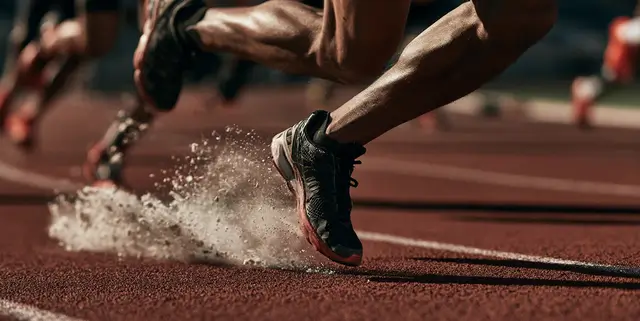
Build stamina the way athletes do: gradually, consistently, and with a plan
Stamina is not just about being able to run longer or push through one more rep. In real athletics, stamina is what lets you stay sharp in the final minutes when legs are heavy, lungs are burning, and the game is still on the line. I learned early that the athletes who last are not always the ones who train the hardest in one session; they are the ones who stack smart days, recover well, and respect the basics.
If you want to improve your stamina, think like a teammate-dependent player: every habit supports the next one. Training, sleep, food, breathing, and mindset all work together. Here are 10 simple athletics tips that actually hold up in the locker room and in competition.
1. Start with aerobic base work
If your engine is small, everything feels harder. Aerobic training is the foundation for stamina because it helps your body use oxygen more efficiently and recover between bursts. That does not mean you need to live on a treadmill. Brisk walking, easy jogging, cycling, rowing, or swimming all work.
What to do: Aim for 20 to 40 minutes at a pace where you can still talk in short sentences. This should feel controlled, not heroic. Athletes often make the mistake of turning every session into a race. Save the hard push for the right days.
2. Use interval training to raise your ceiling
Once your base is in place, intervals help you handle faster efforts and recover quicker. In sport, stamina is often really about repeatability: can you sprint, recover, and sprint again without falling apart?
Try this:
- 30 seconds hard, 90 seconds easy, repeated 8 to 10 times
- 1 minute hard, 2 minutes easy, repeated 6 to 8 times
- Hill repeats for running athletes: short, powerful climbs with full walk-back recovery
Do not overcook these sessions. Good interval work leaves you tired but not wrecked. If your form breaks down completely, you went too hard too early.
3. Train like your sport demands
Stamina is specific. The conditioning that helps a midfielder, boxer, basketball player, or distance runner is not identical. The best athletes I played with trained for the exact rhythm of their sport. They did not just get fit; they got fit for their role.
Ask yourself:
- Do I need long, steady endurance?
- Do I need repeated short bursts?
- Do I need to recover fast between explosive efforts?
Once you answer that, shape your workouts around those demands. That is how you turn general fitness into game-ready stamina.
4. Strength train to reduce fatigue
People think stamina is only about cardio, but weak muscles waste energy. Strong legs, hips, back, and core make every movement more efficient. You move better, maintain posture longer, and delay fatigue.
Focus on compound lifts and athletic patterns:
- Squats
- Deadlifts or hip hinges
- Lunges
- Push-ups or presses
- Rows and pull movements
- Core bracing work
Strength training does not have to be fancy. Two to three smart sessions a week can improve stamina by making each stride, jump, or cut cost less energy.
5. Learn to breathe with purpose
One of the fastest ways to feel gassed is to breathe poorly. Under pressure, athletes often hold tension in the chest and shoulders, which makes everything feel harder. Controlled breathing helps keep your rhythm and prevents panic when the pace rises.
Practice this: In easy workouts, breathe deeply into the belly and use a steady rhythm. During harder efforts, focus on exhaling fully. If you are anxious before training or competition, slow nasal breathing for a minute or two can help you settle in.
Breathing is not magic, but it is a tool. And in sport, small tools matter.
6. Recover like recovery matters
On a team, the athlete who ignores recovery usually pays for it later. Stamina improves when your body has time to adapt to the work you have done. Without recovery, you are just collecting fatigue.
Recovery habits that work:
- Get 7 to 9 hours of sleep
- Take easy days seriously
- Use light movement on recovery days
- Stretch or mobilize areas that get tight
- Hydrate consistently, not just after you are already thirsty
Recovery is where the gains stick. Miss it, and your stamina stalls no matter how hard you train.
7. Eat for energy, not just fullness
Food is fuel. That sounds simple, but a lot of athletes under-eat, eat too late, or build meals that leave them flat in training. If you want better stamina, your body needs enough carbohydrates for training energy, enough protein for repair, and enough overall calories to support the workload.
Simple rules:
- Have a balanced meal before training
- Include carbs around harder sessions
- Eat protein after workouts to support recovery
- Do not rely on junk food to carry a heavy training load
I have seen plenty of athletes wonder why their legs die early, only to realize they barely ate during the day. You cannot out-train empty fuel tanks.
8. Build stamina with consistency, not occasional heroics
The most common mistake is going all out for three days, then disappearing for a week. Stamina responds best to regular work. The body loves rhythm. That is true in preseason, in-season, and even during busy life stretches.
Better approach: Train at a sustainable pace you can repeat week after week. Even moderate sessions, done consistently, beat random bursts of extreme effort. Keep a simple schedule and protect it the way teams protect game day.
When you stay consistent, your body learns to handle effort without constantly starting over.
9. Add mobility so your movement stays efficient
Tight hips, stiff ankles, and a locked-up upper back can drain stamina faster than you think. Poor mobility makes every movement less efficient, which means you spend more energy doing the same job. Athletes who move freely usually last longer because they waste less effort.
Give attention to:
- Ankle mobility
- Hip flexor and glute mobility
- Thoracic spine rotation
- Shoulder and chest opening
Even 10 minutes before training can make a difference. The goal is not to become a gymnast; it is to move cleanly and with less resistance.
10. Train your mind to stay composed when tired
Stamina is physical, but the mind has a say in how far you go. When fatigue hits, your brain starts negotiating. It tells you to slow down, skip the last rep, or mentally check out. The athletes who improve most are usually the ones who can stay calm and keep their form under pressure.
Useful mental habits:
- Break hard efforts into smaller targets
- Use cues like “steady,” “relax,” or “next play”
- Focus on form instead of the pain
- Remember that discomfort is not the same as danger
In the locker room, we used to say the game gets honest when everyone is tired. That is where composure matters. If you can keep your head when your body is shouting, your stamina looks a lot better than it did before.
Put the pieces together
Improving stamina is not about one secret workout. It is about combining aerobic work, intervals, strength, recovery, food, mobility, and mindset into one steady system. That is how athletes build engines that hold up under pressure.
If you want a simple starting point, do this: move most days, include one or two hard conditioning sessions a week, lift consistently, sleep enough, and eat to support your training. Keep it simple, keep it repeatable, and do not chase shortcuts.
Stamina grows when preparation becomes a habit. That is true on the track, in the gym, and in every sport where the final minutes matter.