Every true sports fan knows the heartbreak of watching hard work get swallowed by tiny details. You train, you grind, you show up ready to leave it all on the field, court, trail, or track—and then one small equipment mistake turns a great effort into a frustrating night. It does not matter if you are chasing a personal best, fighting for your weekend league, or just trying to keep up with the pack: the wrong gear can steal speed, comfort, confidence, and results.
The wild part is that a lot of these mistakes are easy to miss. They are the kind of things athletes shrug off because they seem minor, but anyone who has spent time in the game knows better. The right equipment does not just support performance; it can change the entire feel of your movement. Let us break down the seven gear mistakes that might be holding you back and costing you the edge you have earned.
1. Wearing the Wrong Shoe for the Sport
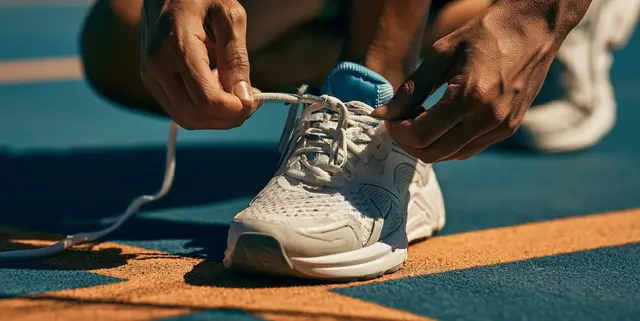
This is the classic mistake, and it hits harder than people admit. Running shoes are not basketball shoes. Cleats are not trainers. Court shoes are not hiking shoes. Every sport asks your body to move differently, and footwear is the first line of support. If your shoes do not match the demands of your activity, you are asking for wasted energy, poor traction, and a higher risk of injury.
The wrong shoe can mess with your balance, reduce power transfer, and leave your feet working overtime. That means slower cuts, less explosive movement, and more fatigue by the end of the session. If you have ever felt like your legs were fighting your shoes, that is your body sending you a message.
What to look for:
- Sport-specific design and traction
- Proper arch support and cushioning for your foot type
- Enough stability for your movement style
- A fit that feels secure without pinching
2. Using Equipment That Does Not Fit Properly
Fit matters. A lot. We are talking about helmets, gloves, pads, bats, rackets, sticks, compression gear, and even wrist supports. If the gear is too loose, too tight, too long, too short, or just awkward on your frame, performance takes a hit. Bad fit creates distractions, and distractions are where good plays go to die.
Think about a helmet that shifts during contact, gloves that reduce grip, or a racket that feels off in your hand. You stop focusing on the game and start thinking about the gear. That split-second mental break can be the difference between winning a point and watching it slip away.
Game-day check: gear should feel like a natural extension of your body, not something you have to battle every time you move.
3. Ignoring Wear and Tear
Equipment does not last forever, and trying to squeeze out one more season from beat-up gear is a dangerous habit. Shoes lose cushioning, grips wear down, strings go dead, protective padding breaks down, and seams start to fail. The scary part is that worn-out gear can look fine at a glance while performing terribly underneath the surface.
That old pair of shoes may still look ready, but if the outsole is slick and the midsole is flattened, your body is absorbing more stress with every step. If your racket strings are loose or your baseball glove has lost structure, you are giving away control. Fans love a comeback story, but your equipment should not need a comeback to function properly.
Signs it is time to replace gear:
- Visible cracks, tears, or thinning material
- Loss of grip or traction
- Reduced support or cushioning
- Performance that suddenly feels “off”
4. Choosing Style Over Function
We all appreciate clean gear. A sharp kit can make you feel invincible before the first whistle blows. But if you are choosing equipment because it looks elite rather than because it performs elite, you are playing yourself. Flashy gear with poor function is all show and no finish.
That neon-colored pair of cleats might turn heads, but if they blister your feet or give you poor traction on wet ground, they are a liability. The same goes for protective gear that sacrifices mobility, or training accessories that look premium but do not actually help you move better. True athletes know the real flex is performance.
Rule of thumb: if it looks great but hurts your output, it is not helping your game.
5. Overloading on Accessories You Do Not Need
There is a temptation in sports culture to believe more gear equals more advantage. Sometimes it does. Often, it just means more clutter. Extra straps, add-ons, gadgets, and unnecessary upgrades can complicate your setup and distract from what actually matters: movement, skill, and consistency.
Too much equipment can also change mechanics in ways you do not expect. If you are stacking one accessory on top of another without understanding how they interact, you may be limiting mobility or creating new pressure points. Great athletes keep their setup efficient. They trust what works and leave the gimmicks on the shelf.
Ask yourself: does this piece of gear solve a real problem, or does it just make the bag heavier?
6. Not Maintaining or Cleaning Your Gear
This one does not get enough love, but it matters. Dirty, neglected equipment performs worse. Sweat-soaked gloves lose grip, damp shoes break down faster, clogged vents reduce breathability, and unwashed protective gear can become uncomfortable fast. Maintenance is not glamorous, but it is part of the grind.
When gear is cleaned and stored properly, it lasts longer and performs more consistently. A well-kept set of equipment feels more reliable, and reliability builds confidence. Confidence is huge in sports. When you trust your gear, you can trust your instincts.
Simple maintenance habits:
- Air out shoes and apparel after use
- Wipe down surfaces after training or games
- Store gear in dry, ventilated spaces
- Follow manufacturer care instructions
7. Buying Without Considering Your Actual Needs
This is where a lot of athletes get caught. They buy gear based on hype, brand loyalty, or what their favorite player uses, instead of what fits their own body and sport demands. The pros may make it look effortless, but your game is not their game. Your position, skill level, body type, and training style all matter.
A beginner does not need the same setup as a veteran. A casual weekend player does not need the same performance profile as a competitive athlete. If you are buying equipment that does not match your real needs, you are spending money for the sake of feeling serious rather than getting serious results.
Before you buy, consider:
- Your sport and position
- Your experience level
- Your body mechanics and comfort needs
- How often you train or compete
How the Right Gear Changes the Whole Game
When your equipment is dialed in, everything feels cleaner. Your movement gets sharper. Your confidence rises. You waste less energy fighting your gear and more energy attacking the moment. That is the beauty of getting the details right: the gains may not always feel dramatic at first, but they stack up fast.
Sports are built on margins. One better step, one cleaner swing, one more controlled landing, one more confident rep. The right equipment helps you cash in on those margins. It is not about chasing perfection. It is about removing the barriers that keep you from performing at your best.
So before your next practice or game, take a hard look at your setup. Check the fit. Check the wear. Check the function. Be honest about what helps and what hurts. The gear you use should back your effort, not betray it. When you fix the mistakes that are quietly draining your performance, you give yourself the best shot to play with freedom, fire, and the kind of confidence every fan loves to see.