When the price tag hits the locker room
I’ve been around enough teams to know this: the first thing players notice about new gear isn’t always the color or the brand. It’s the feel. The way a pair of boots bites into the turf, the way a helmet sits after a hard hit, the way a stick, bat, or racket responds when the game speeds up. In sports, equipment is never just equipment. It is confidence, safety, and a little bit of identity rolled into one.
That is why the cheap versus expensive gear debate never really goes away. Every season, athletes and parents ask the same question: is paying more actually worth it? The honest answer is the same one we used to give in the locker room: sometimes yes, sometimes no, and it depends on what kind of player you are, what sport you play, and how much wear and tear you’re asking that gear to handle.
What you are really paying for
Higher-priced sports gear usually buys you a mix of better materials, better engineering, and better durability. That does not mean every expensive item is automatically better for every athlete. But in most cases, the extra money goes into details you can feel once the game gets physical.
- Materials: lighter composites, stronger stitching, more breathable fabrics, or better padding.
- Fit: more precise sizing, adjustable features, and designs that move with the body.
- Performance: reduced weight, improved grip, better energy transfer, or smoother motion.
- Durability: gear that keeps its shape, lasts through contact, and holds up through a long season.
- Safety: better impact protection, better support, and fewer weak points.
From experience, the biggest difference usually shows up late in the game. Cheap gear may look fine in warmups, but by the fourth quarter or the last set, the flaws start talking. A budget shoe can flatten out. A low-end glove can lose its shape. A bargain helmet or pad set might not sit right after repeated contact. That is where premium gear starts earning its keep.
Where expensive gear makes the most sense
Some categories are worth spending up on because they affect performance and safety every time you step out. Footwear is the first one that comes to mind. If your shoes are wrong, everything above them works harder. A good pair can improve traction, reduce fatigue, and help prevent injury. That matters whether you are cutting on a basketball court, sprinting on grass, or grinding through long training sessions.
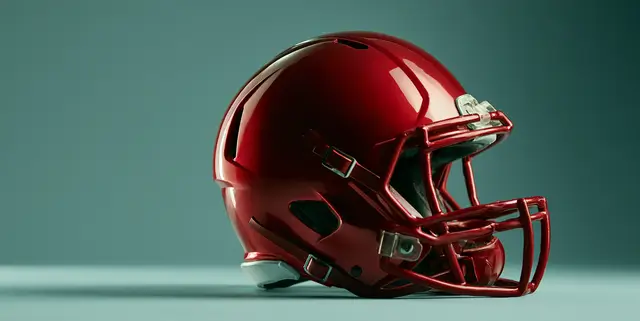
Protective gear is another area where I would never encourage saving a few dollars just to save a few dollars. Helmets, mouthguards, shin guards, pads, and braces are the things you hope you never really need. But when contact comes, cheap protection can turn into expensive problems. The smartest teams I’ve been on were the ones where veterans quietly told younger players not to cut corners on safety.
Then there are equipment pieces that affect touch and control. In sports like tennis, baseball, hockey, golf, or lacrosse, higher-end gear can improve feel in a way that’s hard to describe until you try it. The ball comes off cleaner. The grip feels more secure. The response is more predictable. For competitive athletes, those small edges add up.
Where cheap gear is often good enough
Not every item needs to be top-shelf. In fact, plenty of athletes overspend on things that will not change the outcome of a workout or a game. Training clothes, spare socks, water bottles, cones, resistance bands, and some practice accessories do not always need premium pricing. If the item is not taking heavy impact and does not affect safety, a solid budget version may be perfectly fine.
This is especially true for beginners. If someone is just getting into a sport, the goal should be to learn the movements, build habits, and figure out what matters before dropping serious money. No rookie needs the same setup as a college starter or a seasoned weekend competitor. I’ve seen players buy elite gear before they had elite fundamentals. That is backwards. The best investment early on is often coaching, reps, and consistency.
The hidden cost of cheap gear
Cheap gear can look like a bargain until you start replacing it. A budget item that wears out twice as fast is not really cheaper. That is the part people forget. The real cost is not just the purchase price; it is the replacement cycle, the frustration, and sometimes the performance drop that comes with it.
Locker-room truth: players remember the gear that fails at the worst possible time. The glove seam that splits before a big match. The cleat sole that peels off during drills. The shin guard that shifts when contact gets heavy. Those moments do more than interrupt play. They shake trust. Once an athlete stops believing in the gear, the gear has already lost its value.
There is also the matter of injury risk. Not every cheap item is dangerous, but low-quality construction can mean poor support, weak fastening systems, or padding that compresses too quickly. If a piece of gear affects alignment, balance, or impact protection, then saving money can become a false economy.
The hidden cost of expensive gear
On the flip side, expensive gear is not automatically smart spending. Brands know athletes love the idea of a marginal edge, and marketing can turn that into a very expensive habit. Some products are priced high because of genuine innovation. Others are priced high because they look premium, have a famous logo, or are attached to a pro endorsement.
A veteran athlete learns quickly that confidence is not the same as necessity. Sometimes the top-tier version really is better. Other times, the mid-range model gives you ninety percent of the benefit for sixty percent of the price. That is usually the sweet spot for recreational players and even many serious competitors.
The trick is to separate function from flash. Ask what problem the gear solves. Does it improve comfort over a long session? Does it protect you? Does it last? Does it help you perform under pressure? If the answer is no, the extra money may just be paying for ego.
How teams think about gear
In a real team environment, gear choices are rarely made in a vacuum. Teammates talk, compare, borrow, and test each other’s setup. That culture matters. The best advice often comes from the player who has already worn through three pairs, not from the ad copy. Experienced athletes know which brands run narrow, which padding breaks down fast, and which products are worth every dollar.
Coaches and trainers usually take a practical view. They want reliable gear, not fancy gear. They care about consistency, safety, and whether the equipment supports the training plan. That same mindset works for everyday athletes. If a piece of gear helps you train more often, recover better, and stay healthy, it has value. If it just looks impressive in the bag, that value is limited.
A simple way to decide
Before buying, ask yourself a few honest questions:
- Will this gear affect my safety?
- Will I use it often enough to justify the cost?
- Does it improve fit, comfort, or performance in a way I can actually feel?
- Is there a cheaper version that performs nearly as well?
- Am I buying this for need, or for status?
If the item is protective, high-use, or directly tied to performance, spending more can be a smart move. If it is a low-risk accessory or something you are still learning to use, a cheaper option may be the better play.
In the end, the best gear is not always the most expensive gear. It is the gear that fits your body, your sport, and your level of commitment. The smartest athletes do not chase price tags; they chase reliability. That lesson never changes, whether you are a kid on a community field or a veteran grinding through another season.