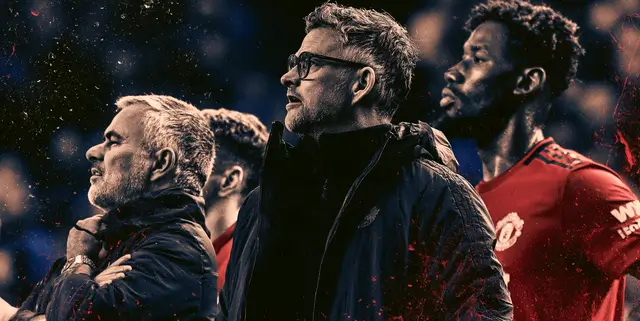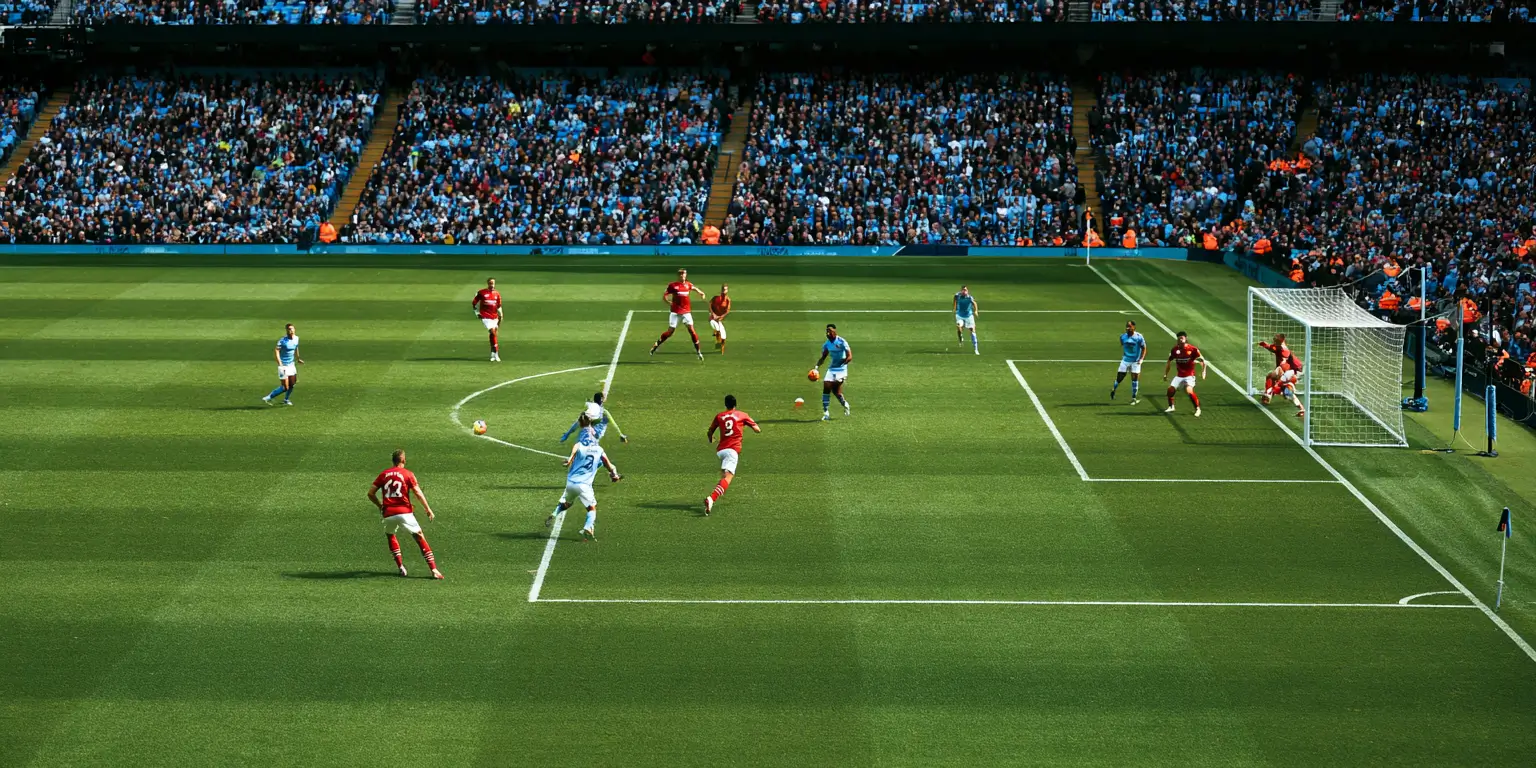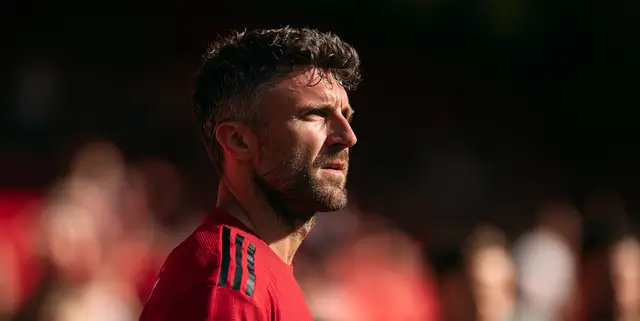
It is amazing how quickly the mood can change around Manchester United. One week there is hope, the next there is a familiar sense of nerves hanging over Old Trafford. That is why any mention of pressure around Michael Carrick would instantly catch the attention of fans. Even before a manager has had time to settle, the spotlight at United can feel unforgiving.
Carrick has long been one of those figures supporters respected for his calm presence. As a player, he was the sort of midfielder who made the game look easier than it really was. Quiet, composed, reliable. The kind of footballer who rarely looked flustered. But football management is a different stage altogether, and the demands are far less forgiving when results do not follow quickly.
Why the pressure talk starts so fast at United
At a club like Manchester United, expectations are not just high — they are relentless. Fans do not simply want signs of progress; they want evidence that the club is moving in the right direction every single week. A few poor performances, a lack of goals, or a stale-looking style of play can be enough to fuel the conversation around the manager.
That is part of why the pressure question comes up so quickly. United supporters have seen this story before. A promising appointment, some early optimism, then a run of matches where the team looks short on confidence and ideas. It is not always about the league table alone. It is about the feeling on the pitch, the energy in the stands, and whether the team looks like it believes in what it is doing.
The warning signs fans notice first
Supporters tend to spot the warning signs before anyone at the top of the club says a word. Some of the biggest ones are easy to recognise:
- Flat performances: when the team seems slow, hesitant, or lacking spark.
- Predictable attacks: if the side struggles to create chances and looks easy to read.
- Visible frustration: when players start showing their annoyance rather than their confidence.
- Uneasy body language: the kind that suggests belief is draining away.
- No clear identity: perhaps the biggest worry of all, when fans cannot tell what the team is trying to be.
None of those things automatically mean disaster, of course. Football teams can turn a corner quickly. But at Manchester United, these signs are rarely ignored for long. They tend to become part of the wider conversation almost immediately, especially among supporters who have lived through years of instability.
Why Carrick would face a tough hand
Even if Carrick were to step into the role, he would not be walking into an easy situation. Taking charge at United means dealing with huge scrutiny, a demanding fanbase, and a squad that may be carrying the weight of expectations. That is before the media noise even begins.
There is also the emotional side of the job. A former player stepping into the dugout can initially get a warm response from fans. Supporters often want it to work because they know the person, trust the character, and hope the club can reconnect with some of its old values. But that goodwill does not last forever if the results are inconsistent.
And that is where the pressure can build fastest. If the team looks organised but blunt, or energetic but fragile, fans start asking the same questions again. Is there a clear plan? Are the players improving? Is the manager getting the best from the squad? At United, those questions never stay quiet for long.
What fans really want to see
Most supporters are not expecting miracles overnight. What they want is a sense that the team is heading somewhere meaningful. They want urgency without panic, structure without stiffness, and performances that feel connected to the club’s scale. More than anything, they want to see players fighting for the shirt and a manager who looks in control of the moment.
That means small improvements matter. Better shape off the ball. More energy in midfield. A bit more bravery in possession. Even a narrow win can feel significant if it comes with a clear identity. Fans are usually willing to be patient when they can see something taking shape.
But if the same issues keep appearing, patience gets thin very quickly. At United, that is the reality every manager faces, whether they are a club legend, a caretaker, or a long-term appointment.
The emotional weight of the job
One of the hardest parts of managing Manchester United is that the club’s history follows every result around like a shadow. The old success stories are never far away. The best sides of the past become the standard in supporters’ minds, even when the current squad is still trying to find its feet.
That creates a strange kind of pressure. A manager is not just judged on wins and losses, but on whether the football feels worthy of the badge. Fans want to believe in the journey, but they are also incredibly aware when the atmosphere feels off. If Michael Carrick were in the hot seat, that emotional weight would be impossible to avoid.
Still, football is full of quick turnarounds. A good run can change the mood in a matter of weeks. A big performance in a difficult match can quiet the noise. Confidence can return faster than people expect. That is why the pressure question is always so fluid at a club like United. It can rise in a flash, but it can also ease just as quickly.
For now, the warning signs fans would be watching are not complicated: effort, clarity, consistency, and belief. If those are there, the conversation changes. If they are missing, the pressure talk starts to grow louder. That is the reality of life at Manchester United, where hope and anxiety often seem to share the same seat in the stands.