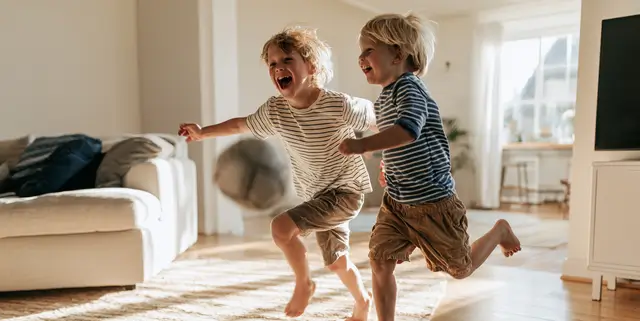
There is something magical about watching kids move with purpose, laughter, and just a little bit of chaos. That is the heartbeat of childhood sports, and it starts long before the first team jersey or school tryout. Balance and coordination are the building blocks of confident movement, and the best part is that they can be developed right at home with a few simple games, a bit of space, and a whole lot of energy.
For parents, caregivers, and anyone raising a mini athlete, these exercises are a win. They help kids learn body control, sharpen focus, and build the kind of movement skills that carry over into running, jumping, biking, dancing, and every sport they will fall in love with later. And yes, they also burn off some of that endless kid energy in a way that feels like play instead of practice. That is a victory worth cheering for.
Why balance and coordination matter so much
Balance is the ability to stay steady while standing still or moving. Coordination is the skill of making different body parts work together smoothly. Put them together and you get better control, better timing, and better confidence. That is huge for kids.
When children improve these skills, they often move more easily in everyday life. They may trip less, climb with more confidence, catch balls better, and feel more comfortable in sports and playground games. Even simple things like getting dressed, stepping over toys, or walking on uneven ground become easier when their bodies know how to work as a team.
And from a sports fan perspective, this is where the foundation is built. Every great athlete starts somewhere, and most of the time that somewhere is a kid who learned how to hop, balance, twist, land, and recover without giving up. That early movement confidence matters more than most people realize.
1. Flamingo stands
This one is classic for a reason. Ask your child to stand on one foot like a flamingo and hold it for as long as they can. Switch sides and repeat. To make it more fun, tell them to flap their arms, stare at a spot on the wall, or pretend they are guarding a goal.
- How to play: Stand tall, lift one foot, and hold balance.
- Make it easier: Let them lightly touch a wall or chair.
- Make it harder: Close the eyes for a second or stand on a pillow.
Kids love the challenge, and you will love seeing them build ankle strength and body awareness one wobble at a time.
2. Tape line walking
Put a strip of painter’s tape on the floor in a straight line or create a zigzag path. Then challenge your child to walk heel to toe along the line like they are crossing a narrow bridge in a big championship moment. Arms out, eyes forward, tight core, all business.
- Why it works: It trains balance, posture, and controlled movement.
- Fun variation: Have them walk backward or tiptoe.
- Extra challenge: Carry a beanbag or stuffed animal while walking.
This exercise may look simple, but it teaches precision. That kind of control shows up later in running drills, dance steps, and sports footwork.
3. Hopscotch at home
Hopscotch is pure childhood gold. Use tape, paper squares, or chalk on a patio to create a grid. Kids can jump, hop, and land on one foot or two, depending on the pattern. It is part game, part workout, and all fun.
Hopscotch develops rhythm, timing, and coordination between the eyes, feet, and brain. It also teaches children how to absorb force when landing, which is a key skill for safe movement in sports and playground play.
- Try it with: Number recognition for younger kids.
- Add a twist: Call out a color or number before they jump.
- Level up: Use a timer and see how smoothly they can complete the course.
4. Beanbag balance challenges
Place a beanbag, small pillow, or rolled sock on different parts of your child’s body and see how far they can move without dropping it. Head, shoulder, hand, and even foot are all fair game. Suddenly the hallway becomes a mini obstacle course, and your kid becomes the calm, focused star of the show.
This game builds body awareness and helps children understand how their movements affect what is happening around them. It also sneaks in a little concentration training, which is never a bad thing.
- Easy version: Walk slowly across the room.
- Harder version: Add turns or gentle squats.
- Sibling version: Make it a friendly race to the finish.
5. Animal walks
If there is one thing kids never get tired of, it is pretending to be animals. Bear crawls, crab walks, frog jumps, and penguin waddles are all fantastic for balance and coordination. They also build strength in a way that feels playful and adventurous.
Animal walks challenge multiple muscle groups at once, forcing kids to stabilize their core while moving their arms and legs in different patterns. That is excellent for coordination and a great way to break up a long afternoon.
- Bear crawl: Hands and feet on the floor, knees hovering low.
- Crab walk: Sit on hands and feet with belly facing up.
- Frog jumps: Squat low, then leap forward.
Turn on a stopwatch, set a distance, and let the wild race begin. You may hear more laughter than you have all week.
6. Balloon volley
Few things get kids moving like a balloon floating through the air. The goal is simple: keep the balloon from touching the floor using hands, feet, head, or any safe body part you choose. It is a fantastic reaction game that improves hand-eye coordination without feeling like exercise.
Because a balloon moves slowly, younger kids have time to track it and respond. That makes this a great option for building timing and movement control. It also works beautifully indoors on rainy days when everyone needs to channel some energy.
- Try this: Count how many hits they can get in a row.
- Make it harder: Use two balloons.
- Team version: Take turns and cheer each other on.
7. Obstacle course adventure
If you want to hear laughter echo through the house, build an obstacle course. Use cushions to step over, chairs to crawl under, tape lines to walk on, and laundry baskets to toss soft balls into. This kind of homemade setup is a full-body coordination test disguised as an adventure quest.
Obstacle courses challenge kids to plan their movements, adjust their speed, and transition from one action to the next. That is wonderful for motor skills and problem-solving. It also gives kids the thrill of completing a mission, which makes them want to do it again and again.
- Ideas to include: Jumping jacks, crawling tunnels, balance beams, target throws.
- Keep it safe: Use soft surfaces and clear enough space.
- Keep it fresh: Change the route every few days.
8. Follow-the-leader moves
This old-school favorite never misses. One person leads and the child copies every move: marching, spinning, reaching, hopping, side-stepping, or freezing in a pose. It is one of the simplest ways to train coordination because kids must watch closely and respond quickly.
You can make it sporty by adding basketball dribbles, soccer taps, or dance steps. Or make it silly with animal poses and superhero landings. Either way, it helps children connect visual cues to body movement, which is a key part of athletic development.
Simple tips to keep kids engaged
The secret to success is not perfection. It is enthusiasm. Kids stay motivated when the activity feels like a game, not a drill. A little creativity can turn a five-minute exercise into the best part of the day.
- Keep sessions short: Five to fifteen minutes is often enough.
- Use music: A fun playlist can change the whole mood.
- Celebrate effort: Praise balance attempts, not just perfect results.
- Rotate activities: New challenges keep the excitement alive.
- Join in: Kids love it when adults play too.
And let us be honest: when a parent joins the game and starts wobbling on one foot, the house becomes a stadium. The smiles get bigger, the laughs get louder, and the memory sticks.
Safety matters, even during play
Home workouts for kids should always stay age-appropriate and safe. Clear away sharp objects, use non-slip surfaces, and keep a close eye on younger children during jumps or climbs. If an activity feels too hard, scale it back. The goal is confidence, not frustration.
It is also smart to encourage soft landings, bent knees, and controlled movement. These habits help protect growing bodies and teach kids how to move with care. That kind of coaching pays off later in sports and everyday play.
Building a routine they will actually enjoy
The best way to make balance and coordination exercises stick is to weave them into normal family life. A few flamingo stands after school, a balloon volley before dinner, or an obstacle course on the weekend can become a fun rhythm. Consistency matters more than intensity.
When kids practice these skills regularly, they start to notice improvement. They stand a little taller, jump a little smoother, and move with more confidence. That growth is exciting to watch. It is the kind of progress that makes a parent beam with pride and makes a young athlete feel like they can take on the world.
At the end of the day, these games are about more than just movement. They help children trust their bodies, challenge themselves, and discover that fitness can be joyful. And that is what makes home the perfect training ground. A little balance, a little coordination, a lot of heart — now that is a winning combination.