If you have ever looked at a 5K and thought, that feels doable, but also a little intimidating, you are in very good company. A 5K is the kind of event that pulls in all sorts of people: first-time runners, casual walkers, parents chasing a personal goal, friends doing it together for fun, and anyone who wants a reason to put on sneakers and get outside. The good news is that training for your first one does not have to feel complicated. In fact, the best plans are usually the simplest ones.
A 5K is 3.1 miles, which sounds more impressive than it feels once you get into a rhythm. You do not need to be fast. You do not need fancy gear. You do not even need to love running yet. What you really need is a plan that helps your body adapt gradually and your confidence build along the way. That is where the fun begins, because training for a first race is as much about the experience as it is about the finish line.
Start with a realistic mindset
The biggest mistake beginners make is assuming they need to run the whole distance right away. You do not. Most first-time 5K training plans mix walking and running, which gives your legs and lungs time to catch up. That also makes the whole process feel more approachable. If you can walk briskly for 20 to 30 minutes, you already have a solid foundation.
It helps to think of your first 5K as a personal project rather than a test. You are not trying to prove anything to anyone. You are simply learning how your body responds to movement, rest, and a little consistency. That shift in mindset can make the whole thing feel lighter and more enjoyable.
Choose a training plan you can actually stick to
A beginner plan usually runs for six to eight weeks, though some people need a bit more time and that is perfectly fine. The best plan is the one that fits into your life. If your schedule is busy, three workouts a week is often enough. Those workouts might be as simple as alternating one minute of jogging with two minutes of walking, then gradually increasing the running portions over time.
What matters most is consistency. A short session you complete is better than a perfect session you keep postponing. Training for a first 5K should leave you feeling encouraged, not defeated. If a day gets missed, just pick up again at the next session. No drama required.
Keep the effort easy at first
One of the most surprising things about beginner running is how slow the early runs can feel. That is normal. In fact, easy effort is the goal. You should be able to carry on a conversation while jogging. If you are gasping for air, you are probably going too fast.
This is where many new runners accidentally make things harder than they need to be. There is often a temptation to push harder because it feels like that must mean you are getting fitter. Sometimes, though, the smartest move is to slow down. Building endurance is about teaching your body to keep going comfortably, not about turning every outing into a race.
Walk breaks are not a weakness
There is something very satisfying about discovering that walk breaks are not a sign of failure; they are a tool. Plenty of people use run-walk intervals to train for and complete their first 5K. Walk breaks can help you recover, keep your form from falling apart, and make the whole experience less intimidating.
If you are nervous about being able to finish, this approach can be a real confidence booster. Many runners find that they actually enjoy the training more when they know a walk is coming up. It makes the workout feel manageable and keeps the pressure low, which is exactly what a beginner needs.
Let your shoes do some of the work
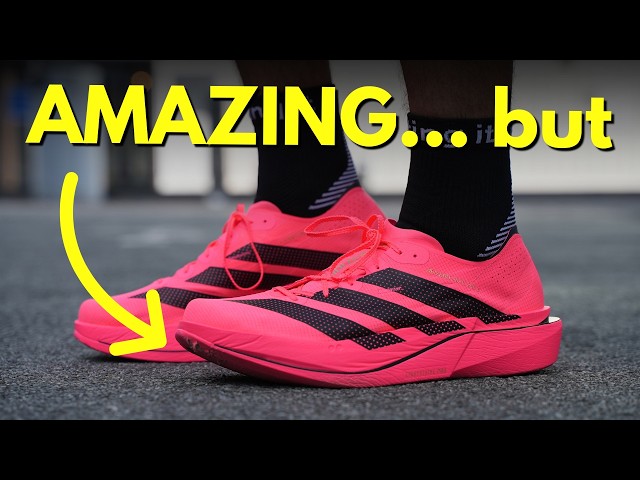
You do not need a massive shopping spree, but a comfortable pair of running shoes can make a huge difference. If your shoes are old, stiff, or just not right for your feet, training may feel harder than it should. A store that specializes in running can usually help you find a pair that feels supportive and comfortable.
Beyond shoes, clothing matters mostly in the sense that it should not distract you. Choose something that lets you move freely and helps you feel good outside. If you are comfortable, you are more likely to keep showing up. And showing up is really the whole game.
Make recovery part of the plan
Beginners sometimes assume progress only happens during the workout itself, but rest days are doing important work behind the scenes. Your body gets stronger when it recovers from the stress of training. That means sleep, hydration, and easy days are part of the process, not extras.
If your legs feel tired, sore, or a little grumpy after a session, that does not necessarily mean something is wrong. It may simply mean you are adapting. Gentle walking, stretching, and a good night’s sleep can go a long way. Think of recovery as the quiet teammate that helps everything else function better.
Stay interested by mixing up your routes
Training does not have to happen on the same stretch of sidewalk every time. One of the easiest ways to keep things fresh is to vary your route. A park loop, a neighborhood path, a track, or even a treadmill can all work. New scenery can make the time pass more quickly and give your workouts a more pleasant feel.
Some people like to listen to music or podcasts, while others prefer to notice the world around them. There is no right answer. The best option is the one that keeps you moving and makes the session feel a little more enjoyable. When training feels like a small part of your day you actually look forward to, you are much more likely to stay consistent.
Fuel simply and keep it practical
You do not need to overhaul your entire diet to train for a 5K. A normal, balanced approach is enough for most beginners. If you are running on a day when you have not eaten in a while, a light snack beforehand can help. Afterward, water and a meal or snack with some protein and carbohydrates can make recovery easier.
The main thing is to avoid making training feel fussy. This should not become a second job. Eat enough, drink enough, and pay attention to what makes you feel good. Over time, you will learn which foods help you feel steady before a workout and which meals are better saved for later.
Expect a few awkward moments
Every beginner has them. Maybe your breathing feels strange. Maybe you get passed by someone who looks like they are floating. Maybe one workout feels fantastic and the next one feels clumsy. That is all part of the process. First 5K training is often a little messy before it becomes rewarding.
The nice thing is that most of those awkward moments fade once you keep going. Fitness builds slowly, and confidence often shows up after you have already been doing the work for a while. It can be hard to notice improvement day by day, but then one day you realize you are running a little longer, recovering a little faster, or feeling less nervous about the whole thing. Those are the moments that make the effort feel worthwhile.
Race day is about finishing, not perfecting
When the big day arrives, keep your expectations simple. Eat something familiar, wear what you have trained in, and start slower than you think you need to. Race day excitement can make everyone go out too fast, especially beginners. Resist the urge if you can. A steady start usually feels better than an overcooked first mile.
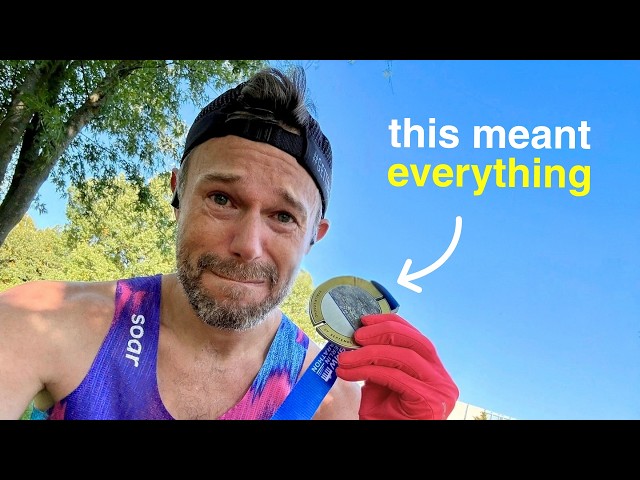
Also, do not be surprised if the atmosphere gives you a lift. First 5Ks often have a surprisingly friendly energy. There are people of all ages and abilities, volunteers cheering from the sidelines, and a shared sense that everyone is there for the same reason: to take part in something active and fun. Crossing the finish line, even if you walk some of it, is a genuine moment. It is the kind of achievement that stays with you.
And once you have done one 5K, you may find something unexpected waiting on the other side: not pressure to do more, but the possibility that moving your body can be enjoyable in a new way. That is the real win. Whether you go on to another race or simply keep running and walking for your own health, your first 5K can be the start of a habit that feels rewarding, social, and surprisingly uplifting.