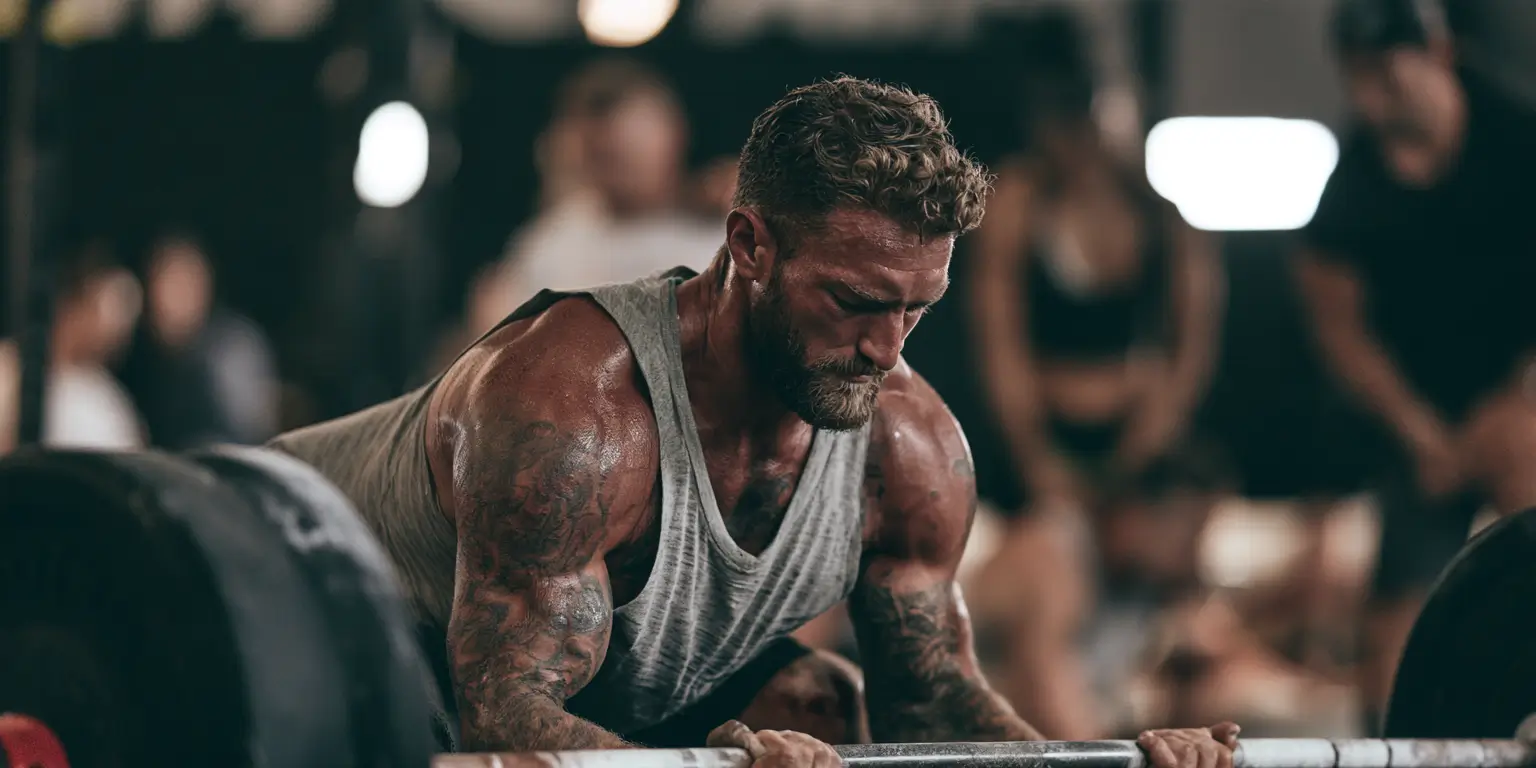
Strength training has been unfairly boxed into the same tired stereotype: meatheads, mirrors, and men chasing bigger biceps. That caricature is outdated, lazy, and frankly silly. The truth is much more interesting. Strength training is one of the most broadly useful things a human being can do, whether you are 16, 36, 56, or 86. It is not just about looking stronger. It is about functioning better, aging slower, and becoming harder to break.
And yes, the science is annoyingly consistent. Again and again, research shows that lifting weights, using resistance bands, or doing bodyweight resistance work delivers benefits that spill far beyond the gym floor. If you still think strength training is optional, you are probably confusing comfort with progress.
1. It builds muscle, obviously, but that is not the whole story
Muscle growth gets all the attention because it is visible. Fine. But the deeper point is that more muscle gives you a larger buffer against the daily wear and tear of life. Carrying groceries, climbing stairs, standing up from a chair, and playing with kids all become easier when your body is not running on fumes.
Science consistently shows that resistance training stimulates muscle protein synthesis, helping preserve and build lean mass across the lifespan. That matters at every age, but especially as muscle naturally declines over time.
2. It slows age-related muscle loss
Sarcopenia, the loss of muscle with age, is one of the great under-discussed villains of aging. People often obsess over wrinkles while ignoring the fact that weak legs are far more likely to wreck independence than laugh lines ever will.
Strength training is one of the most effective defenses against this decline. Older adults who lift can preserve more muscle, maintain better mobility, and reduce the chance that ordinary tasks become exhausting ordeals.
3. It strengthens bones better than most people realize
Bone is living tissue, not dead scaffolding. It adapts to stress. That means the right kind of loading tells your skeleton to stay dense and resilient. Strength training provides that signal in a way that casual walking alone often does not.
This is especially important for women, older adults, and anyone concerned about osteoporosis. Strong muscles are great. Strong bones are what keep those muscles attached to something useful.
4. It improves insulin sensitivity and metabolic health
Here is a blunt truth: strength training helps your body handle carbohydrates more efficiently. That means better blood sugar regulation and improved insulin sensitivity. In plain English, your body gets better at using fuel instead of storing it like panic buying for winter.
This benefit is not limited to people with diabetes or prediabetes. Anyone who wants steadier energy, improved metabolic function, and better long-term health can benefit from resistance work.
5. It can support fat loss without the usual misery
Let us be honest about most fat-loss advice: it is usually a morale-destroying blend of eating less, suffering more, and pretending that willpower is a personality trait. Strength training offers a smarter angle.
By increasing or preserving muscle mass, lifting weights helps maintain resting metabolic rate better than dieting alone. It also tends to make people more capable, which often leads to more movement overall. The scale may not tell the full story, but body composition often improves in a way that looks and feels far better than simple weight loss.
6. It improves posture and reduces the feeling of being physically fragile
A lot of people think they have a posture problem when they really have a weakness problem. If your upper back is underdeveloped, your glutes are asleep, and your core is doing a half-hearted impression of support, standing tall is going to feel like work.
Strength training can improve the muscular balance needed for better posture and a more upright, confident movement pattern. The payoff is not just aesthetic. It is the difference between feeling sturdy and feeling like a folding chair.
7. It boosts brain health more than people expect
The brain is not separate from the body in some smug philosophical sense. It is part of the same system, and exercise changes that system. Research suggests strength training can support cognition, attention, and executive function, especially in older adults.
That means lifting may help with memory, mental sharpness, and decision-making. In other words, the gym is not just where you train your body; it is where you teach your nervous system to stay useful.
8. It supports joint health when done intelligently
Contrary to the scare stories, lifting does not automatically destroy your joints. Poor programming, reckless ego lifting, and terrible form are the real culprits. Smart strength training can actually improve joint stability by strengthening the muscles, tendons, and connective tissues around them.
That added support can reduce discomfort and improve function. For many people, the answer to cranky knees or shoulders is not doing less forever. It is getting stronger with better mechanics.
9. It helps people age with independence instead of dependence
This may be the most important benefit of all. Strength is not a vanity metric. It is a freedom metric. The ability to lift your suitcase, get off the floor, carry a child, or open a stubborn jar is not glamorous, but it is what quality of life actually looks like.
Older adults who maintain strength are more likely to stay independent, avoid falls, and keep participating in the parts of life that matter. That is not fitness for aesthetics. That is fitness for dignity.
10. It improves confidence in a way motivational quotes never will
Confidence built on compliments is fragile. Confidence built on competence lasts. Strength training gives people measurable proof that they are getting stronger, more capable, and more resilient. That changes how they carry themselves in the gym, at work, and in daily life.
There is something psychologically powerful about noticing that you can do more this month than you could last month. It rewires the story you tell yourself. And unlike most self-help advice, it actually works.
What matters most is consistency, not perfection
You do not need to train like a competitive powerlifter to get the benefits. You do not need a fancy program, a personal chef, or a wardrobe full of compression gear. You need a plan, some patience, and enough honesty to stop treating strength training like an optional hobby.
Two to four sessions per week can make a meaningful difference for many people. Focus on the basics: squat patterns, hinging, pushing, pulling, carrying, and bracing. Get gradually stronger. Recover properly. Repeat.
Strength training is not trendy because it is not new. It is powerful because it works. At every age, it helps the body become more capable and the mind more confident. The real question is not whether you should start. It is why you have been waiting this long.