In the weight room, on the training pitch, or in the locker room after a hard session, I learned one thing the hard way: training is only half the job. The other half is fueling your body so you can actually recover, adapt, and come back stronger. What you eat before and after a workout can change everything from energy levels to muscle repair to how sore you feel the next day.
The best nutrition plan does not need to be complicated. It needs to be consistent, practical, and matched to the work you are doing. A long run, a heavy lift, and a pickup basketball game all place different demands on the body, but the same basic rules apply: give yourself enough carbohydrates for fuel, enough protein for repair, and enough fluids to stay sharp.
What to Eat Before a Workout
Pre-workout nutrition is about showing up with gas in the tank. If you have ever felt flat during a session, you already know the cost of underfueling. The goal is to eat something that digests well, gives you usable energy, and does not sit like a brick in your stomach.
Carbohydrates are the main fuel source before most workouts. They break down into glucose, which your muscles use quickly when the pace picks up. For moderate to intense training, carbs matter even more. Think of them as the difference between pressing the action and running out of legs in the fourth quarter.
Protein helps, too, especially if you are lifting or doing a long session. A small amount can support muscle repair without making the meal too heavy. Fat is not the enemy, but too much of it right before exercise can slow digestion.
Good Pre-Workout Meal Options
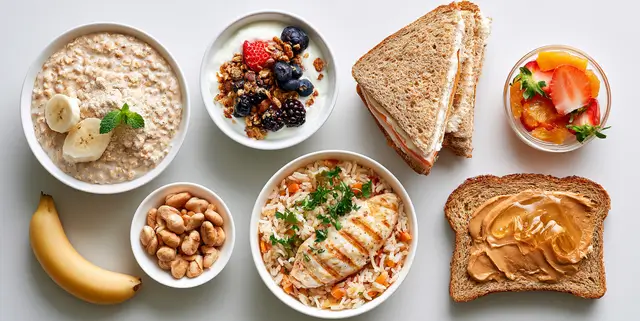
- Oatmeal with banana and a scoop of protein
- Greek yogurt with berries and granola
- Turkey sandwich on whole-grain bread
- Rice with chicken and a small amount of vegetables
- Toast with peanut butter and honey
If you are eating 2 to 3 hours before training, you can handle a fuller meal with carbs, protein, and a little fat. If you are eating 30 to 60 minutes before, keep it lighter and easier to digest. A banana, a piece of toast, or a sports drink may be enough.
From experience, the biggest mistake athletes make is trying something new right before a hard workout. Game day is not the time to experiment. Your body likes routine. Stick with foods you know sit well, especially before intense sessions or long events.
What to Eat After a Workout
Post-workout nutrition is where recovery starts. This is the window when your body is trying to replace energy stores and repair tissue that has been stressed. You do not need to panic about eating within 10 minutes, but you should not wait all day either.
Protein is the headline nutrient after training because it provides amino acids for muscle repair. Carbohydrates are just as important, especially after hard conditioning or endurance work, because they refill glycogen stores. If you train again later that day or the next morning, recovery nutrition becomes even more important.
A solid post-workout meal should include:
- Protein: chicken, fish, eggs, tofu, yogurt, whey protein
- Carbohydrates: rice, potatoes, fruit, pasta, oats, bread
- Fluids: water, electrolyte drinks, milk, or a smoothie
Strong Post-Workout Meal Ideas
- Grilled chicken, rice, and vegetables
- Eggs with toast and fruit
- Protein smoothie with banana, oats, and milk
- Salmon with potatoes and a side salad
- Cottage cheese with berries and whole-grain crackers
If you just finished a brutal session and do not feel like eating a full meal, start with a shake or snack, then eat a proper meal within a couple of hours. That is a veteran move. In pro environments, recovery is treated like part of training, not an afterthought.
How Much Protein and Carbs Do You Need?
The answer depends on body size, training load, and goals, but a simple guide works for most active people. After a workout, aim for 20 to 40 grams of protein and a good source of carbohydrates. Bigger athletes or those doing high-volume training may need more.
For carbs, think in terms of the session you just completed. A light lift may not require as much refueling as a long interval workout or a two-hour practice. The harder and longer the session, the more carbs you should prioritize.
If fat loss is your goal, do not slash post-workout food so hard that recovery suffers. You still need enough fuel to train well tomorrow. That is where many athletes lose momentum: they try to out-diet their training and end up tired, sore, and inconsistent.
Hydration Matters More Than Most People Think
You can eat perfectly and still feel lousy if you are dehydrated. Even mild dehydration can affect strength, concentration, and endurance. Start your workout hydrated, sip water during training, and replace what you lose afterward.
For longer sessions or sweaty workouts, electrolytes can help. If you are cramping, dragging, or recovering slowly, fluids may be part of the problem. A simple check: if your urine is dark, you likely need more water.
Smart Timing Tips
- Eat a larger meal 2 to 3 hours before training
- Keep pre-workout snacks light if training soon
- Refuel with protein and carbs within 1 to 2 hours after exercise
- Do not rely on supplements instead of real food
- Practice your nutrition plan just like you practice your workouts
The cleanest athletes I have been around were not always the ones eating the fanciest foods. They were the ones who had a system. They knew what worked before practice, what helped them recover, and how to stay ready day after day. That kind of discipline builds trust in the locker room and consistency on the field.
At the end of the day, pre- and post-workout nutrition is about giving your body a chance to perform and a chance to bounce back. Eat enough to train hard, recover well, and keep showing up. That is how progress happens.