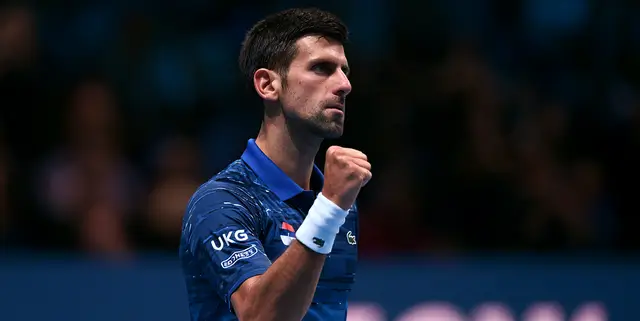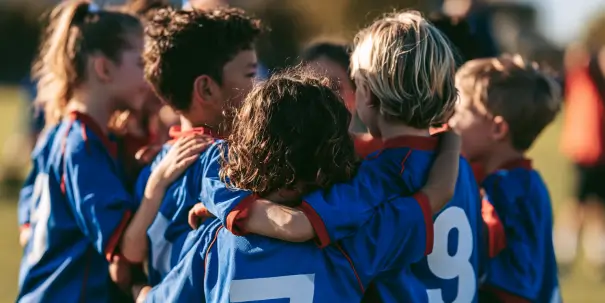
Team sports are often discussed in terms of wins, losses, and trophies, but the deeper value shows up in the numbers that do not always appear on a scoreboard. Across youth, amateur, and recreational levels, participation in team sports is strongly linked with higher confidence, better communication, and a greater sense of belonging. In practical terms, athletes learn how to make decisions under pressure, how to trust others, and how to contribute to something larger than themselves. Those are leadership skills, and they are built one practice, one game, and one season at a time.
What makes team sports especially powerful is the combination of accountability and repetition. A player cannot improve in isolation if the sport requires coordination with teammates. Over a season, an athlete may participate in dozens of practices and games, each one offering feedback on effort, timing, and composure. That repeated exposure to responsibility is one reason team sports can shape confidence so effectively. Confidence is not created by empty praise; it is built through evidence. When a player learns that their pass, defensive rotation, or communication helped the group succeed, that player gains proof that their actions matter.
Leadership starts with responsibility
Leadership in sports is often mistaken for wearing a captain’s armband or giving a pregame speech. Those roles matter, but real leadership is much broader. It includes arriving prepared, communicating clearly, supporting struggling teammates, and staying composed when the game turns difficult. In a team setting, each athlete gets repeated chances to practice these behaviors. A defender organizing a back line, a point guard calling out coverage, or a midfielder adjusting shape in transition is not just playing a position; they are making decisions that affect the entire group.
That matters because leadership is learned through action, not theory. Team sports create a natural environment where young people experience cause and effect. If one player misses an assignment, the whole unit feels it. If one player steps up, the whole unit benefits. This feedback loop teaches accountability faster than many classroom settings can. It also encourages empathy, because strong leaders must understand how their choices affect teammates who rely on them.
There is also a measurable communication advantage. Teams that coordinate effectively tend to reduce errors, improve spacing, and respond faster to pressure. Even in recreational leagues, the difference between a group that talks consistently and one that stays silent can be obvious. The more often players communicate, the more comfortable they become leading in other settings as well, from school projects to workplace collaboration.
Confidence grows through visible progress
Confidence in sports is rarely a straight line. Most athletes experience setbacks, missed shots, poor touches, and disappointing results. Yet team sports are designed to keep players engaged long enough to see improvement. That gradual progress is crucial. A player who starts the season hesitant may become more assertive after learning the system, understanding teammates, and building trust in their own ability. In percentage terms, even modest gains can feel significant: improving completion rate, reducing turnovers, or winning a larger share of contested plays all reinforce belief.
Unlike individual activities where success can depend heavily on personal output, team sports allow confidence to develop in shared moments. A player may not score every game, but they may still contribute through defensive effort, smart positioning, or a key assist. That broader definition of success helps more participants feel valued. It is especially important for younger athletes, because confidence often depends on whether they believe they have a role that matters. When coaches and teammates recognize multiple forms of contribution, more players stay engaged and more players improve.
Confidence also grows because athletes are repeatedly placed in situations that require controlled risk. Taking a shot, making a pass under pressure, or calling for the ball in traffic all involve uncertainty. Over time, those repeated decisions reduce fear. Athletes begin to learn that mistakes are part of the process, not a final verdict. That mindset transfers well beyond sports, helping people speak up, take initiative, and handle criticism more effectively.
Stronger communities are built through shared identity
Team sports do more than shape individuals; they connect people. A local club, school team, or community league creates regular gathering points where neighbors, families, and supporters interact. That repeated contact matters because social connection is one of the strongest predictors of community strength. When people show up for games, volunteer for events, or help with fundraising, they are building trust through shared experience.
The social impact is easy to see in attendance patterns. A single team can bring together parents, siblings, classmates, alumni, and local businesses. A Saturday game becomes more than entertainment; it becomes a community event. Over a season, that shared schedule creates familiarity, and familiarity often leads to cooperation. People who may never otherwise speak end up working together on concessions, transport, coaching, or facility maintenance.
Team sports can also bridge gaps across age, background, and experience. Younger players learn from older teammates. Newcomers learn local customs quickly. Supporters rally around a common goal, which reduces the distance between groups. In that way, the sports field becomes a small-scale model of civic life. It rewards participation, respect, and mutual support. Communities that invest in team sports often see benefits beyond the field, including stronger school spirit, increased volunteerism, and a more connected neighborhood identity.
Why the group setting matters more than people think
The team environment provides a unique psychological advantage because it combines belonging with pressure. Players are not only responsible for themselves; they are responsible to others. That dual responsibility can be challenging, but it is also what makes the experience so effective for personal growth. A person who learns how to perform within a group learns how to lead without dominating, how to listen without disappearing, and how to stay focused when others depend on them.
From a developmental perspective, the group setting offers constant micro-lessons. A missed rotation teaches awareness. A successful assist teaches trust. A hard-fought comeback teaches resilience. Even losses have value because they force reflection and adjustment. In sports, the evidence is immediate. Players can see whether communication improved, whether effort increased, and whether the group responded better under stress. That clarity is rare in many other parts of life.
There is also a strong retention effect. People often stay involved in team sports because the relationships are as valuable as the competition. That matters because the longer someone remains involved, the more likely they are to gain the leadership and confidence benefits. A season of participation can be useful; multiple seasons create habits. Those habits often include discipline, punctuality, respect for roles, and the ability to support others during high-pressure moments.
Practical benefits that carry into everyday life
The skills developed in team sports translate directly into school, work, and family life. Leadership becomes the ability to coordinate a group project, manage a deadline, or guide a discussion. Confidence becomes the willingness to speak clearly, try new tasks, and recover from setbacks. Community-minded thinking becomes volunteering, mentoring, and showing up for others consistently.
Consider the overlap in basic traits:
- Communication: athletes learn to give and receive information quickly and clearly.
- Accountability: teammates are expected to honor commitments and roles.
- Resilience: failure is part of the process, not a reason to quit.
- Cooperation: success depends on matching individual talent with group strategy.
- Confidence: repeated reps create evidence of improvement.
Those traits matter in almost every environment where people work together. That is why employers often value former team athletes, and why educators and parents frequently encourage sports participation. The game teaches more than technique. It teaches how to function in systems, how to support others, and how to keep moving after mistakes.
The lasting value of shared effort
At its best, team sports create a cycle of growth. Individuals gain confidence, confident individuals communicate better, better communication improves team performance, and stronger teams create stronger communities. The impact compounds over time. One player becomes a leader. One team becomes a source of pride. One league becomes a network of support. That compounding effect is why team sports remain such a powerful part of community life.
In a world that often celebrates solo achievement, team sports remind us that progress is usually collective. The most meaningful victories are not always the ones with the highest score margins. Sometimes they are measured in a quieter way: a shy player becoming vocal, a struggling athlete finding belief, a neighborhood gathering around a local field, or a group of people learning how to succeed together. Those outcomes do not just make better players. They make better leaders, more confident individuals, and stronger communities.