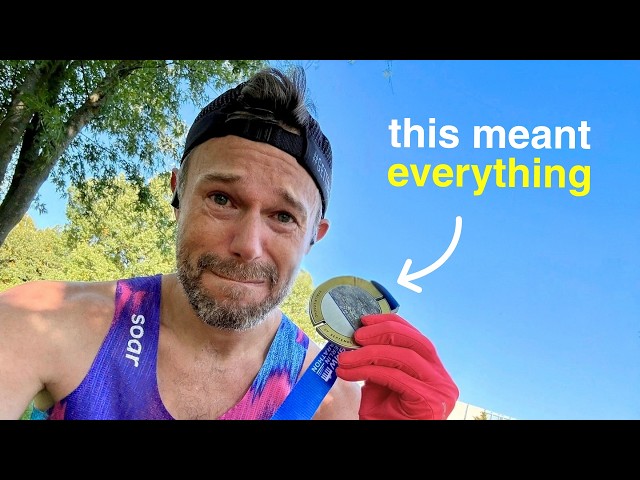
Fitness used to live mostly in gyms, parks, studios, and the pages of magazines. Today, it also lives on screens. Social media has reshaped the way people discover workouts, choose goals, track progress, and connect with others who share their interests. Platforms like Instagram, TikTok, YouTube, and Facebook have turned fitness into something highly visible, highly shareable, and constantly evolving.
This shift has created new opportunities for motivation and education, but it has also introduced pressure, comparison, and a steady stream of trends that can be hard to evaluate. Modern fitness culture is now part training space, part entertainment feed, and part community forum.
Fitness Inspiration Is Always One Scroll Away
One of the biggest changes social media brought to fitness is access. In the past, people often relied on a local trainer, a magazine routine, or word of mouth to learn about exercise. Now, millions of workouts, meal ideas, mobility drills, and success stories are available instantly.
This has made fitness more approachable for many people. A beginner can find a five-minute core routine, a low-impact cardio session, or a yoga flow without leaving home. Someone recovering from a long break can watch short tutorials and ease back in at their own pace. The barrier to getting started is often much lower than it used to be.
Social media has also broadened what fitness looks like. It is no longer presented as only heavy lifting or marathon running. People now see dance workouts, hiking, Pilates, cycling, calisthenics, recovery work, and adaptive fitness content. That variety helps more people find a style that matches their body, interests, and lifestyle.
Influencers Became the New Fitness Authorities
Traditional fitness advice once came mainly from certified professionals, coaches, and established publications. Social media created a new class of fitness voices: influencers, creators, and online personalities who build large audiences by posting regular content.
Some of these creators are highly qualified and offer real value through coaching, programming, or educational content. Others are less experienced but still gain attention because they are entertaining, relatable, or visually polished. That mix has changed how people judge credibility in fitness.
As a result, followers often need to be more selective. A video may look convincing, but quality fitness advice should still be grounded in sound technique, realistic expectations, and, when appropriate, professional credentials. Social media made advice more accessible, but not always more reliable.
Body Image and Comparison Became Harder to Ignore
Social media has had a powerful effect on body image in modern fitness culture. Carefully posed photos, filters, editing tools, and idealized transformations can make it seem as though everyone else is leaner, stronger, and more disciplined. That can be motivating for some people, but discouraging for others.
Comparison is almost unavoidable in a feed full of progress photos and highlight reels. Many users only post their best moments, which can create unrealistic expectations about how fast change should happen. Real fitness progress often takes time, includes setbacks, and looks different from person to person.
At the same time, social media has also supported more body-positive and inclusive fitness movements. Creators of different ages, sizes, abilities, and backgrounds are showing that health and strength do not belong to one body type. This broader representation has helped many people feel seen in a space that once felt exclusive.
Trends Spread Faster Than Ever
Before social media, a fitness trend might take months or years to spread. Now it can go viral in a matter of hours. One popular video can launch a new challenge, exercise, supplement, or workout style across the globe almost overnight.
This speed has made fitness culture more exciting and dynamic. It is easier than ever to discover new methods, from resistance band routines to hybrid training formats. It also means that people can experiment with different approaches until they find what works for them.
But viral trends can be a double-edged sword. Not every popular movement is effective, safe, or appropriate for everyone. Some workouts are designed more for clicks than for long-term results. The challenge for users is learning how to separate useful ideas from hype.
Community Support Feels More Accessible
Another major change is the sense of community social media can create. Fitness can sometimes be lonely, especially for beginners or for people exercising at home. Online spaces have helped fill that gap.
Users can join challenge groups, comment on each other’s progress, share personal milestones, and find encouragement from people they have never met in person. For many, that support is deeply motivating. It can make exercise feel less like a solitary task and more like a shared lifestyle.
Community has also helped normalize the ups and downs of training. People now talk more openly about plateaus, rest days, missed workouts, injuries, and mental health. That honesty can reduce shame and make fitness feel more sustainable.
Tracking Progress Became Public
Social media changed the way people document progress. Instead of keeping fitness goals private, many now post updates, transformation photos, or workout logs. Sharing progress can build accountability and help people recognize how far they have come.
Public tracking can be powerful, but it can also create pressure to perform progress for an audience. Some people feel they need visible results to justify their effort. Others may chase short-term changes that photograph well rather than habits that truly support health.
The healthiest approach is often to use social sharing as a tool, not a measuring stick. Progress can include better sleep, stronger energy, improved mood, or more consistent habits. Those changes may not always look dramatic online, but they matter just as much.
Marketing and Monetization Changed the Game
Social media turned fitness into a major business. Creators now earn money through sponsorships, affiliate links, branded programs, apparel, supplements, and subscriptions. This has made fitness entrepreneurship more accessible, but it has also blurred the line between advice and advertising.
When every product claim is paired with a personal story, it can be difficult to tell whether a recommendation is genuine or promotional. That does not mean all partnerships are misleading, but it does mean audiences should stay thoughtful. Reading labels, checking credentials, and being cautious with bold promises are still important habits.
On the positive side, monetization has allowed many trainers and wellness educators to build careers independently. It has also helped niche fitness communities grow, including coaches who serve specific populations and needs.
What Modern Fitness Culture Looks Like Now
Today’s fitness culture is more open, fast-moving, and visually driven than ever before. Social media has made fitness easier to access, easier to share, and easier to personalize. It has also made it more commercial, more competitive, and sometimes more confusing.
The best part of this new era is choice. People can learn from a wide range of voices, explore different training styles, and find communities that keep them engaged. The challenge is to stay grounded while doing it. Not every trend is worth following, not every transformation is realistic, and not every polished post reflects real life.
Used wisely, social media can be a powerful fitness tool. It can educate, connect, and inspire. The key is to treat it as a starting point rather than the full picture, and to build a fitness routine based on consistency, curiosity, and what genuinely supports long-term wellbeing.