Sports history is replete with extraordinary comebacks that have not only left fans awestruck but also redefined what is thought possible in the sporting realm. These moments of resilience and triumph against all odds continue to inspire athletes and supporters alike across the globe. One such comeback that remains etched in the annals of sports history revitalized the spirit of competition and showcased an unwavering determination that is the hallmark of true champions.
The Miracle on Ice
Arguably one of the most iconic comebacks in sports history is the “Miracle on Ice” during the 1980 Winter Olympics. The United States men’s ice hockey team, comprised largely of amateurs and college players, faced off against the seemingly invincible Soviet Union team. Despite being heavy underdogs, the U.S. team’s spirited performance in the semi-finals captured the imagination of audiences worldwide.
- The Soviet team had won four consecutive gold medals.
- The U.S. team was composed of younger, less experienced players.
- The Soviet team had defeated the U.S. 10-3 in an exhibition match just weeks before the Olympics.
Against all expectations, the American team clinched a 4-3 victory. This monumental upset was more than just a game; it was a cultural moment during the Cold War era, representing perseverance and hope.
“They Came Back from the Dead!”
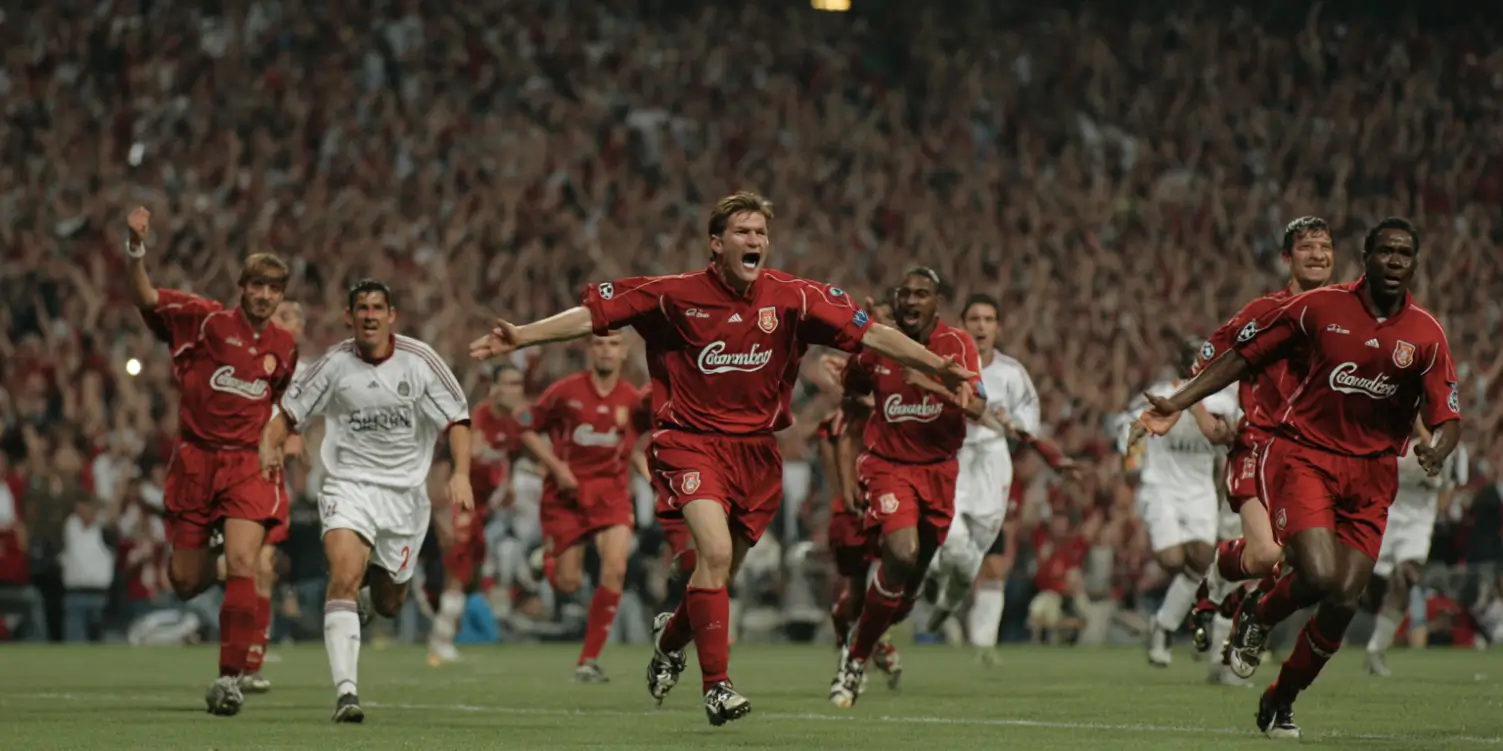
In football, there is perhaps no match that more perfectly encapsulates the notion of a comeback than the 2005 UEFA Champions League final between Liverpool and AC Milan. Often referred to as the “Miracle of Istanbul,” this match is celebrated as one of the greatest comebacks in football history.
- Liverpool was trailing 3-0 at half-time, facing a seemingly insurmountable deficit.
- AC Milan was considered one of the strongest teams, bolstered by players with immense skill and experience.
- Liverpool’s manager, Rafael Benitez, made tactical changes that altered the momentum of the game.
In a stunning turn of events, Liverpool leveled the score to 3-3 within the first six minutes of the second half, forcing extra time and eventually winning on penalties. This remarkable comeback not only secured Liverpool’s fifth European Cup but also solidified their place in football folklore.
A Tennis Legend’s Unyielding Spirit
Tennis, too, has witnessed its share of heart-stopping comebacks that illustrate the power of resilience and mental fortitude. Among these, the 2009 Wimbledon final between Roger Federer and Andy Roddick stands out as a testament to never giving up.
- The match extended to a grueling fifth set, testing the endurance of both players.
- Roddick was seeking his first Wimbledon title, while Federer was aiming to reclaim the No. 1 ranking.
- Federer eventually won 16-14 in the final set, after a match that lasted over four hours.
This match exemplified the essence of competitive spirit, where both players pushed each other to their limits. Federer’s comeback from a seemingly losing position showcased why he is often regarded as one of the greatest players in the sport’s history.
Breaking the Barriers of Possibility
These comebacks not only serve as milestones within their respective sports but also offer a powerful reminder of the resilience inherent in the human spirit. Fans and athletes alike draw inspiration from these tales of improbable victory, reinforcing that no situation is truly hopeless and that perseverance can indeed redefine the boundaries of what is possible.
Whether we are inspired by the likes of Liverpool’s against-the-odds triumph, the unbreakable spirit of Federer’s Wimbledon feat, or the youthful exuberance of the 1980 U.S. hockey team, these comebacks remind us all of a universal truth in sports: that the game is never over until it is truly over.