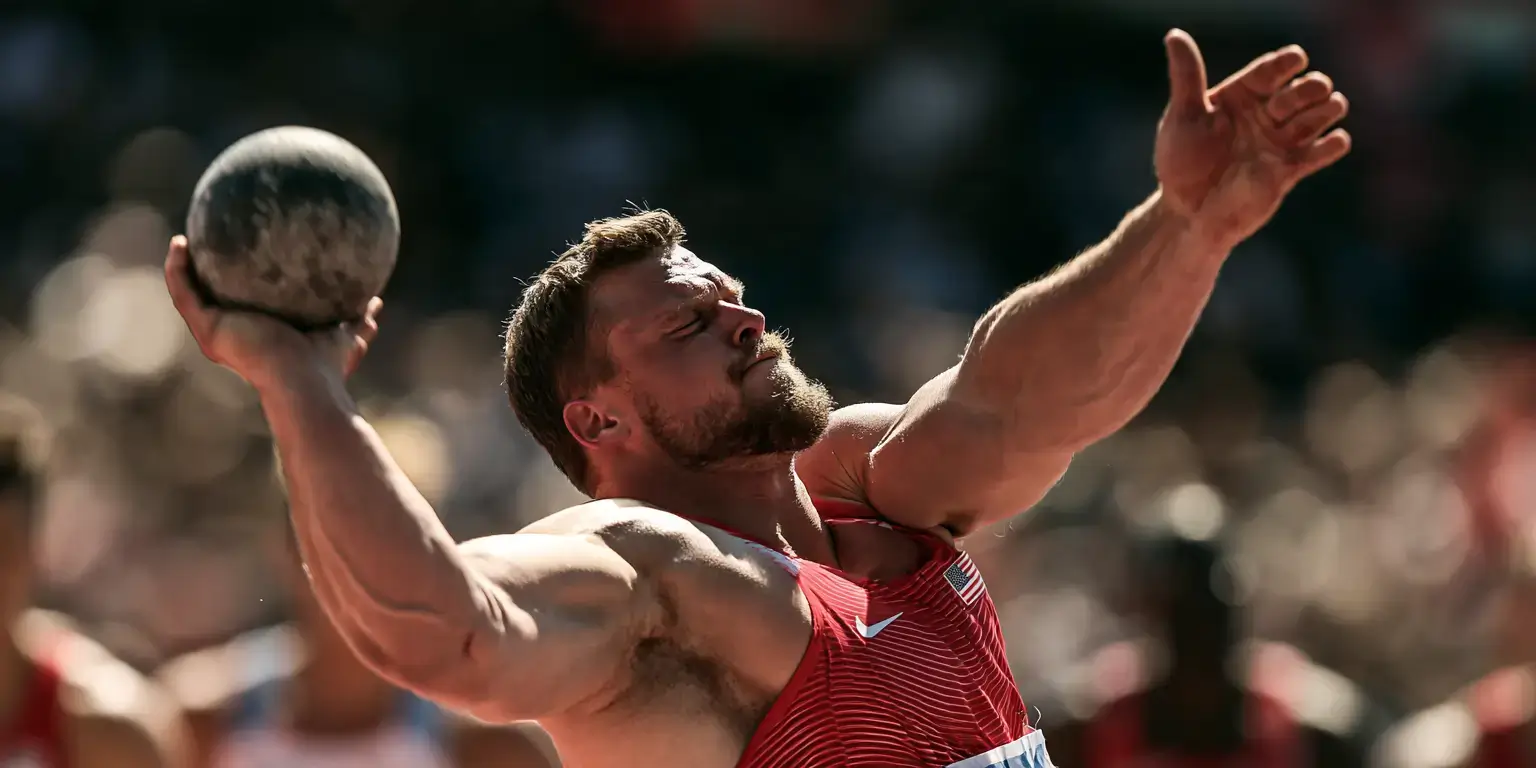
High school sports in the United States have long played a pivotal role in student development both on and off the field. With millions of participants across various disciplines, these sports programs are fine-tuning the next generation of athletes through a combination of skill development, character building, and academic integration.
The Role of Skill Development
High school sports serve as an invaluable platform for refining athletic abilities. Coaches at this level focus on a plethora of techniques and strategies that build the foundational skills necessary for excelling at collegiate and professional levels. In basketball, for example, student-athletes will spend countless hours honing shooting techniques, defensive maneuvers, and court awareness, while in swimming, athletes are drilled on stroke proficiency and breathing techniques.
Moreover, the competitive nature of high school sports fosters an environment where students are constantly pushed toward improvement. They engage in rigorous practices and face diverse opponents, which collectively enhance their athletic prowess and prepare them for the next level of competition.
Character Building and Personal Growth
Beyond the physical aspects, high school sports are instrumental in character building. They instill a sense of discipline, responsibility, and teamwork in young athletes. These programs often require students to maintain good academic standing and demonstrate sportsmanship, both of which are critical in shaping well-rounded individuals.
Participation in team sports teaches communication, leadership, and resilience. For instance, dealing with wins and losses cultivates emotional maturity and competitiveness under pressure, key attributes for success in both sports and life. The lessons learned from managing the highs and lows of athletic performance inevitably translate into other areas, such as personal goals and professional endeavors.
Integration with Academic Achievement
High school sports programs in the U.S. uniquely integrate athletics with academics, providing a balanced approach to student development. Many high schools set eligibility criteria that require a minimum GPA, ensuring that student-athletes prioritize their educational pursuits. This synergy promotes a holistic educational experience that underscores the importance of academics alongside sports.
Additionally, many schools have invested in support systems such as tutoring and mentorship programs, guiding student-athletes in managing their time effectively. This nurturing environment helps foster academic excellence, setting a precedent for success in higher education and beyond.
Pathways to Collegiate and Professional Leagues
For many young athletes, high school sports serve as a stepping stone to collegiate athletics and even professional careers. The exposure they receive in high school competitions can lead to scholarships and recruitment by college coaches. As such, these programs are critical in shaping the future of sports in the U.S.
NCAA statistics consistently indicate that a significant proportion of college athletes started honing their skills in high school settings. The competitive nature and structured environment of school sports programs pave the way for identifying and nurturing potential talent early in their sporting careers.
Community Impact and Support
High school sports also have a profound impact on local communities, serving as focal points for community pride and spirit. Games often attract large crowds, creating an exciting and supportive atmosphere for young athletes. Such community involvement not only enhances the experience for student-athletes but also boosts their morale and self-esteem.
Community support extends beyond game days as local businesses, parents, and alumni often contribute to fundraising efforts, ensuring that the programs receive the necessary resources and facilities. This communal investment underscores the societal value placed on sports as a vital component of educational development.
In conclusion, high school sports in the U.S. play a critical role in shaping future athletes. Through skill development, character building, and academic integration, these programs are forging pathways for young athletes to excel in their sporting careers and beyond. The ripple effect of a strong high school athletics program touches personal, educational, and community arenas, making it an indispensable component of the educational framework.