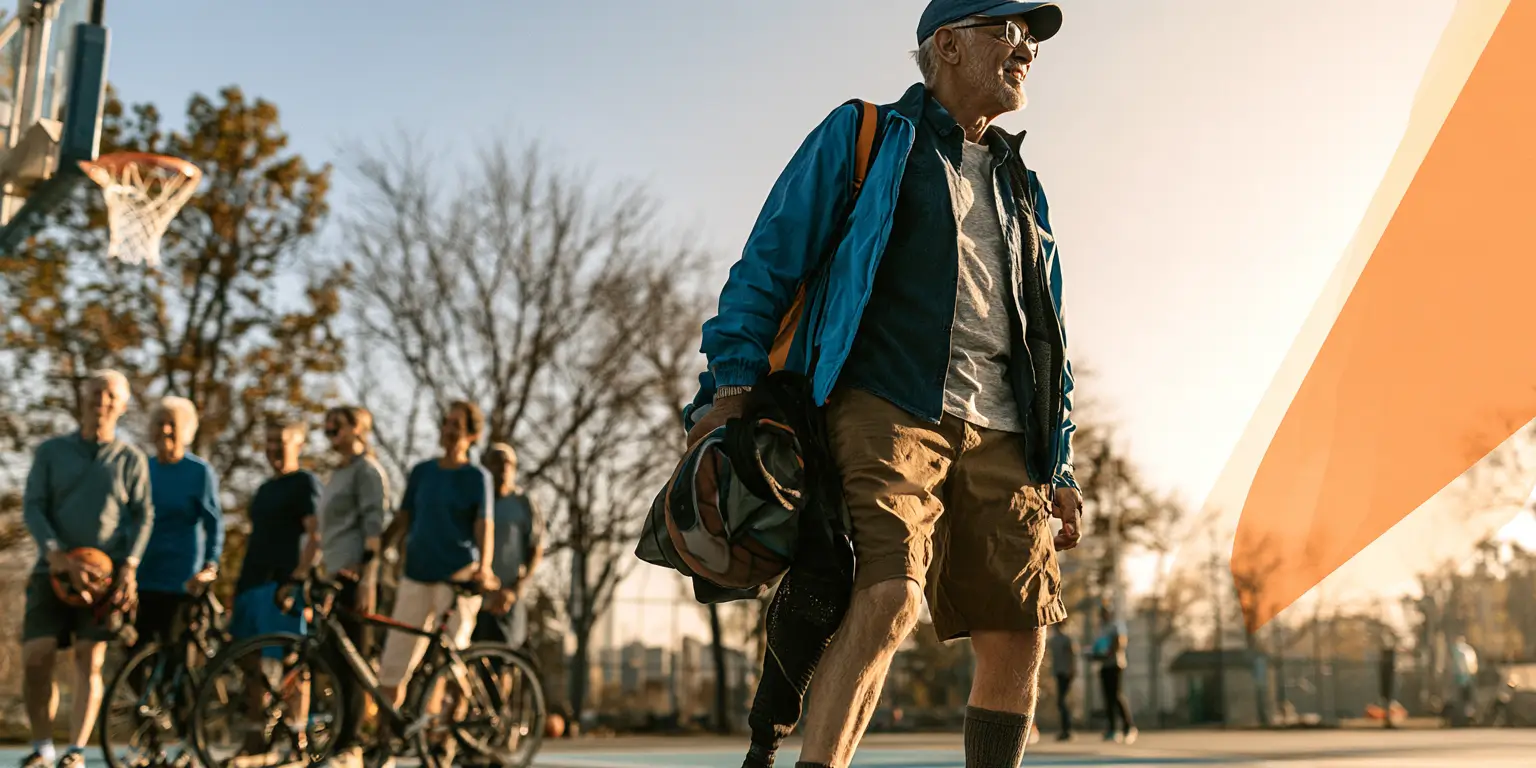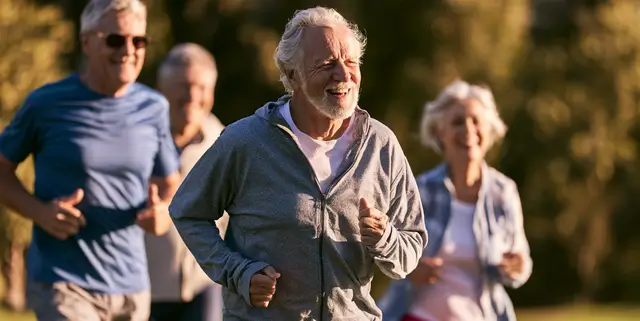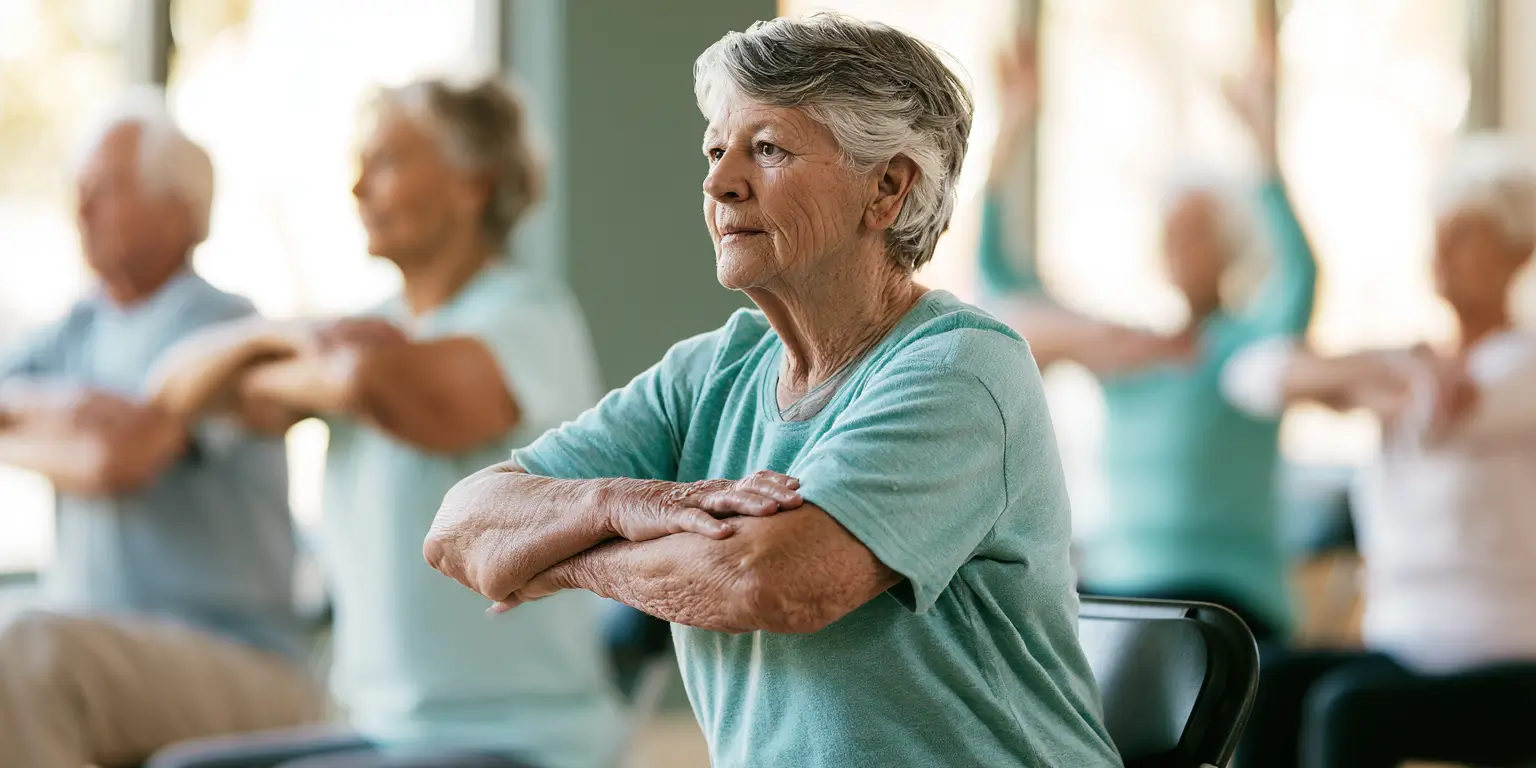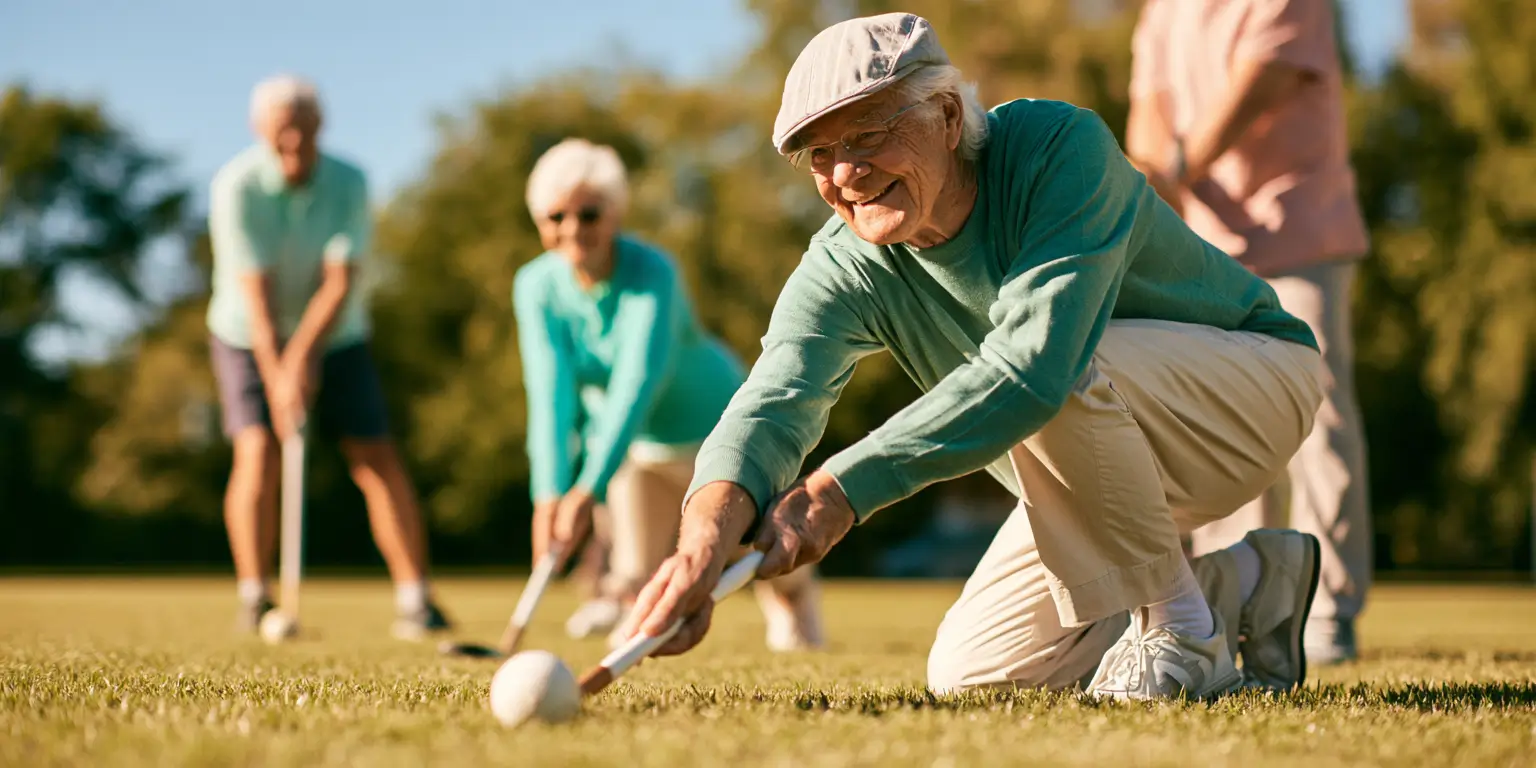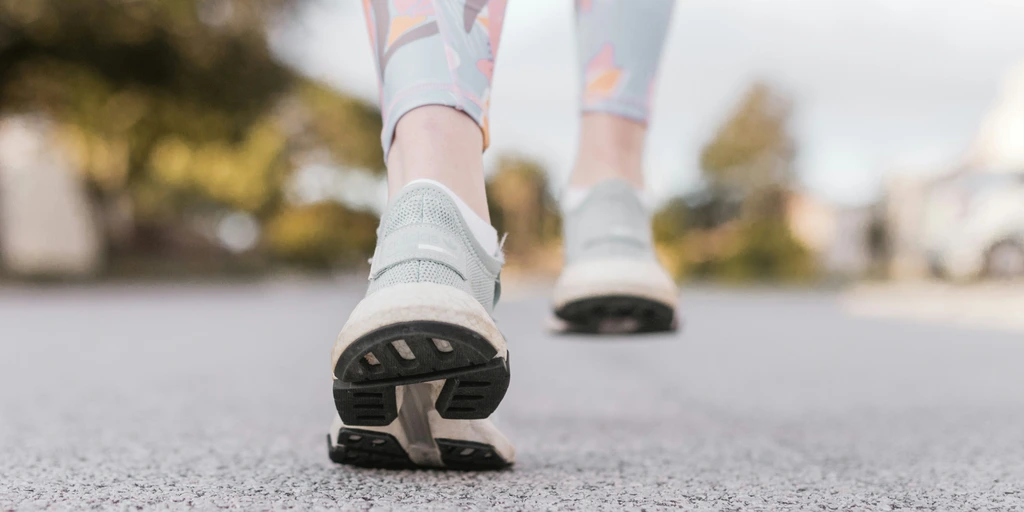
In today’s fast-paced world, maintaining fitness is essential at any age, but it becomes even more critical as we reach our golden years. For seniors, staying active is not just a matter of health, but it is a way to enhance quality of life and independence. This shift in perception highlights the importance of fitness for seniors and marks active aging as a true game-changer.
Benefits of Staying Active
Engaging in regular physical activity offers a plethora of benefits for seniors. First and foremost, it boosts cardiovascular health. Activities like walking, swimming, or cycling help improve heart function and reduce the risk of heart disease. Furthermore, exercise enhances muscular strength, which is vital for carrying out everyday tasks with ease.
Another significant benefit is the improvement in mental health. Physical activity releases endorphins, often known as the body’s natural mood lifters, which can help alleviate symptoms of depression and anxiety. Additionally, being active aids cognitive function, which is crucial in preventing dementia.
Enhancing Balance and Mobility
Falls are one of the leading causes of injury in seniors. Regular exercise improves balance and coordination, thus minimizing the risk of falls. Activities like tai chi or gentle yoga can enhance flexibility and strength, providing a solid foundation for a more stable posture.
Social Connections and Community
Staying active also opens doors to social opportunities. Joining a fitness class or a walking group can lead to new friendships, reducing feelings of loneliness and isolation common in senior years. This community aspect can significantly contribute to emotional well-being.
Implementing a Fitness Routine
For seniors, it’s vital to start a fitness regimen that aligns with their personal health goals and limitations. It is crucial to consult with healthcare providers before beginning any new exercise program. Once cleared, variety is key—combining cardiovascular, strength, balance, and flexibility exercises keeps things engaging and comprehensive.
- Cardiovascular Exercise: Activities like walking, swimming, or cycling for at least 150 minutes per week.
- Strength Training: Engaging in resistance exercises two or more days a week to build muscle.
- Flexibility and Balance: Including yoga or tai chi sessions that help prevent falls.
Overcoming Barriers to Fitness
Common obstacles such as chronic health conditions, pain, or lack of motivation can hinder the path to becoming active. However, by addressing these barriers with adaptive solutions, such as low-impact workouts or engaging in activities that are enjoyable, seniors can conquer these challenges.
Moreover, the development of wearable technology provides seniors with tools to monitor their progress and stay motivated. These devices can offer real-time feedback and encourage users to achieve daily activity goals.
Long-Term Advantages
Active aging not only leads to a longer life but a better quality one. By prioritizing fitness, seniors can maintain independence, reduce the risk of chronic diseases, and experience enhanced vitality well into their later years.
Fitness is undeniably a cornerstone of a fulfilling life, granting seniors the ability to enjoy life’s pleasures and meeting challenges with resilience. As society continues to emphasize active aging, the importance of fitness for seniors remains a key topic—one that can have transformative effects on individuals and communities alike.