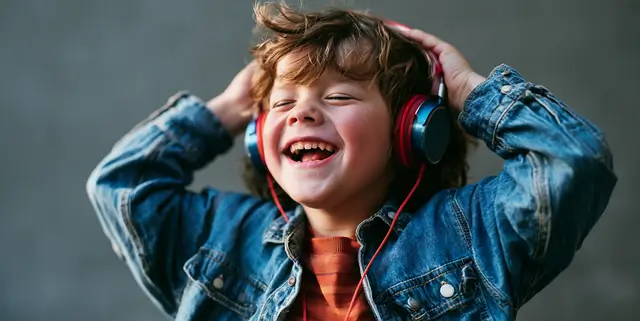
Here’s the unpopular truth: kids do not need more screen-time-friendly entertainment disguised as “activities.” They need movement, chaos, laughter, and just enough structure to stop the living room from looking like a minor disaster zone. If the weather is ugly, the park is closed, or your energy level is somewhere between exhausted and feral, indoor movement is not a backup plan. It’s the main event.
Stop pretending kids want to sit still
Children are not tiny adults. They are motion machines with snacks. The mistake most households make is assuming “indoor fun” means coloring pages, tablets, or educational apps that claim to be games but somehow still feel like homework. Real indoor activity should get hearts pumping, feet stomping, and someone laughing so hard they forget they were bored five minutes ago.
The goal is not perfection. The goal is to burn energy before it turns into whining, sibling warfare, or the kind of restlessness that makes furniture look like a climbing wall. You do not need a giant house, expensive equipment, or a Pinterest-level craft room. You need a little imagination and a willingness to let kids be gloriously loud.
Obstacle courses are the king of indoor chaos
If you want one activity that never gets old, build an obstacle course. Not a cute little one. A ridiculous one. Use pillows as stepping stones, chairs as tunnels, tape lines as balance beams, and laundry baskets as target zones. Make them crawl under tables, hop on one foot, spin three times, then sprint to the finish like their life depends on it.
This works because it feels like a mission, not exercise. Kids will do almost anything if it sounds like a challenge. Bonus: you can change the course every time, which means the boredom monster never fully wins.
- Use couch cushions for jumping zones
- Put masking tape on the floor for a balance path
- Have kids crab-walk to the hallway and back
- Turn a blanket into a “laser field” they must crawl under
The best part? They are exercising without realizing they are exercising. Adults call this strategy. Kids call it fun.
Dance breaks are not optional
Music is the cheapest fitness tool on earth. Turn it on and watch the mood shift immediately. A dance break can rescue a rainy afternoon, reset a grumpy sibling pair, or drag a sleepy kid out of the couch slump. And no, this does not require choreography. In fact, the less polished it is, the better.
Put on fast songs and let everyone freestyle like nobody is watching, because fortunately, nobody relevant is. Add silly rules to make it more interesting: freeze when the music stops, dance only like robots, move like animals, or balance a pillow on your head while spinning. Suddenly, you have cardio with zero lectures.
Parents should stop acting above dance parties. Kids remember the adult who actually joined in. The one who pretended not to care is usually the one who looks most exhausted by 4 p.m. anyway.
Indoor scavenger hunts beat another episode every time
If your child has the attention span of a goldfish on a trampoline, give them a mission. Scavenger hunts are brilliant because they combine movement, problem-solving, and just enough suspense to keep kids engaged. You can make them easy for younger children or absurdly specific for older ones.
Try hunting for “something soft,” “something blue,” “something that makes noise,” or “something that starts with B.” For a more energetic version, hide clues around the house so kids have to run from room to room. Make each clue lead to a movement challenge: 10 jumping jacks, five frog jumps, or a lap around the dining table before the next clue.
This is where indoor activity becomes clever instead of chaotic. You are turning the house into a game board, which is exactly how children prefer to experience reality anyway.
Animal moves are wildly underrated
Kids love pretending to be animals because it lets them be loud, silly, and physical without feeling like they are being “worked out.” That is the magic. Bear crawls, frog jumps, duck waddles, crab walks, and penguin hops all build strength, coordination, and balance while keeping the vibe playful.
Call out an animal and have them move across the room. Make a relay. Time them. Add a pretend jungle or ocean theme if you want to make it extra ridiculous. The more dramatic the better. This kind of play is sneaky exercise disguised as comedy, which is basically the gold standard for indoor parenting.
And yes, it will get noisy. That is not a flaw. That is the sound of children using their bodies instead of begging for another video.
Balloon games solve more problems than they should
Balloons are the unsung heroes of indoor movement. They are lightweight, cheap, and far less likely to destroy your living room than an actual ball. Keep one inflated and suddenly you have endless options: volleyball, keep-it-up, balloon tennis, or a simple challenge to see who can keep it in the air the longest.
Balloons slow everything down just enough for younger kids to succeed while still keeping them moving. You can add rules like only using elbows, knees, or heads. You can also turn it into a reflex game where they must chase it before it touches the ground. It is silly, effective, and far less likely to end with a broken lamp than a full-scale indoor soccer match.
If you want one household activity that works across ages, balloons are hard to beat. They are the diplomatic solution to sibling age gaps.
Use the furniture, not the excuses
Too many parents panic because they think active indoor play requires a dedicated playroom. Nonsense. Your house is already full of equipment if you stop treating it like museum furniture. Sofas become climbing gyms. Hallways become sprint lanes. Stairs become step workouts, if used safely and sensibly. Even a stack of books can become a target to toss soft items into.
This is not about destroying your home. It is about refusing to worship the idea that everything must stay pristine while children sit quietly in the corner. If a couch can survive family life, it can survive one afternoon of supervised physical play.
Set a few rules, of course: no jumping on dangerous surfaces, no roughhousing near glass, and no treating the house like a demolition site. But beyond that, loosen up. Kids are far more capable of active play than adults usually allow.
Timed challenges keep things interesting
Children love beating the clock. Give them a short challenge and they will suddenly act like competitors in a championship event. How many jumping jacks in 30 seconds? How long can they hold a wall sit? How many times can they run from one side of the room to the other before the timer ends?
Keep it playful, not punishing. The point is to make movement feel exciting, not like a boot camp for miniature Marines. You can mix strength, balance, and speed challenges to keep things fresh. Better still, let kids create challenges for adults. Nothing motivates movement like the chance to watch a grown-up fail at a bear crawl.
- 30-second dance sprint
- How many hops in place?
- Balance on one foot while naming animals
- Fastest pillow carry across the room
Why active indoor play matters more than people admit
This is not just about “getting the wiggles out,” which is a phrase adults say when they want children to stop being children for a minute. Movement helps kids regulate emotions, improve coordination, build strength, and sleep better. It also gives them an outlet when weather, schedules, or small living spaces make outdoor play impossible.
But let’s be honest: it also saves adults from the slow spiral of cabin-fever misery. A physically engaged child is usually a happier child. A happier child usually means fewer meltdowns, less screen bargaining, and a household that feels a little less like an endurance test.
So yes, indoor activity matters. Not because it is an emergency substitute for the outdoors, but because movement should be part of daily life whether the sun is out or not. The family that plays together indoors is not settling. It is adapting with style.
And if anyone tells you kids need to be calmer, quieter, or more “settled” all the time, they are probably the same people who have forgotten what childhood is supposed to look like. A little mess, a little noise, a lot of movement. That is not chaos. That is healthy life in motion.