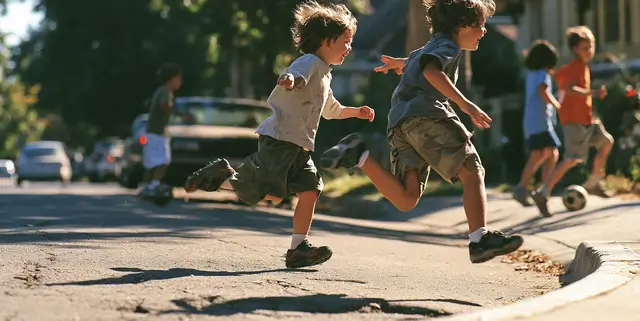
There is something instantly familiar about the sound of children playing outside: a burst of laughter, the thud of a ball, the shuffle of sneakers on pavement, the squeal that comes when a game turns into a chase. It is lively, a little chaotic, and wonderfully ordinary. But behind all that energy, outdoor play is doing a lot of important work. It helps children grow stronger, think more clearly, and build the kind of confidence that sticks with them long after they come back inside for dinner.
For many families, outdoor play is also one of the simplest pleasures in daily life. It does not need a fancy setup or expensive equipment. A sidewalk, a park, a backyard, a patch of grass, or even a schoolyard can become a place where children run, invent games, test limits, and learn how to be part of a group. And while adults may mostly see the fun, children are often developing both body and mind in every jump, climb, throw, and turn.
Moving the Body, Growing the Body
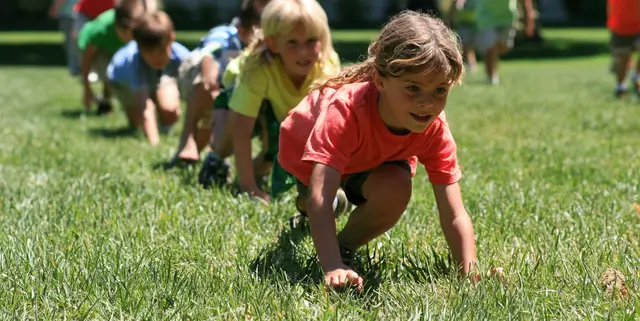
One of the most obvious benefits of outdoor play is physical movement. Children are built to move, and outside they tend to move in ways that feel natural and exciting. Running after a friend, climbing a tree, balancing on a curb, kicking a ball, or jumping over cracks in the pavement all help develop strength and coordination.
These activities work more than one part of the body at once. Legs get stronger from running and jumping. Arms and shoulders get used during climbing or throwing. Core muscles help with balance and control. Even simple games like tag or hopscotch ask children to start, stop, turn, and dodge, which builds agility without it feeling like exercise in the usual sense.
There is also a big difference between moving indoors and moving outdoors. Outside, children usually have more room to stretch out, sprint, and explore. They may walk farther, play longer, and take on physical challenges they would not try in a smaller space. That extra room can encourage them to move in more varied ways, which helps support overall fitness and coordination.
Fresh air and sunlight can be part of the picture too. While children should always be protected from too much sun, a bit of outdoor time can help them get the natural light they need and simply feel more awake and energized. Many parents notice that after a good run around outside, children seem calmer, more settled, and even better able to sit still later on.
Confidence Grows Through Small Risks
Outdoor play often gives children a chance to take on small, manageable risks. That might mean climbing one rung higher on a play structure, riding a bike without training wheels, or jumping from a low wall. These moments can look minor from an adult point of view, but for a child they can be huge.
When children test what they can do and succeed, they build confidence in a very real way. They begin to trust their bodies. They learn that effort matters. They discover that a challenge can be scary at first and still turn out fine. That feeling of “I did it” can carry into school, friendships, and other parts of life.
It is not really about being fearless. It is about learning how to feel nervous and keep going anyway. Outdoor play gives children a safe place to practice that skill. A little wobble on a balance beam or a tough climb up a hill becomes a lesson in persistence. And because children are often playing with friends, they get to celebrate one another’s wins too, which makes the experience even more powerful.
The Mind Gets a Workout Too
Outdoor play is not only about muscles and movement. It is also a workout for the brain. When children play outside, they are constantly making choices, solving problems, and adjusting to what is happening around them. Should they chase the ball or defend the goal? How can they get from one side of the playground to the other without touching the ground? What rule should they invent next?
These little decisions help children think creatively and stay flexible. Outdoor play often has fewer fixed rules than organized classroom tasks, which gives children room to use imagination. A stick can become a sword, a wand, a fishing rod, or a conductor’s baton. A pile of leaves can become a mountain, a nest, or a hiding place. This kind of play encourages children to make ideas happen, not just follow directions.
There is also the simple challenge of paying attention to a changing environment. Outside, children have to notice uneven ground, moving people, weather, sounds, and other surprises. That keeps their minds alert in a different way than indoor screen time often does. They are learning to focus, react, and adapt all at once.
Social Skills Take Shape in the Playground
Ask almost any adult about childhood memories, and the playground will probably show up somewhere in the story. That is because outdoor play is often where children first practice the messy, important work of getting along with others. Games outside create space for sharing, negotiating, taking turns, and sometimes arguing before making up again.
Not every game goes smoothly. Someone wants to change the rules. Someone else says it is not fair. A child gets left out and has to figure out how to join in. These moments can be frustrating, but they are also valuable. Children learn that relationships involve give and take. They learn how to speak up, listen, compromise, and recover after disappointment.
Free play outdoors can be especially useful here because adults are not always directing every move. Children get to sort things out themselves more often, and that helps them develop independence. They learn how to join a game, how to keep it going, and how to handle conflict when it pops up. Those are not just playground skills. They are life skills.
And of course, outdoor play can be joyful in a social way that is hard to duplicate elsewhere. A group game of chase, a shared bike ride, or a neighborhood soccer match can create a sense of belonging. Children often remember not just the activity itself, but the feeling of being part of something fun with others.
Nature Adds a Different Kind of Richness
When outdoor play happens in natural settings, the benefits can feel even broader. A park, garden, beach, trail, or forest gives children a different kind of experience than a paved playground. Nature invites curiosity. A child may stop to watch ants on a sidewalk crack, collect interesting leaves, or listen for birds in the trees. These moments may seem small, but they help children slow down and pay attention.
Natural spaces also give play a more open-ended quality. A log can become a bridge. A hill can become a race track. A puddle can be something to avoid, jump in, or measure. Children tend to be wonderfully creative when the environment gives them enough room to wonder.
Being in nature can also be soothing. Many people notice that time outdoors, especially in green spaces, helps reduce stress and create a sense of calm. Children are no exception. After a busy day or a crowded schedule, a bit of time outside can help them reset. They may come back more grounded and better able to handle the rest of the day.
Outdoor Play Supports Better Habits
Children who spend time outside regularly are often building healthy habits without even thinking about it. Movement becomes normal. Fresh air becomes part of the routine. Curiosity and activity become something to look forward to rather than something to avoid.
That matters because habits formed early can last a long time. A child who learns to enjoy walking, biking, climbing, or playing ball is more likely to see movement as something positive later on. It is easier to stay active as a teenager or adult when being active has always felt like fun instead of a chore.
Outdoor play can also support sleep, mood, and general daily rhythm. After active time outside, many children are hungrier at mealtimes, more relaxed in the evening, and more ready for rest. Parents often describe outdoor play as a kind of natural reset button. It uses up some of the extra energy that builds up during the day while giving children a healthy outlet for it.
Easy Ways Families Can Make Room for It
The good news is that outdoor play does not have to be complicated to matter. Even a short amount of time outside can help. Families do not need to plan a major outing every day to give children the benefits of fresh air and movement.
- Make outdoor time part of the routine. A walk after school, time in the yard before dinner, or a stop at the park on weekends can make a big difference.
- Keep simple equipment handy. Balls, jump ropes, chalk, and bikes can open the door to lots of play.
- Let children lead sometimes. When kids get to choose the game, they often stay engaged longer and use more imagination.
- Welcome messy play. Dirt, grass stains, and wet shoes are often signs that children were busy doing something worthwhile.
- Join in when you can. Adults do not have to dominate the game. Sometimes the best part is simply being present, cheering, tossing a ball, or taking a walk together.
It is also worth remembering that outdoor play does not have to be perfect to be valuable. A short burst of activity is still helpful. A quick game of catch in a small space still counts. A child who spends twenty minutes running around with a neighbor is getting much more than exercise; they are getting movement, connection, and a chance to feel free.
Why It Matters More Than Ever
In a world filled with screens, schedules, and indoor entertainment, outdoor play can sometimes get squeezed out. That is a shame, because children need the kind of experiences that cannot be downloaded. They need to feel wind on their faces, learn how to navigate a rough patch of ground, laugh with friends in open space, and discover that their bodies are capable of more than they thought.
Outdoor play gives children a chance to be active in a way that feels like living, not just exercising. It helps them grow stronger, but it also helps them become braver, more creative, and more connected to others. It is one of those simple childhood pleasures that looks like fun on the surface and turns out to be doing a great deal underneath.
For parents, caregivers, and anyone who spends time with children, the message is encouraging: making space for outdoor play does not require perfection. It just requires a little time, a little openness, and a willingness to let kids get a bit noisy, a bit muddy, and happily absorbed in the world around them. In return, they get something invaluable: a stronger body, a sharper mind, and memories shaped by movement, laughter, and fresh air.