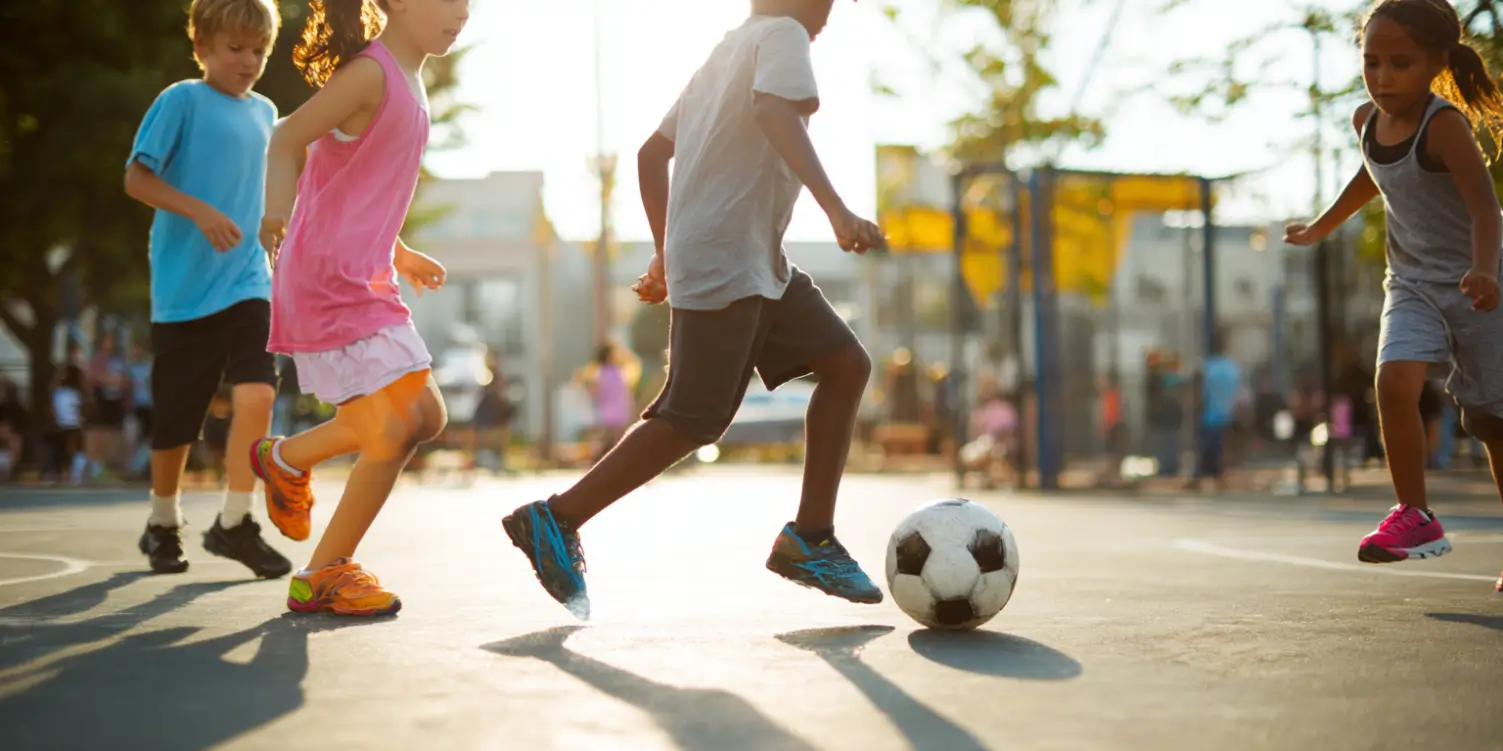
In recent years, American cities have been witnessing a burgeoning interest in youth sports programs as a proactive means to promote physical activity among children. With rising concerns about sedentary lifestyles and childhood obesity, city municipalities have come to recognize the role sports can play in fostering healthy habits. Emphasizing both the physical and mental benefits, cities across the country are investing in comprehensive sports programs offering children diverse opportunities to engage in physical activities.
Diverse Offerings to Suit Every Child
Today’s youth sports programs are not limited to traditional sports like baseball and soccer. Cities understand the need for diversity to capture the interest of all children. Whether it’s the allure of martial arts, the creativity of gymnastics, the team spirit of basketball, or the focus of track and field, there is something for everyone. This broad spectrum ensures that children of varying interests and abilities have access to options they find enjoyable and stimulating, increasing participation rates.
Community Involvement and Support
Integral to the success of these programs is the involvement of the community. From local businesses sponsoring youth teams to parents volunteering as coaches, the community’s role cannot be overstated. Cities often provide venues like city parks and recreational facilities, supported by local businesses that might supply uniforms or gear. Such community engagement creates a support system that helps sustain and promote expansion of youth sports endeavors.
Affordable Access and Scholarships
A paramount concern for many families is the cost associated with youth sports participation. Recognizing this, several cities have implemented affordable access initiatives or partnered with nonprofit organizations to provide scholarships. These programs aim to eliminate financial barriers, ensuring that all children, regardless of their socioeconomic backgrounds, have the chance to enjoy the benefits of sports.
Benefits Beyond Physical Health
While the physical benefits of youth sports are well-documented, cities are increasingly highlighting the additional advantages these programs offer. Participation in sports helps children develop essential life skills such as teamwork, leadership, discipline, and time management. Moreover, sports offer an avenue for children to build social connections, thereby enhancing their social and emotional development. It’s not unusual for children who engage actively in sports to exhibit improved academic performance, owing to the discipline and focus they cultivate through their athletic endeavors.
Technological Integration in Coaching
Innovation has increasingly found its way into youth sports, with many programs incorporating technology into their coaching methods. Virtual reality drills, data-driven performance analysis, and online coaching platforms have emerged as tools to enhance training techniques. These technologies cater to the modern tech-savvy generation of children, making sports more engaging and accessible. Additionally, apps that provide feedback and track progress contribute to personalized coaching experiences, helping kids measure their improvement and set realistic, achievable goals.
Breaking Down Barriers: Inclusivity in Sports
Another significant trend is the focus on inclusivity, ensuring that youth sports programs are welcoming to children with disabilities. Adaptive sports programs and facilities designed to meet diverse needs are increasingly common. This inclusivity ensures that every child has the opportunity to experience the joys and benefits of sports, fostering an environment of equality and acceptance.