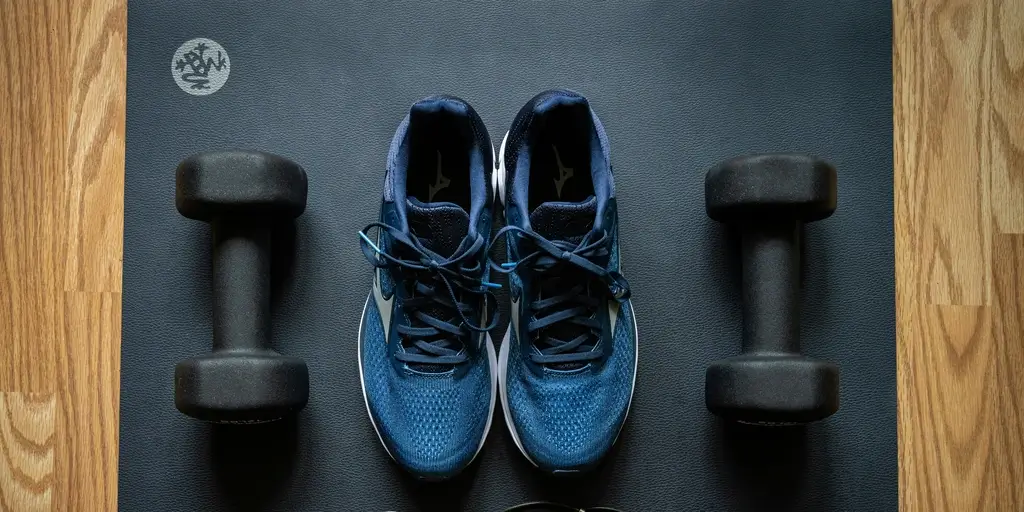
Consistency and discipline might be the cornerstones of a successful workout regimen, but what’s equally crucial is knowing when to pause. Taking breaks between workouts is not only vital for your physical health but also for your mental well-being.
Physical Recovery and Muscle Repair
When you engage in a workout, especially one that is intense, your muscles undergo stress and microtrauma. This is a natural part of muscle building, as these tiny tears repair and help build stronger muscle fibers. However, without adequate rest, your muscles can’t repair efficiently, leading to overtraining and even injury. Rest days allow for growth and recovery, facilitating a better performance the next time you hit the gym.
Prevention of Injury
Constantly pushing your body without adequate rest increases your risk of injuries like sprains, strains, and stress fractures. These injuries can sideline you for weeks or months, far longer than if you had taken proactive breaks to protect your body.
Mental Health Boost
It’s important to recognize the mental strain of intense workout regimens. Overtraining can lead to burnout, decreased motivation, and a negative attitude towards exercise. Allowing yourself time to rest can help rejuvenate your mental state, keeping you enthusiastic and positive about your fitness journey.
Improved Performance and Results
Contrary to popular belief, more isn’t always better when it comes to exercise. Your performance can significantly improve when you factor in proper rest. This is because your body has adequate time to rebuild and strengthen, leading to enhanced endurance and strength in subsequent workouts.
The Role of Sleep
Sleep plays an integral role in your fitness recovery process. During deep sleep, your body releases growth hormones that aid in muscle recovery and repair. Ensuring you get sufficient quality sleep can amplify your recovery process, making those rest days even more productive.
Tailoring Rest to Your Routine
Rest needs can vary significantly between individuals, depending on factors such as workout intensity, age, diet, and overall health. Generally, incorporating one to two rest days a week can help maintain an optimal balance, but listening to your body is paramount. If you’re consistently feeling exhausted, it may be time to reassess your schedule.
- Active Recovery Days: These involve low-intensity activities like walking, yoga, or swimming that can keep you moving without over-exerting yourself.
- Complete Rest Days: These are just as important, allowing full rest and recuperation for both body and mind.
Emphasizing rest is not about being inactive but about finding balance. By respecting your body’s need for recovery, you ensure that your healthy lifestyle is sustainable and that your body is both fit and resilient.