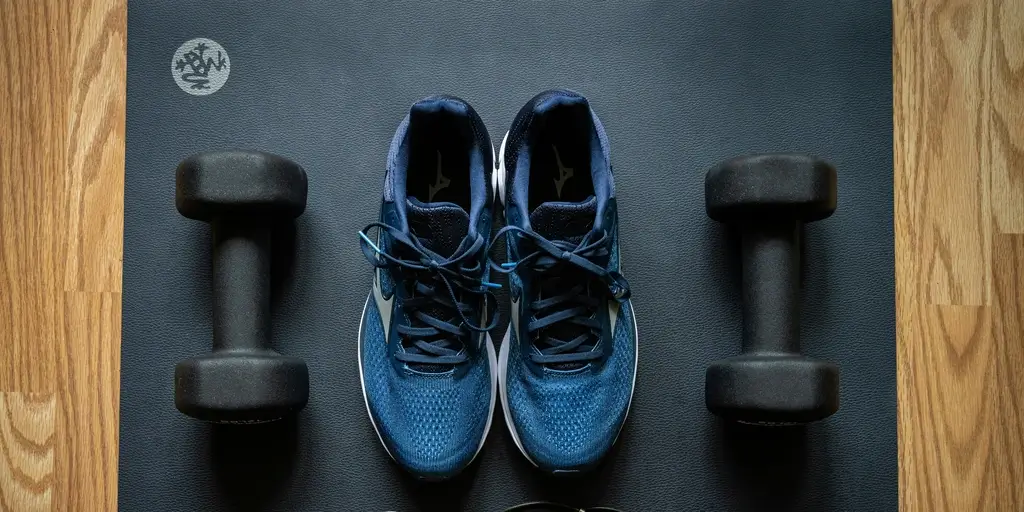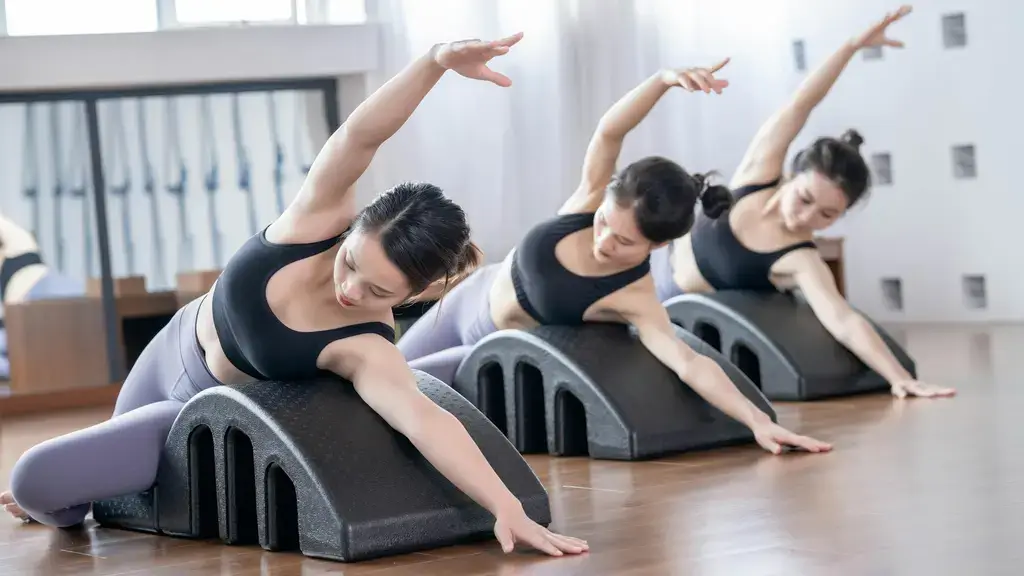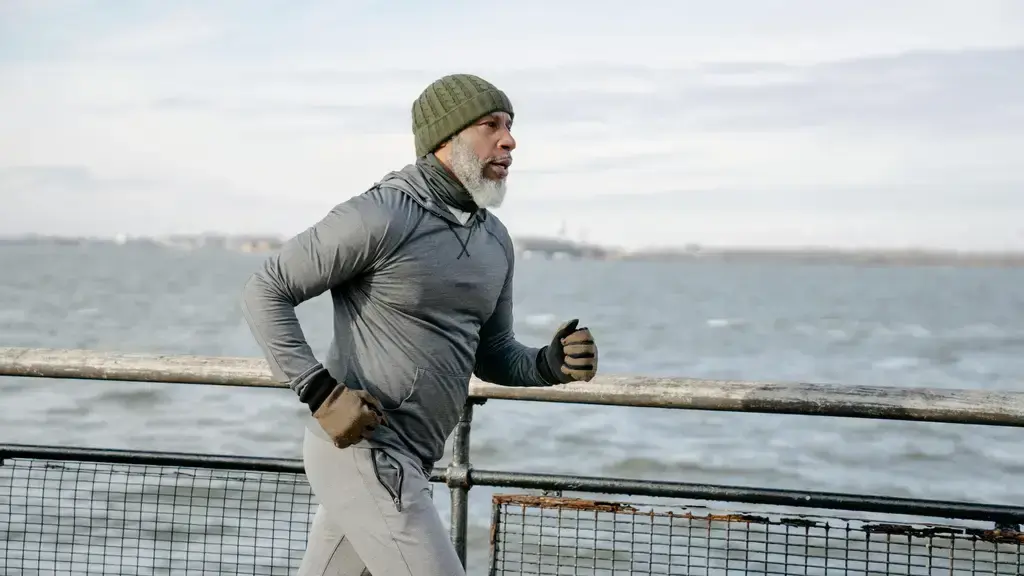
Aging is a natural process that comes with numerous physical changes. Among these changes, the loss of muscular strength and mass is quite common, leading to a decrease in overall physical capability and independence. However, it doesn’t have to be this way. Regular strength training can help maintain and even improve muscle strength as we age, ensuring we enjoy an active, vibrant lifestyle.
Understanding Muscle Loss
Muscle loss, or sarcopenia, is an age-related condition that can begin as early as our 30s. Without intervention, adults can lose about 3%-5% of their muscle mass per decade. While this seems alarming, incorporating regular strength training exercises can counteract these effects. The benefits extend beyond muscle strength—improving bone density, balance, and mental health.
Starting Your Strength Training Journey
Many might feel intimidated by the idea of starting a strength training regimen, especially in later years. However, the exercises don’t have to be intense or time-consuming to be effective. Here, we outline simple exercises to integrate into your weekly routine, which are both effective and suitable for all fitness levels.
1. **Bodyweight Squats**
The squat is a fundamental exercise that targets the lower body, particularly the quadriceps, hamstrings, and glutes.
- Stand with your feet shoulder-width apart, toes slightly turned out.
- Lower your body as if sitting back into a chair, keeping your chest up and knees behind your toes.
- Go as low as you comfortably can, then push through your heels to stand back up.
- Perform 2-3 sets of 10-15 repetitions.
2. **Push-Ups**
Push-ups are excellent for improving upper body strength, targeting the chest, shoulders, and triceps.
- Start in a plank position, hands shoulder-width apart.
- Lower your body until your chest is just above the ground, keeping your elbows at a 45-degree angle.
- Push back up to the starting position.
- If full push-ups are challenging, start with knee push-ups.
- Aim for 2-3 sets of 8-12 repetitions.
3. **Planks**
Planks are core stabilization exercises that engage multiple muscle groups, including the abs, back, and shoulders.
- Begin in a forearm plank position on the ground, ensuring your body is a straight line from head to heels.
- Engage your core, avoid sagging hips, and hold the position.
- Start with 20-30 seconds and gradually increase as you build strength.
- Complete 2-3 sets.
4. **Resistance Band Exercises**
Resistance bands are versatile and effective tools for strength training and are suitable for all fitness levels.
- Use bands to perform exercises like bicep curls, shoulder presses, and seated rows.
- Choose a band with appropriate resistance, aiming for 2-3 sets of 12-15 repetitions per exercise.
5. **Lunges**
Lunges improve balance and engage the entire lower body.
- Stand upright, take a step forward with one leg, lowering your hips until both knees are bent at about a 90-degree angle.
- Return to standing, repeating on the opposite side.
- Ensure your front knee doesn’t extend beyond your toes.
- Perform 2-3 sets of 10-12 repetitions per leg.
Safety Tips and Considerations
While strength training is beneficial, safety should always be a priority. Begin with exercises that match your current fitness level, and progress gradually. Listen to your body—if something feels wrong or causes pain, it’s important to stop and reassess.
Consider consulting with a fitness coach or physical therapist to ensure correct form and technique, especially if you have existing health conditions or concerns.
Incorporating Strength Training Into Your Routine
To maximize the benefits, aim to perform strength training exercises at least twice a week, alongside other activities like walking, swimming, or yoga. This holistic approach not only strengthens your muscles but also enhances your overall well-being, ensuring you remain agile and active throughout your golden years.