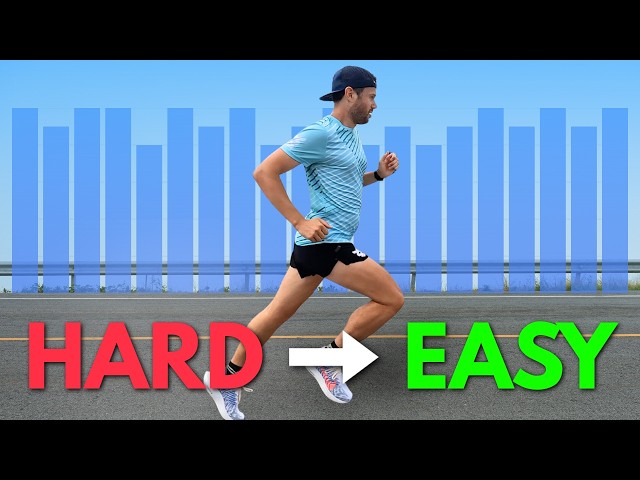
Mental strength is often underrated in comparison to physical strength, yet it is the driving force behind incredible athletic achievements. While physical prowess is essential, the mind is the master over the body, and cultivating mental resilience can propel athletes to new heights.
The Power of the Mind
There’s a reason why top athletes invest in mental training just as much as physical practice. The mind’s ability to focus, manage stress, maintain motivation, and persevere through challenges can make the difference between winning and losing. Mental strength encompasses elements such as grit, determination, emotional stability, and the ability to stay calm under pressure.
The Role of Grit
Angela Duckworth, in her renowned work on grit, defines it as passion and perseverance for long-term goals. Athletes who possess grit are not easily swayed by setbacks. They understand that every failure is a stepping stone to success. This mental fortitude is what differentiates a good athlete from an extraordinary one.
- Consistency: Gritty athletes show up consistently, putting in the hours of practice even when it’s tough or tedious.
- Resilience: They bounce back from setbacks stronger, learning from mistakes rather than being defeated by them.
- Sustained Motivation: Their inner drive keeps them motivated over the long haul, which is critical for achieving long-term success.
Managing Stress
High-pressure situations are an inevitable part of sports. It’s how athletes handle these pressures that often determines outcomes. Mental strength provides athletes with the tools to manage anxiety and stress through techniques such as visualization, deep breathing, and affirmations.
Visualization involves imagining success and mentally rehearsing how to execute skills effectively. Deep breathing is a simple yet powerful tool to calm nerves and improve focus, while positive affirmations help in building self-belief and confidence.
Maintaining Focus
Attention is the currency of the mind. In any sport, maintaining focus amidst distractions is vital. Mental toughness allows athletes to hone in on their performances and block out irrelevant stimuli. Techniques such as mindfulness and meditation are increasingly popular, helping athletes to stay in the moment and optimize their performance.
Emotional Stability
An athlete’s emotional state can significantly impact their performance. Mental strength provides the ability to control emotions and maintain composure instead of allowing excitement or frustration to cloud judgment. This emotional regulation helps maintain performance consistency.
Developing Mental Strength
While some people may naturally possess strong mental attributes, these can also be developed through diligent practice. Coaches are increasingly focusing on mental skills training alongside physical regimes. Athletes can work with sports psychologists or engage in self-directed exercises designed to enhance mental acuity.
To bolster mental resilience, athletes should:
- Establish clear, realistic goals.
- Practice positive self-talk regularly.
- Engage in reflection and learning from past performances.
- Adopt relaxation techniques such as yoga or tai-chi.
The Verdict
Ultimately, mental strength can amplify one’s physical abilities. The finest athletes know that physical preparation must be complemented by mental fortitude. It is the combination of a sound mind and a strong body that enables them to reach their full potential. So, whether you’re an amateur or a seasoned athlete, investing in your mental strength is crucial for your sports endeavors.