In 2026, social media – once a platform for mere connection and entertainment – has evolved into a dominant force shaping the fitness motivation landscape globally. With an increase in the number of users sharing their fitness journeys, accomplishments, and setbacks, social media platforms have redefined how individuals approach their health and fitness goals.
The Rise of Digital Fitness Communities
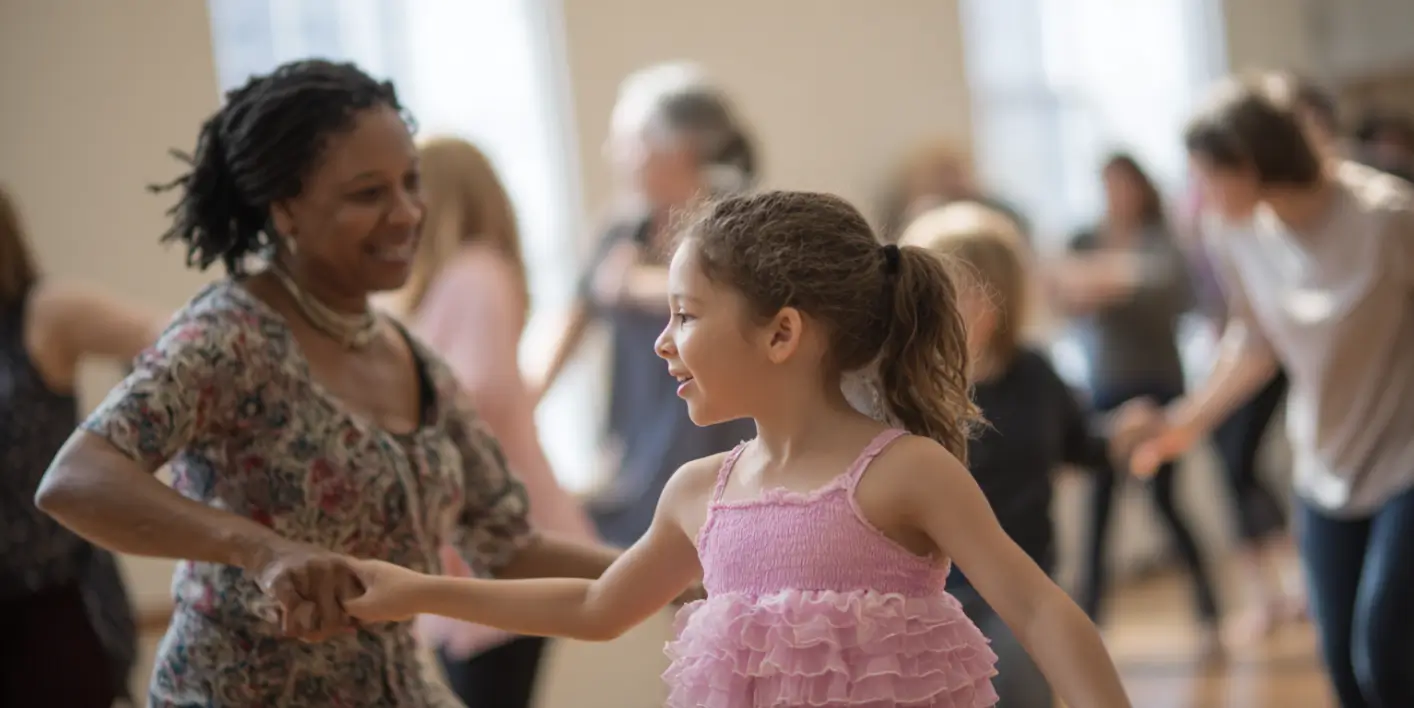
One of the most noticeable changes in recent years is the rise of digital fitness communities. Platforms such as Instagram, TikTok, and even emerging ones like FitShare have become virtual meeting places for fitness enthusiasts. In these spaces, users not only follow influencers but also establish communities based on shared goals, challenges, and even dietary preferences. By fostering a sense of belonging and offering constant moral support, these communities motivate individuals to push their limits. Moreover, community challenges – such as month-long workout streaks or virtual marathons – have gained popularity, encouraging users to engage more actively with their fitness routines.
Influencers as Modern Motivators
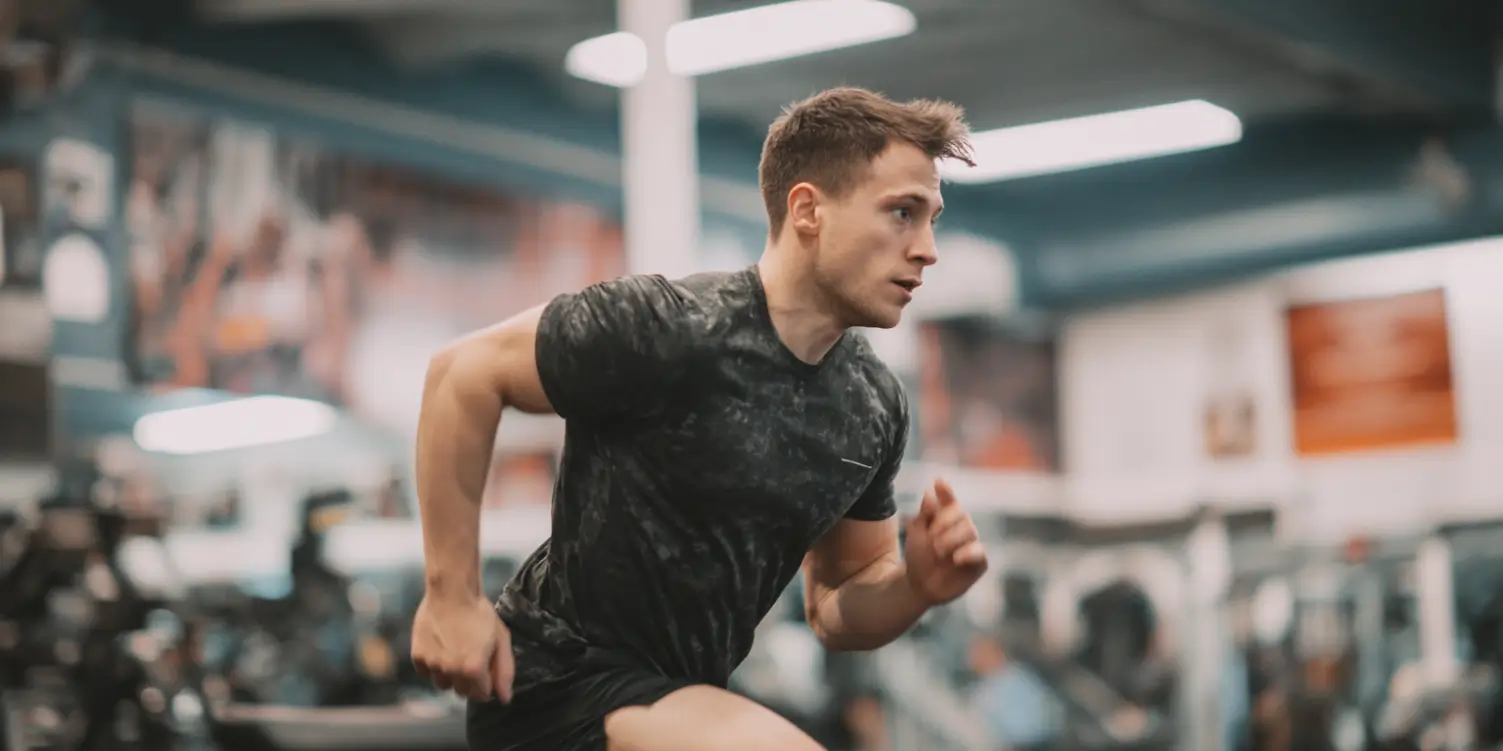
The role of fitness influencers has become crucial in shaping fitness behaviors. These are the individuals who, through their compelling content, offer followers glimpses into their daily workouts, meal plans, and wellness tips. In 2026, influencers are not just posting workout videos; they are crafting detailed series and interactive sessions that people can follow in real-time. The authenticity of their stories often inspires followers – if they can do it, why not me?
Influencers have also expanded their reach beyond traditional exercises, exploring new fitness trends such as virtual reality workouts and AI-personalized training routines. This engagement keeps followers motivated and curious about what’s next in their fitness journey.
Gamification: The Game Changer
Another significant trend in 2026 is the increased gamification of fitness experiences through social media. Platforms are now integrating features that turn workouts into engaging challenges with points, leaderboards, and reward systems. Apps that collaborate with social media allow users to share their scores and challenge their friends, tapping into the natural competitiveness that fosters motivation. In this gamified environment, even those who are traditionally less inclined towards fitness find themselves actively participating and deriving enjoyment from the process.
The Impact of Visualization and Progress Tracking
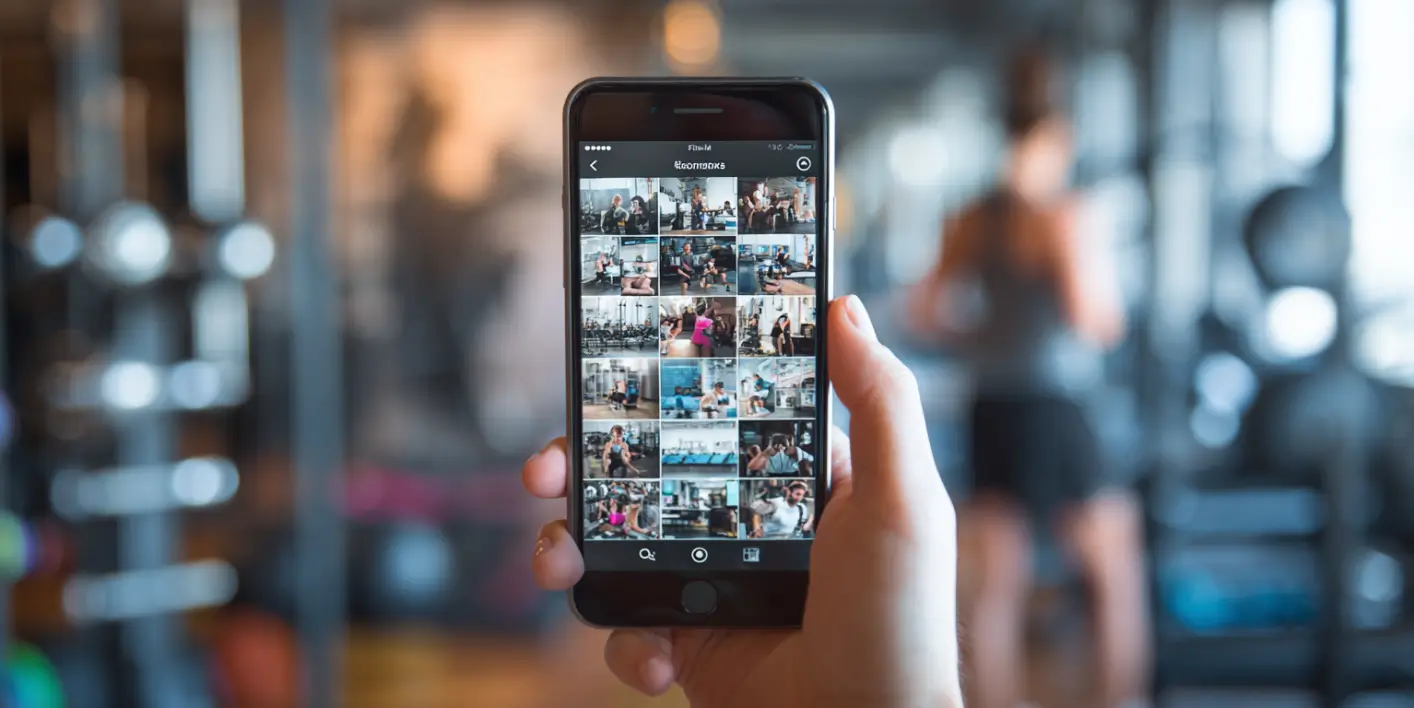
Social media’s capacity for photo and video sharing has seen individuals increasingly using these platforms as digital diaries to track their progress visually. Whether it’s recording a video of personal records such as a deadlift or sharing transformative before-and-after photos, these visual cues offer powerful motivation. The feedback – be it likes, comments, or shares – provides a psychological boost, reaffirming one’s efforts and dedication.
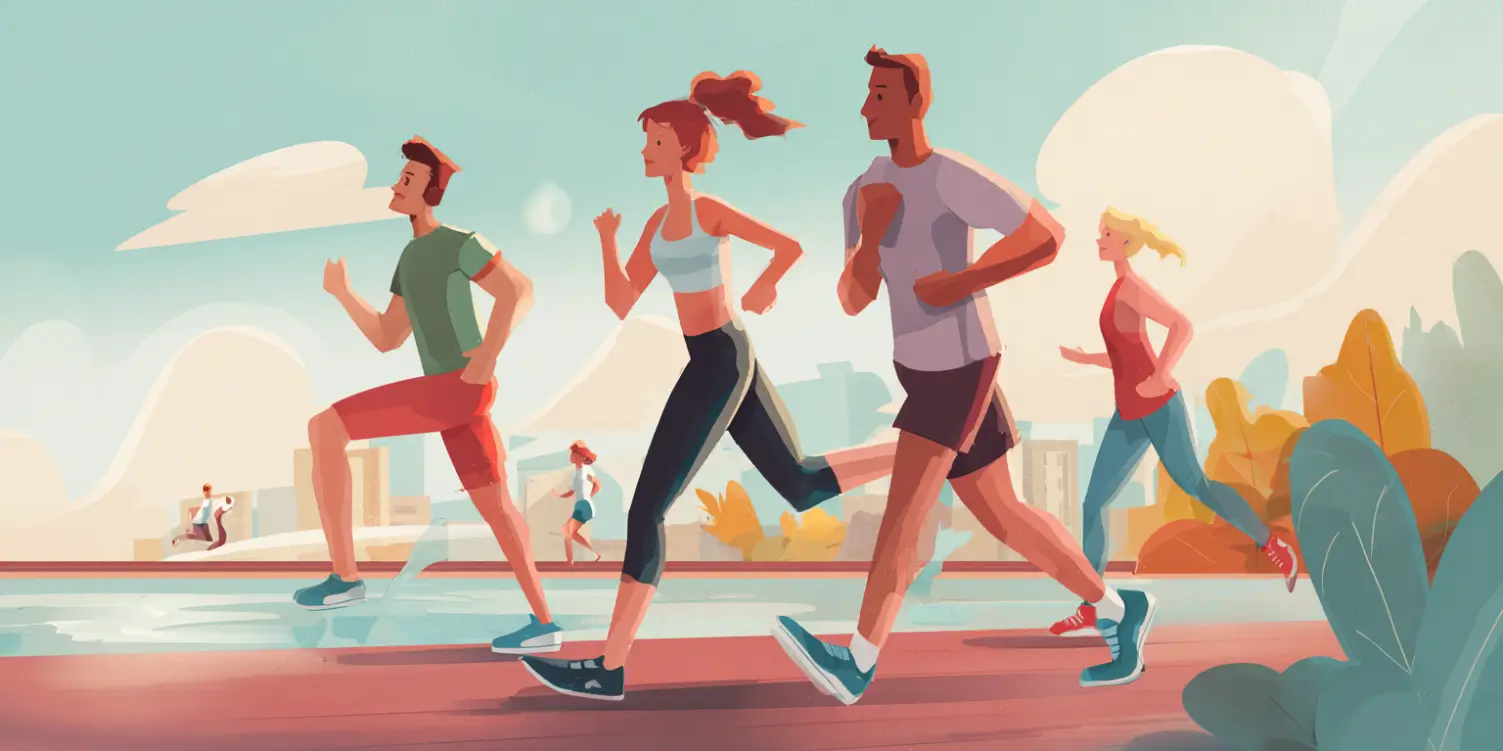
Additionally, real-time analytics offered by fitness tech devices, when shared on social media, have become a game-changer. Users can display their running routes, calories burned, and even heart rate metrics, spurring not only personal insight but community encouragement and tips for improvement.
Combating the Negatives
Despite the positives, there are inherent downsides to consider. Constant exposure to idealized body images and lifestyles can lead to negative self-image and health behaviors. In response to this, 2026 has seen increased dialogues around body positivity and mental health, with many influencers promoting a message of self-love and balance over sheer aesthetics. Social media platforms have also introduced features to minimize negative impacts, such as content filters and supportive messaging.
Further, the responsibility falls upon both creators and consumers to ensure the information shared and consumed promotes healthy and sustainable practices. By fostering a culture of inclusion and reality, the social media realm can remain a positive influence on fitness motivation.
In conclusion, while social media in 2026 undoubtedly wields significant power over individual fitness motivation, it remains a tool – one that, when used judiciously and positively, catalyzes a healthier, more active lifestyle for millions worldwide.