In a world increasingly dominated by screens and structured schedules, the importance of play for children is crucial and cannot be overstated. Play is a natural part of childhood and serves as a catalyst for growth, exploration, and learning. From boosting physical strength to fostering social skills, children grow stronger in numerous ways through the simple act of playing.
Physical Benefits of Active Play
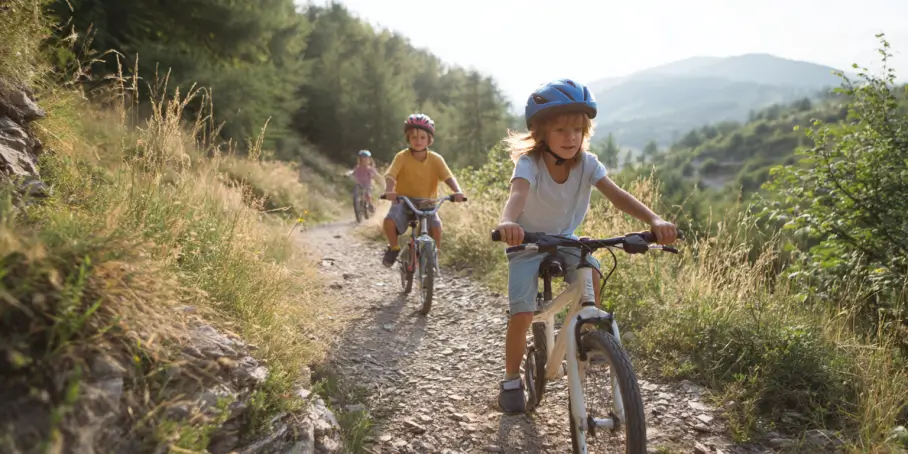
Active play encompasses activities where children run, jump, climb, or engage in sports. These movements are fundamental for developing gross motor skills, coordination, and balance. When children play tag or hop on a playground, they are unknowingly engaging in cardiovascular activities that can improve heart health and build muscular strength.
Bone Health: During active play, specifically activities like jumping or skipping, the repetitive application of pressure on their bones stimulates bone density growth. Healthy bone development at a young age can have lifelong benefits.
Physical Endurance: Through consistent physical activities, children naturally build stamina and endurance. Whether it’s scaling a little rock wall or participating in a friendly soccer match, these activities enhance their physical capacity.
Encouraging Creativity and Imagination
Play is not just about physical exertion; it’s a creative process. Through imaginative play, children can create worlds of their own. They might pretend to be pirates on a treasure hunt or astronauts on a space mission. Such activities require them to think abstractly, solving problems and finding creative solutions.
The freedom that comes with imaginative play allows children to express themselves, experiment, and learn from their experiences. This process is instrumental in developing cognitive flexibility and innovative thinking.
Social and Emotional Growth Through Play
While playing together, children learn to negotiate, share, and mediate. These interactions are crucial for developing social skills. In group play, they encounter situations where they might need to compromise, take turns, or collectively solve a problem, fostering empathy and understanding.
Emotional Resilience: Play often involves dealing with setbacks, whether it’s coping with a losing team or a tower of blocks collapsing. This teaches children how to handle disappointment and builds emotional resilience.
Building Confidence: Trying new activities and experiencing small achievements in play, like climbing to the top of a jungle gym, boosts self-esteem and self-belief.
The Role of Adults in Facilitating Play
While free play is essential, the role of adults in facilitating a playful environment cannot be overlooked. Providing safe spaces and the right materials, like balls, jump ropes, or art supplies, can enhance the quality of play. Adults can also model positive behavior, encourage trying new activities, and ensure a rich variety of play opportunities.
It’s important to strike a balance between providing guidance and allowing the play to be child-led. Supporting a child’s interests and offering encouragement can help cultivate a lifelong love of physical activity and curiosity.
Overcoming Barriers to Play
Even with its clear benefits, barriers to play exist. Urban areas may lack safe play spaces, while rural areas might face issues like accessibility to recreational facilities. Additionally, the increasing pressure for academic success can limit time allocated for play.
Communities and policymakers can contribute by investing in recreational facilities, open parks, and creating programs that emphasize the importance of play in childhood development.
Embracing Play for a Brighter Future
Incorporating play into daily life is a simple yet profoundly effective way to ensure children develop healthy bodies, minds, and social skills. In a rapidly changing world, nurturing the natural inclination to play can provide children with the tools they need to grow into well-rounded, resilient adults. By encouraging a culture where play is valued, we lay the foundational stones for a brighter, healthier future for generations to come.