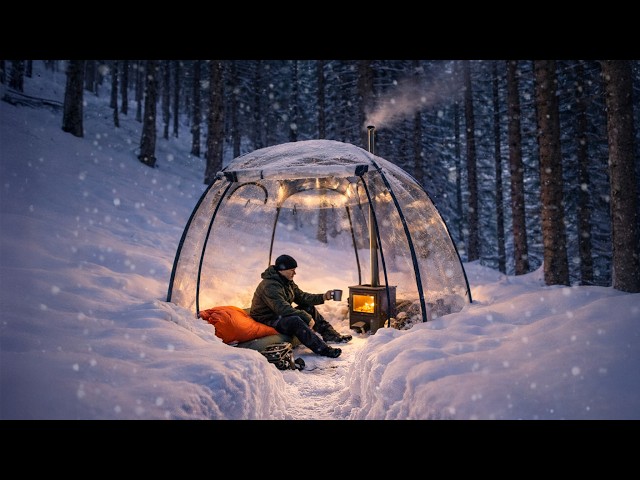
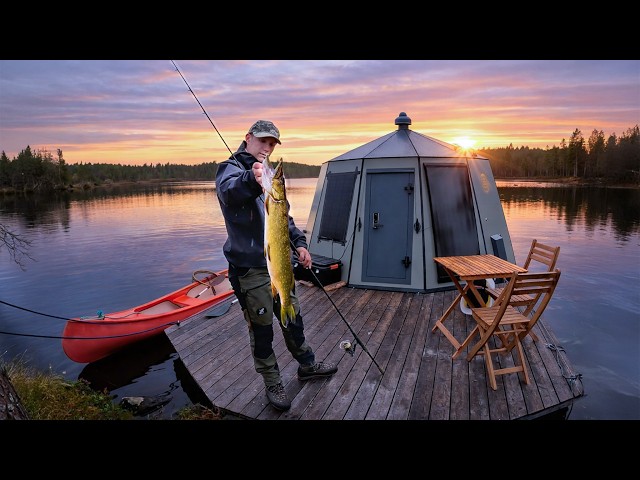
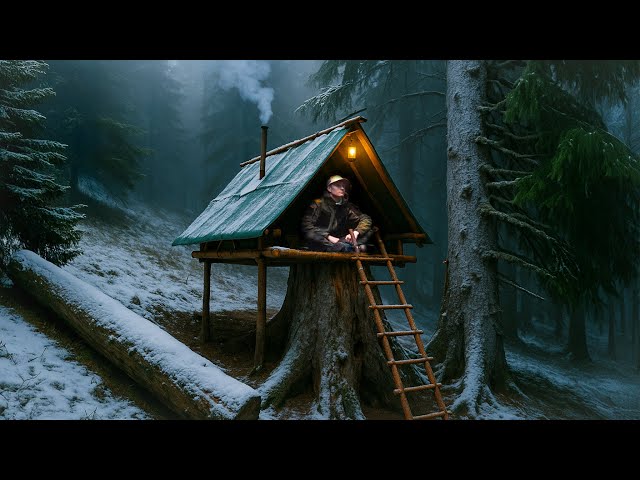
In recent years, there has been a notable shift in the activities of young people, with more kids than ever before getting actively involved in outdoor sports. This trend is not just a passing phase but is supported by numerous benefits that these nature-based activities provide.
The Rise of Outdoor Sports Among Kids
A range of factors contributes to the growing popularity of outdoor sports among children. Schools, communities, and parents are increasingly aware of the integral role these activities play in child development. As digital distractions like video games and social media dominate leisure time, there is a conscious push toward encouraging kids to spend more time outdoors. This has led to structured programs and initiatives designed to capitalize on the unmatched benefits of nature-based exercise.
Physical Health Benefits
Outdoor sports offer profound physical health benefits which are crucial during the formative years of a child’s development. Activities like hiking, cycling, and soccer can enhance cardiovascular fitness, increase strength, and improve flexibility. Being physically active from a young age instills healthy habits that are likely to last into adulthood.
Moreover, outdoor sports help curb the rising tide of childhood obesity. By promoting an active lifestyle, these activities combat sedentary habits. The variety of movements associated with different sports can also improve coordination and balance, enriching a child’s physical literacy.
Mental and Emotional Well-being
The benefits of nature-based activities extend well beyond physical health. Exposure to natural settings has been shown to substantially improve mental health. Nature provides a tranquil backdrop that can reduce stress, anxiety, and symptoms of ADHD. Additionally, participation in sports often boosts mood, leading to a more positive outlook and increased self-esteem.
Team sports, in particular, foster social interactions that can enhance communication skills and build friendships, providing a support system that contributes to emotional resilience. Through challenges and teamwork, kids learn essential life skills like leadership, cooperation, and perseverance.
Connection with Nature
Incorporating sports within natural environments also strengthens a child’s connection with the outdoors. Engaging with nature fosters a sense of environmental responsibility. Children who grow up appreciating the beauty of the countryside, forests, and parks are more likely to become advocates for conservation in the future.
This connection with the natural world encourages creativity and curiosity. Away from screens, children begin to explore and question the environment around them, which can enhance their educational experiences and instill a lifelong love of learning.
Parental and Community Involvement
The surge in outdoor sports participation is also facilitated by the active role of parents and community organizations. Many parents recognize the personal growth and educational value that outdoor activities provide and are providing their children with more opportunities to engage in them. Community groups, often bolstered by local businesses, work to create safe and accessible environments for these activities to thrive.
Programs that promote outdoor sports often require volunteer support, bringing adults and children together in a shared endeavor that strengthens community bonds. Parent-led initiatives further highlight the importance of modeling a love for outdoor activities.
Overcoming Barriers
While the benefits are numerous, certain challenges remain in making outdoor sports accessible to all children. Issues such as safety concerns, access to suitable spaces, and financial constraints can hinder participation. However, with thoughtful planning and community engagement, many of these barriers can be addressed. Local governments and schools increasingly allocate resources to make outdoor sports a viable option for every family, emphasizing the importance of inclusivity in these enriching activities.
As we embrace the holistic growth that outdoor sports foster, it is crucial to continue fostering environments where children can safely and economically enjoy nature-based activities, ensuring that these benefits are accessible to all.